
Cryptography's Role and Limits in Electronic Voting Systems
While cryptography can enhance ballot secrecy and verifiability in electronic voting, it cannot fully replace the security and trust of traditional paper ballots for general elections.
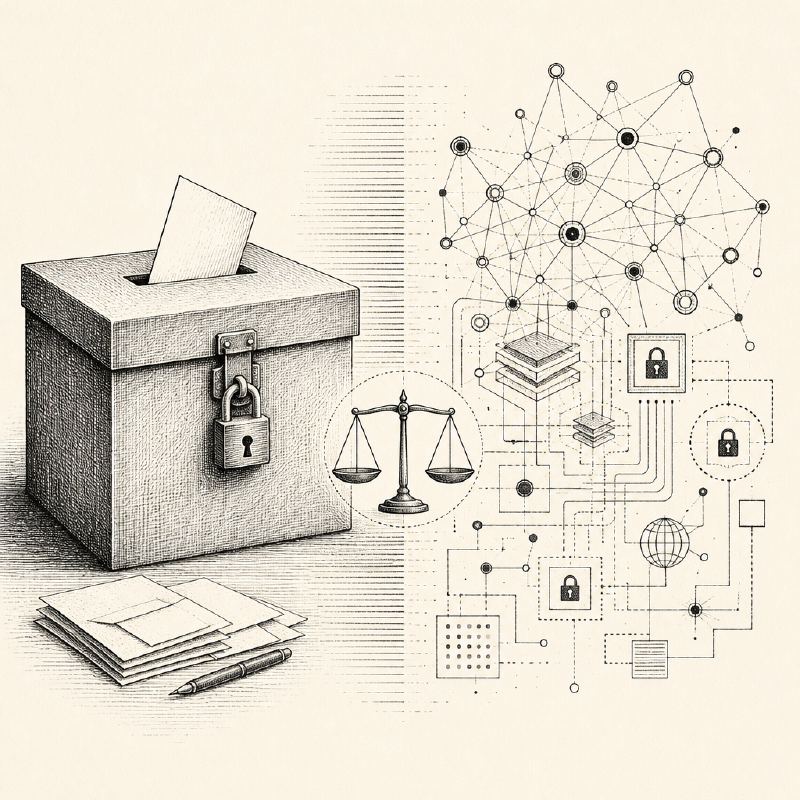
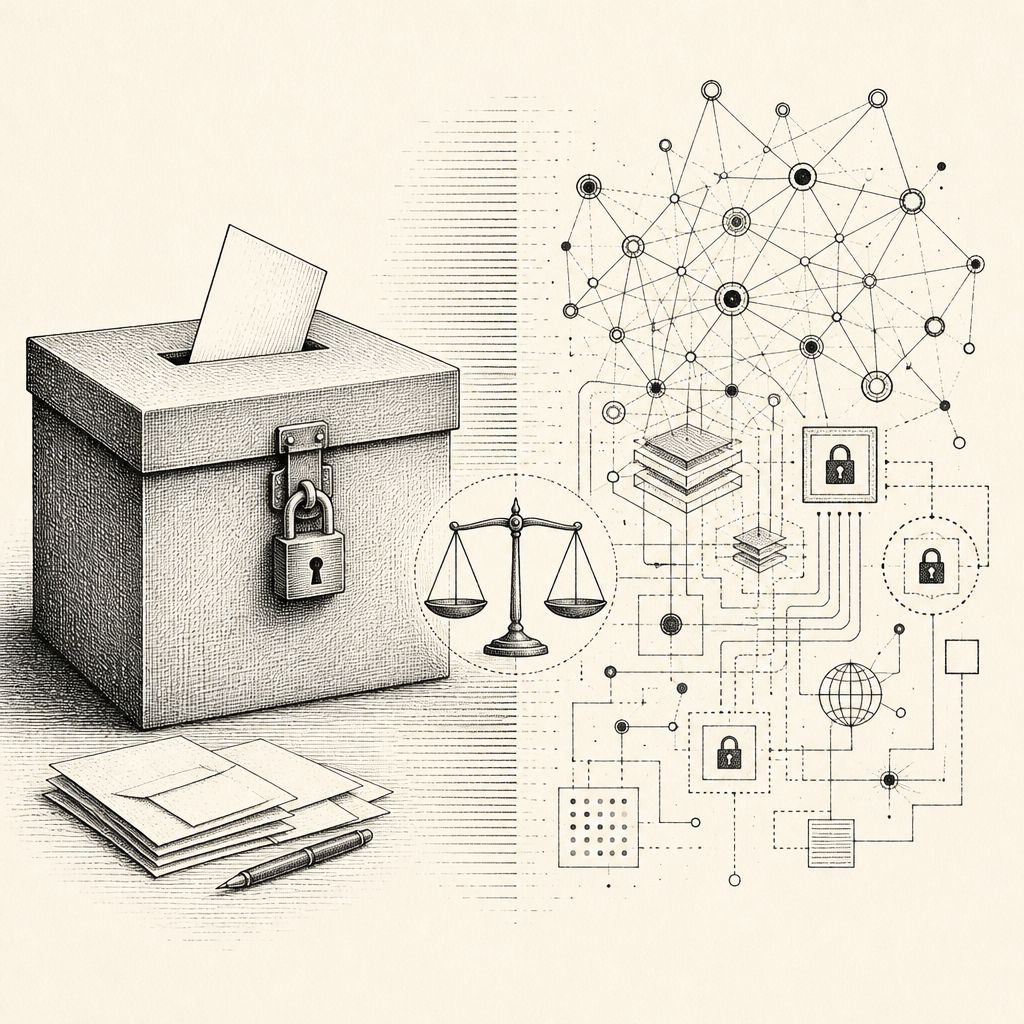
As millions of Americans cast their votes, the enduring reliance on paper ballots for general elections highlights a critical tension between technological advancement and fundamental security principles. Despite the widespread adoption of digital systems in finance and communication, elections largely remain paper-based due to the unique security demands of the democratic process. Cryptography offers powerful tools to bolster electronic voting, primarily by ensuring individual vote secrecy and enabling independent verification of the final tally. Systems like Helios and ElectionGuard exemplify this approach, aiming to secure the integrity of the voting process.
However, the challenges inherent in electronic voting are substantial. The National Academy of Sciences has cautioned against internet voting for general elections, citing the difficulty of guaranteeing secrecy, security, and verifiability for ballots transmitted online. Key requirements include maintaining voter privacy even under coercion, ensuring ballot integrity without relying on a voter's cryptographic identity, preventing duplicate votes without explicit voter association, and guaranteeing that the final result accurately reflects voter intent. These are complex problems that traditional paper systems address through physical security measures and established protocols.
Paper-based voting systems typically rely on physical safeguards: voters identify themselves to poll workers to prevent multiple votes, receive unmarked ballots to ensure privacy, and personally submit their ballots, observing the process to maintain integrity. While these methods are not immune to threats, large-scale compromise is prohibitively expensive, difficult, and detectable. The final tally verification, however, often requires trust in election officials, though post-election audits and chain-of-custody controls offer some assurance.
Cryptography can enhance the trustworthiness of paper-based systems through end-to-end verifiability, strengthening confidence in the tallying process. In contrast, electronic systems introduce a significant vulnerability: a single supply-chain or zero-day exploit could potentially compromise numerous voting machines across multiple jurisdictions, allowing a single actor to influence election outcomes undetected. This risk is far more constrained in paper systems due to independent physical records and security controls.
Beyond robust security controls, a crucial design principle for electronic voting is software independence—the ability to detect any failures or vulnerabilities in the voting software. This is typically achieved through auditable evidence, such as a paper trail, that can be verified independently of the software itself. Relying solely on software correctness is insufficient for high-stakes elections.
Examining specific systems, Helios is designed for low-stakes elections where coercion is not a primary concern, such as electing the board of the International Association for Cryptologic Research. ElectionGuard, on the other hand, is intended as a cryptographic layer to augment traditional voting infrastructure for public elections, rather than a complete replacement for paper-based systems. Both systems leverage cryptographic techniques to address the core challenges of secrecy and verifiability.
Ultimately, while cryptographic advancements offer promising solutions for enhancing electronic voting, they face significant hurdles in replicating the comprehensive security and public trust afforded by well-established paper ballot systems. The inherent complexities of digital security, supply chain risks, and the need for auditable, software-independent mechanisms mean that paper ballots will likely remain an essential component of general elections for the foreseeable future, providing a tangible and verifiable record of the democratic will.