
CrowdStrike Details VMware ESXi Shell Command Obfuscation Tactics
CrowdStrike has identified sophisticated techniques used by threat actors to obfuscate shell commands on VMware ESXi, enabling stealthy persistence and evasion in virtualized environments.
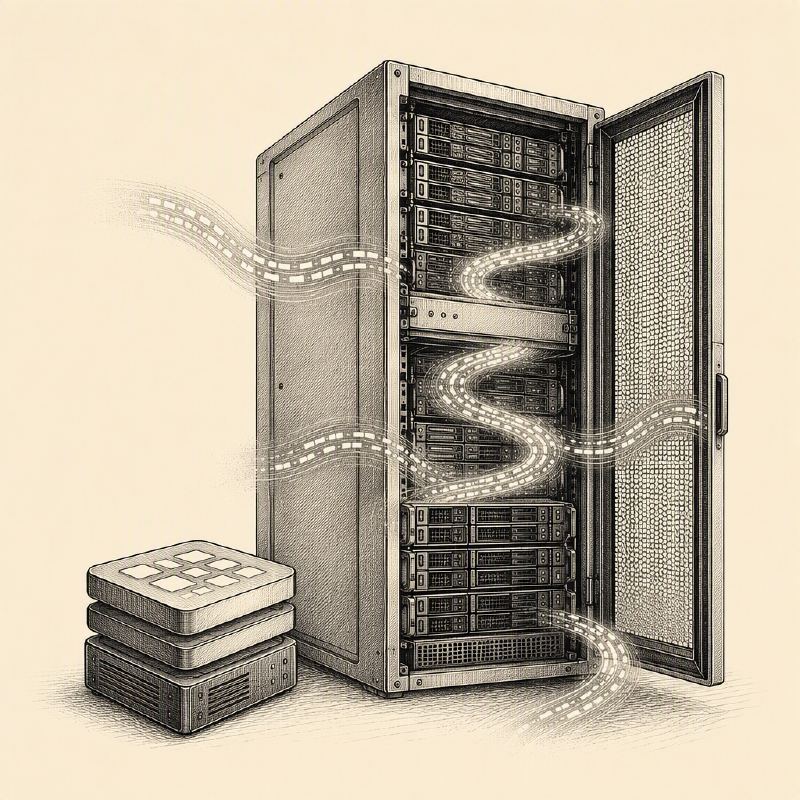
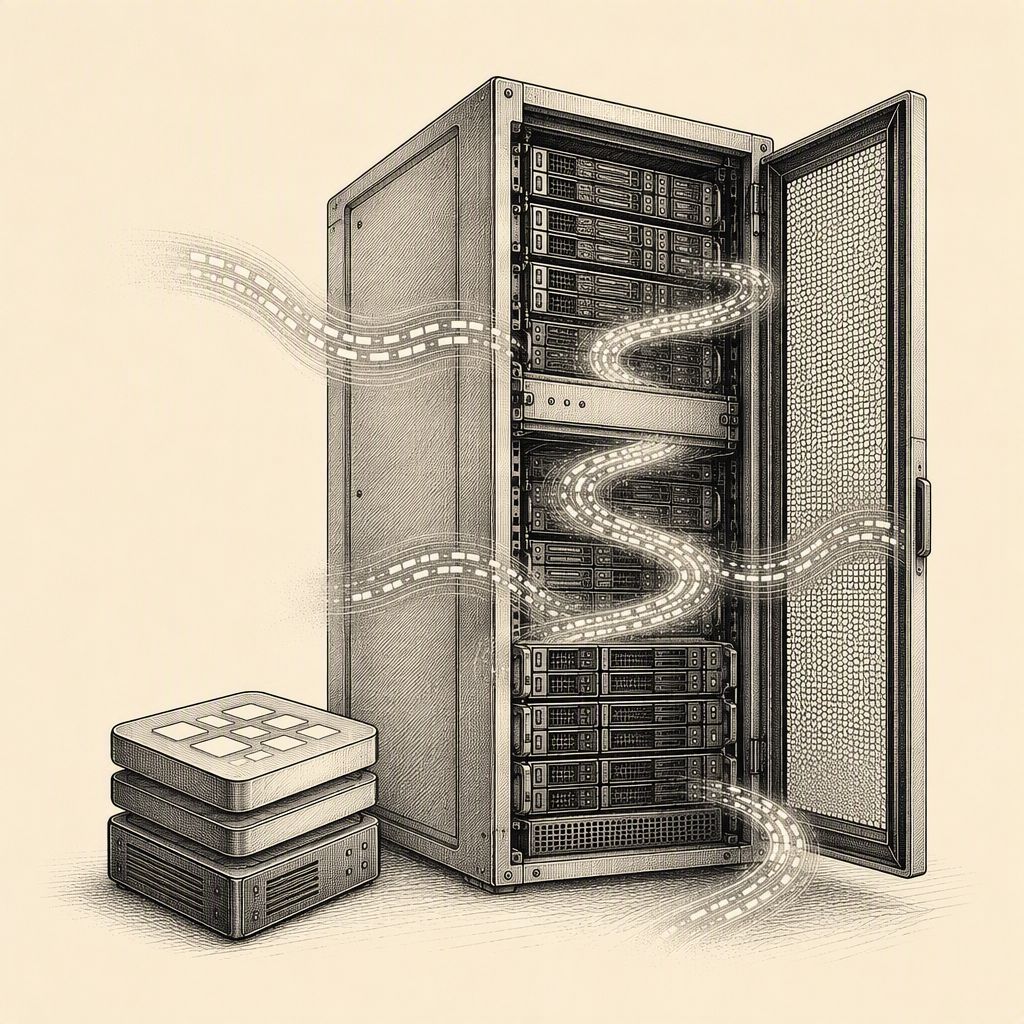
CrowdStrike's threat hunters have uncovered advanced methods employed by adversaries to conceal malicious shell commands within VMware ESXi environments. These techniques are designed to evade detection and maintain persistent access on compromised hosts, posing a significant risk to cloud infrastructure and virtualized data centers.
The primary tactic involves the use of encoding, most notably Base64, to disguise commands that would otherwise be flagged by security monitoring tools. By encoding commands, attackers can embed them within seemingly legitimate system processes or configuration files. When executed, the system decodes the obfuscated string, revealing the malicious instruction. This method is particularly effective against signature-based detection systems that might not recognize the encoded payload.
Beyond Base64, threat actors are also leveraging other obfuscation techniques, such as string concatenation, character substitution, and the use of legitimate system utilities in unexpected ways to mask their activities. These methods create a layered defense against analysis, making it challenging for security teams to quickly identify and understand the nature of the commands being run on ESXi hosts.
The impact of these obfuscation techniques is significant. Compromised ESXi hosts can be used as pivot points for further lateral movement within a network, or as platforms to launch other malicious activities, such as ransomware deployment or data exfiltration. The stealth afforded by command obfuscation allows attackers to operate undetected for extended periods, increasing the potential damage.
CrowdStrike's research highlights the evolving sophistication of attackers targeting virtualized infrastructure. VMware ESXi is a critical component for many organizations, and its compromise can have far-reaching consequences. The ability to hide malicious commands is a key enabler for attackers seeking to maintain a low profile after initial exploitation.
While specific CVEs are not detailed in this particular report, the techniques described underscore the importance of robust endpoint detection and response (EDR) capabilities tailored for virtualized environments. Organizations running VMware ESXi should ensure their security solutions are capable of de-obfuscating and analyzing shell commands, even when they appear to be encoded or hidden within legitimate processes.
CrowdStrike recommends continuous threat hunting, vigilant monitoring of system logs for unusual command patterns, and prompt patching of any known vulnerabilities in ESXi and related components. Proactive security measures are crucial to counter these advanced evasion tactics and protect the integrity of virtualized infrastructure.