
CrowdStrike Agent Graph Visualizes AI Agent Activity on Endpoints
CrowdStrike introduces Agent Graph, a new feature in its Falcon platform, to provide deep visibility into how AI agents interact with and operate on endpoints.
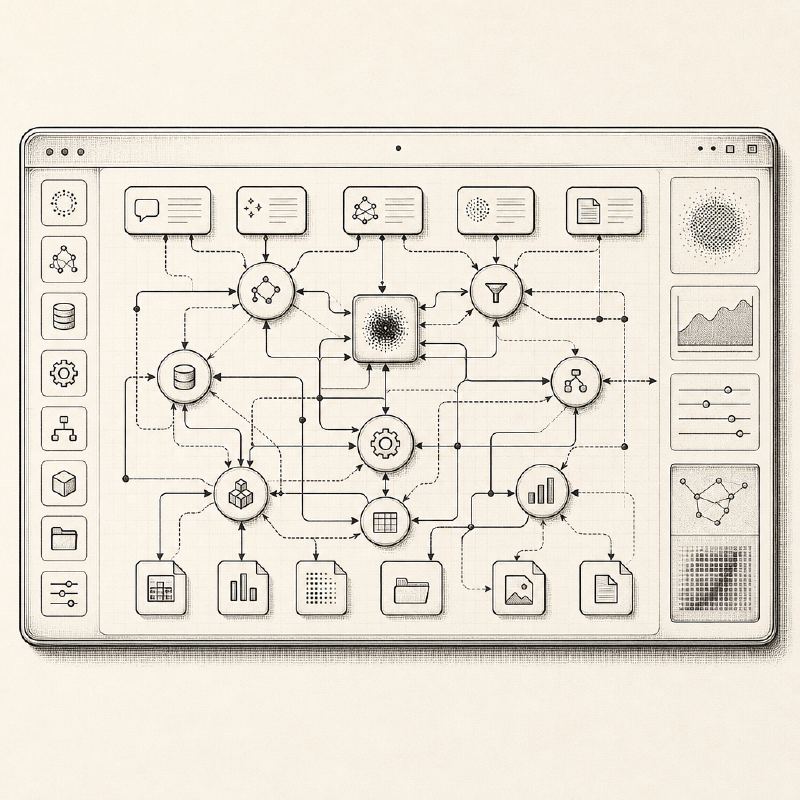
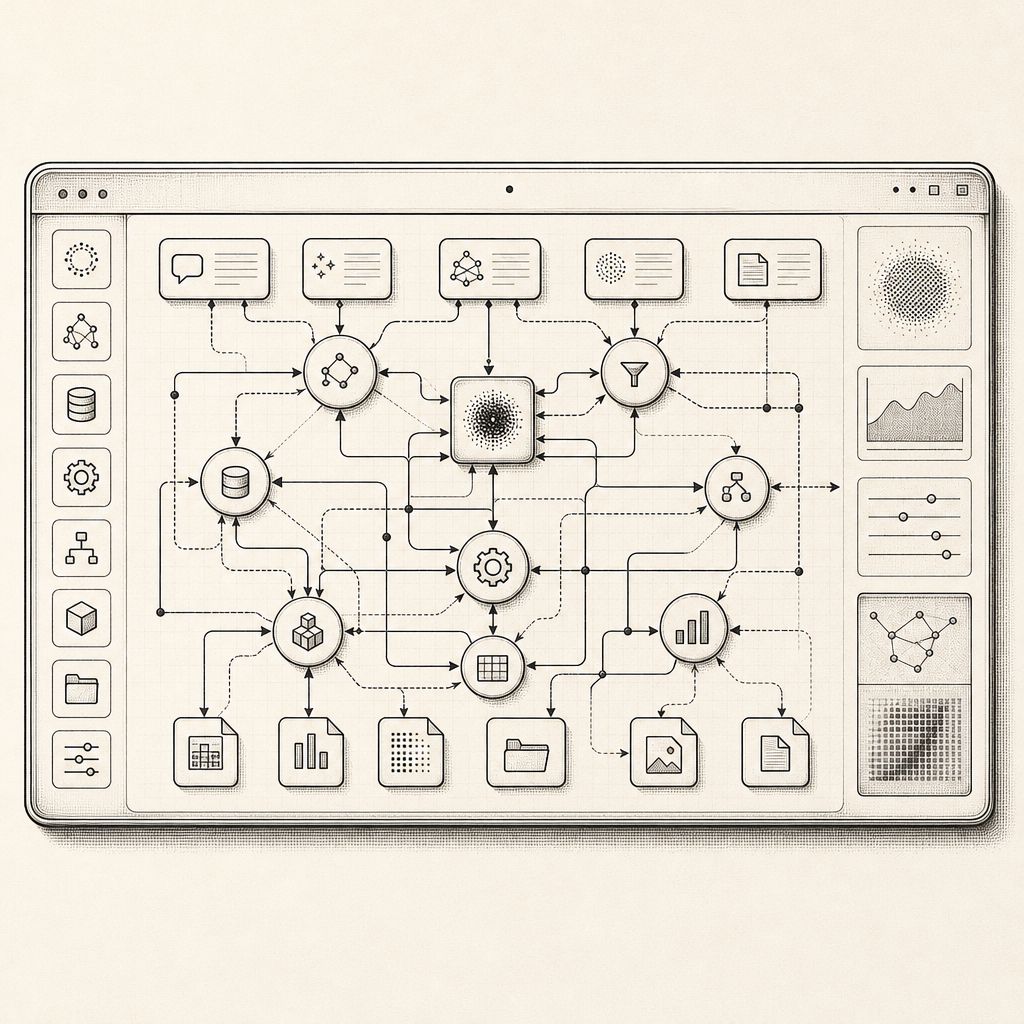
CrowdStrike has unveiled its new Agent Graph feature, integrated into the Falcon platform, designed to offer security teams unprecedented visibility into the operations of AI agents on endpoints. This innovative tool visualizes the complete lifecycle of agent actions, from initial prompts to their ultimate impact on the system, thereby enhancing threat detection and response capabilities.
The increasing sophistication of AI agents means they are no longer confined to simple query responses. These agents can now perform complex actions such as opening files, utilizing credentials, executing code, and installing software locally, all at machine speed. This direct interaction with the operating system is precisely where cyberattacks often land. CrowdStrike's Falcon Guardian, powered by the Falcon sensor, is positioned to monitor these activities at runtime, providing a critical layer of defense.
Traditional security tools often provide an incomplete picture. Network gateways, for instance, can observe communications between an agent and external services, noting prompts and responses. Web gateways might see an agent connecting to a trusted site. However, these tools typically fail to reveal what happens *after* the interaction, within the endpoint's internal environment. This gap can allow hidden instructions to escalate into malicious shell commands or downloaded files to execute with user privileges.
CrowdStrike Agent Graph bridges this visibility gap by connecting the AI layer—prompts, models, tools, and skills—directly to the execution layer. It traces supported agent sessions from the initial prompt through to the resulting actions and their impact. This causal chain is built upon the existing Falcon sensor, which already monitors processes, files, and network connections. The new feature adds the AI context, allowing security analysts to understand not only what an agent was asked to do but also precisely what it did.
Built on Agent Graph, Falcon Guardian offers three key views: Agent Inventory, Session Graph, and Agent Threat Score. Agent Inventory provides a fleet-wide overview of AI agents, whether sanctioned or unsanctioned, detailing their types and associated resources like users, installs, and connected models. The Session Graph offers a granular, chronological view of individual agent sessions, mapping prompts to tool calls and subsequent system actions, thereby pinpointing the origin of security incidents. The Agent Threat Score aggregates detections related to an agent's activity, creating a prioritized triage queue for security teams.
For supported agents, Falcon Guardian also introduces agent hooks. These hooks integrate with an agent's native systems to capture critical session data at key points, such as prompt submission and tool execution. This provides even more detailed nodes within the graph, including exact prompt text and tool inputs/outputs. Crucially, agent hooks also enable enforcement capabilities, allowing Falcon Guardian to evaluate prompts and tool calls against defined policies and block dangerous actions before they occur. Currently, agent hooks are available for popular tools like Claude Code, OpenAI Codex, GitHub Copilot, OpenCode, and Cursor.
By correlating AI interactions with on-endpoint execution, CrowdStrike Agent Graph and Falcon Guardian empower organizations to secure AI agents at the point of execution. This comprehensive approach allows security teams to move seamlessly from a high-level fleet view down to the specific action that triggered a detection, all within a single, integrated platform, significantly improving their ability to manage and mitigate risks associated with AI-driven operations.