
Critical Vulnerabilities in KARR Anti-Theft Systems Allow Remote Vehicle Unlocking and Immobilization
Researchers have uncovered significant security flaws in the KARR Security System, an aftermarket car alarm installed in millions of US vehicles, enabling remote unlocking, alarm disabling, and ignition immobilization.
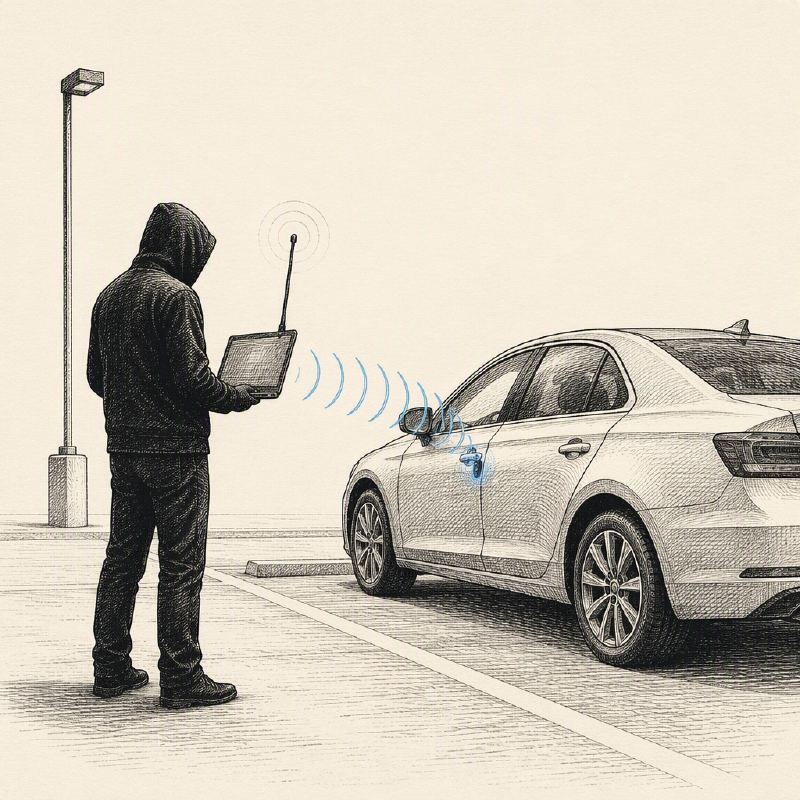
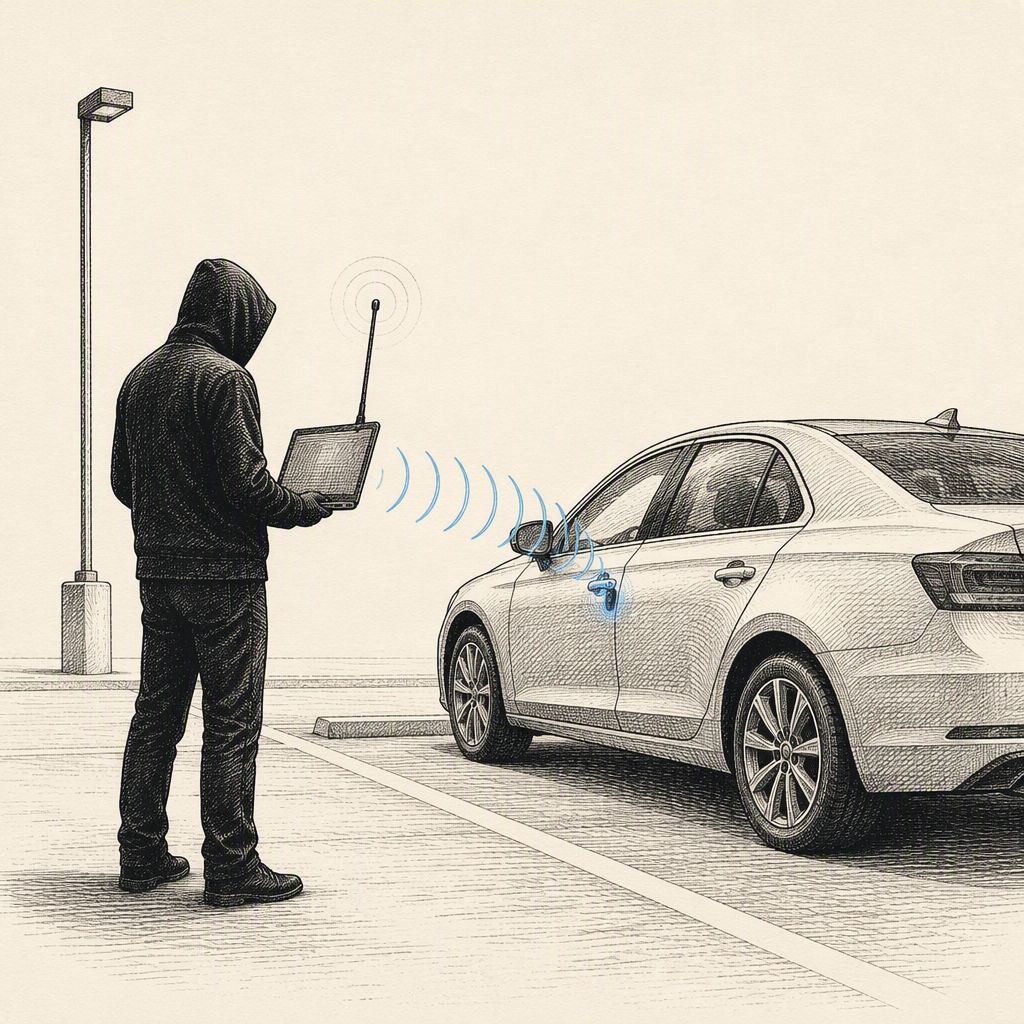
Security researchers from UC San Diego have identified critical vulnerabilities within the KARR Security System, a widely used aftermarket car alarm installed in an estimated two million vehicles across the United States. The flaws, which are exploitable via Bluetooth, allow attackers within range to remotely unlock vehicles, disable the alarm, and even immobilize the ignition.
This discovery presents a serious threat to vehicle owners, as it enables silent and sophisticated car theft. An attacker could approach a vehicle, exploit the Bluetooth vulnerability, unlock the doors without triggering the alarm, and drive away. Furthermore, the ability to disable the ignition leaves drivers stranded, potentially in vulnerable situations.
The research highlights a significant oversight in the security design of the KARR system. The vulnerabilities appear to stem from weaknesses in how the system handles Bluetooth communication and command authentication. By broadcasting malicious commands within Bluetooth range, attackers can effectively take control of various functions of the alarm system, overriding its intended security measures.
While the exact number of affected KARR models and versions has not been fully detailed, the widespread installation of the system means a substantial portion of the US vehicle population could be at risk. The implications extend beyond mere theft, as the system's functions could be misused for harassment or to disable a vehicle for other malicious purposes.
Details regarding a patch or mitigation strategy from KARR Security System or its manufacturers are currently scarce. The researchers' findings underscore the ongoing challenges in securing automotive electronics, particularly aftermarket devices that may not undergo the same rigorous security testing as factory-installed systems. The reliance on Bluetooth for critical vehicle functions, without robust encryption or authentication, proves to be a significant security liability.
This incident serves as a stark reminder of the importance of regular security audits and updates for all connected devices, including those in the automotive sector. Consumers who rely on aftermarket security systems are advised to stay informed about potential vulnerabilities and to seek updates or alternative solutions if their systems are found to be at risk. The automotive industry, in general, faces increasing pressure to address the security implications of its connected technologies.
The research team plans to release further technical details and potentially proof-of-concept exploits in the near future, which will likely prompt a more urgent response from the vendor and potentially regulatory bodies. The findings are expected to fuel discussions about mandatory security standards for automotive aftermarket devices.