
Critical Issabel PBX Vulnerability Exploited for Unauthenticated Command Execution
A critical command execution vulnerability in Issabel Framework, CVE-2026-86026, is being actively exploited, allowing unauthenticated attackers to compromise PBX systems.
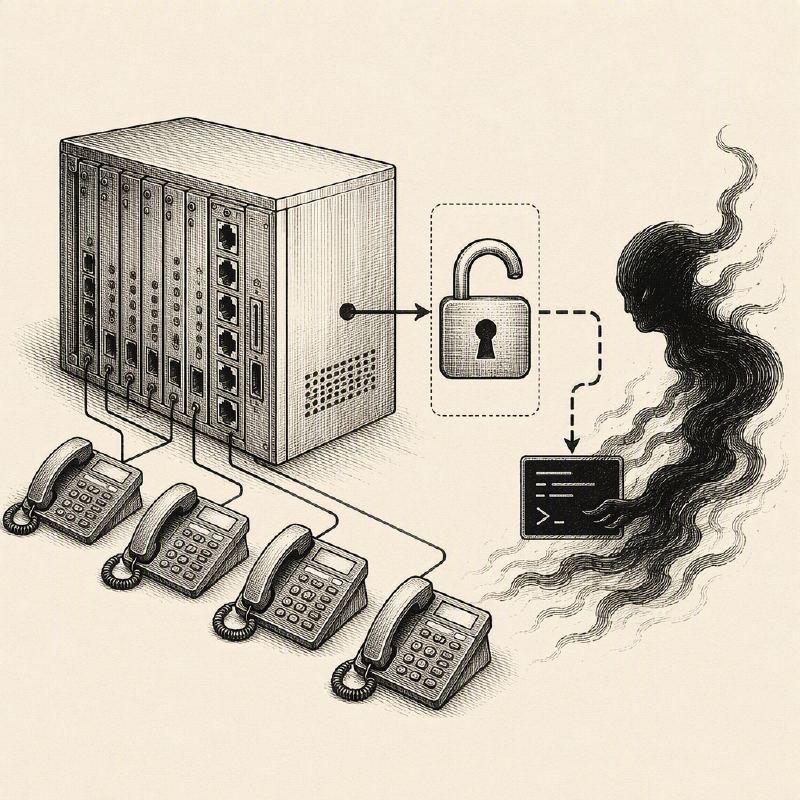
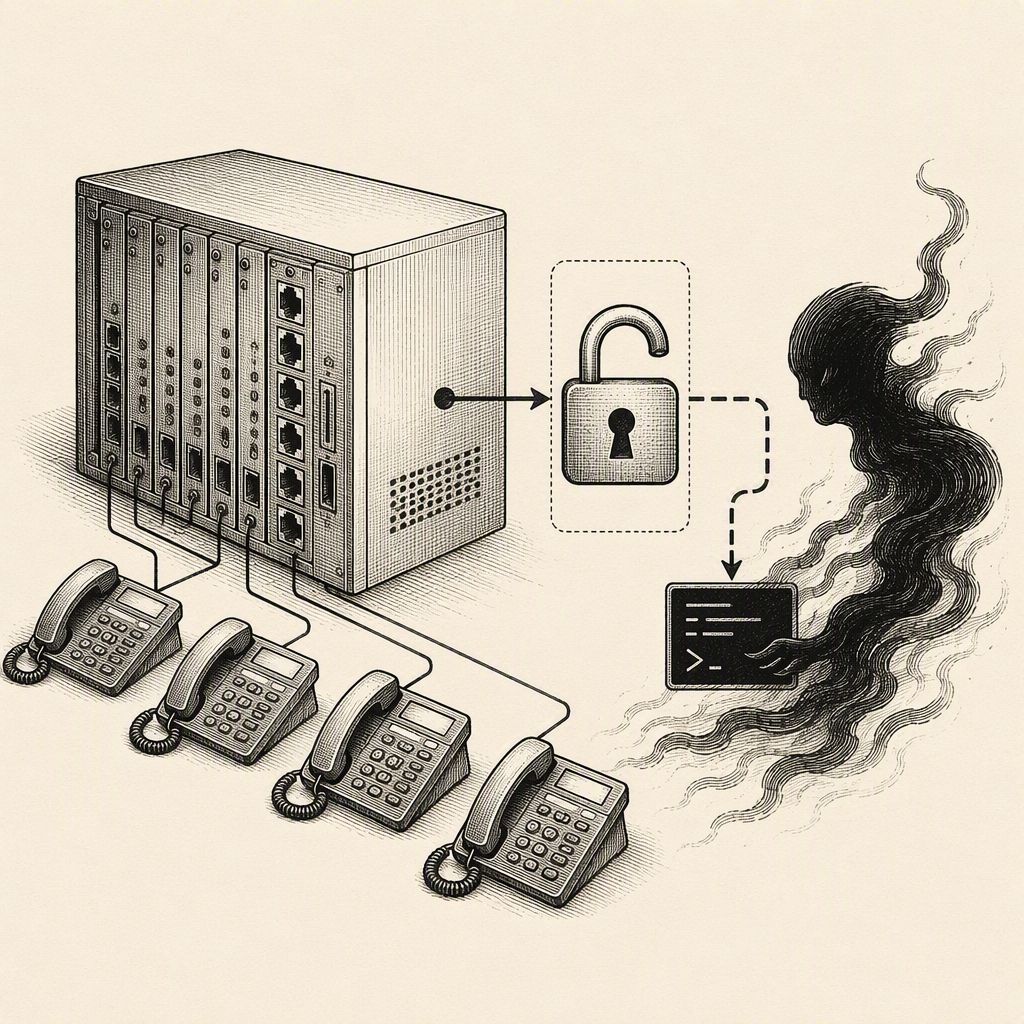
A critical command execution vulnerability (CVE-2026-86026) affecting Issabel Framework, the software underpinning Issabel PBX deployments, is currently being exploited in the wild. This flaw enables unauthenticated remote attackers to execute arbitrary operating system commands on vulnerable PBX servers, posing a severe risk to organizations relying on this communication infrastructure. The vulnerability has been rated critical with a CVSS v4 score of 9.3 by VulnCheck, highlighting the urgency for remediation.
The root cause of the vulnerability lies in the use of a hard-coded HS256 JSON Web Token (JWT) signing key within the pbxapi/index.php file of the Issabel Framework. Because this signing key was identical across multiple affected installations, attackers can forge legitimate-looking bearer tokens without needing any prior authentication or access to the PBX system. JWTs are typically used to verify the authenticity and integrity of requests, but the shared secret key completely undermines this security mechanism, allowing attackers to bypass authentication checks.
Once an attacker has generated a forged token, they can target specific API endpoints, notably the pbxapi/manager/originate endpoint. This endpoint interacts with the Asterisk Manager Interface, a component used for managing PBX functionalities. By exploiting this, attackers can invoke the System application, which in turn allows them to execute arbitrary OS commands with the privileges of the Asterisk user. This level of access can lead to a wide range of malicious activities, including the deployment of malware, data exfiltration of call records or configuration files, manipulation of dial plans, or further lateral movement within the victim's network.
The Shadowserver Foundation first detected exploitation attempts on September 9, 2026, indicating that threat actors are actively leveraging this vulnerability. The fact that the attack is unauthenticated and can be performed remotely makes internet-exposed Issabel PBX systems particularly vulnerable. The vulnerability is categorized under CWE-321, "Use of Hard-coded Cryptographic Key," a common and dangerous security flaw, especially in widely deployed software where a single compromised key can affect numerous organizations.
Issabel administrators are strongly advised to update their Issabel Framework to a version that includes the fix associated with commit b97dbaf0b71c1c36f841e672b664afbeb02773bd. Beyond patching, it is crucial to verify that the vulnerable shared JWT signing key has been removed and that the patched code is deployed. Organizations should also implement stricter access controls for PBX administration and API interfaces, ensuring they are not broadly accessible from the public internet.
To mitigate risks, security teams should restrict access to PBX management interfaces and API endpoints. Where remote access is necessary, it should be secured through methods like VPNs, IP allowlisting, robust authentication mechanisms, and network segmentation. VulnCheck has also added this vulnerability to its Known Exploited Vulnerabilities (KEV) database, further emphasizing the critical need for prompt patching and threat hunting.
Administrators should proactively review their logs for any signs of suspicious activity, including unusual bearer token usage, malformed originate requests, unexpected shell command executions, or outbound network connections originating from the PBX server. Any detected compromise should be treated as a security incident, requiring immediate credential rotation, forensic analysis, and potentially system rebuilding.
The Shadowserver Foundation first observed exploitation of CVE-2026-89026 on September 9, 2026, indicating that attackers began leveraging the vulnerability shortly after its patch was released on August 1, 2026. While details on the specific methods or scale of these real-world attacks remain scarce, the vulnerability's high CVSS scores (9.8/9.3) underscore the significant risk to unpatched Issabel Framework installations.