
Critical HashiCorp Consul Kubernetes Flaw Allows Privilege Escalation
A vulnerability in HashiCorp Consul-k8s (CVE-2026-110720) allows attackers with Kubernetes permissions in different namespaces to impersonate Consul components and gain elevated privileges.
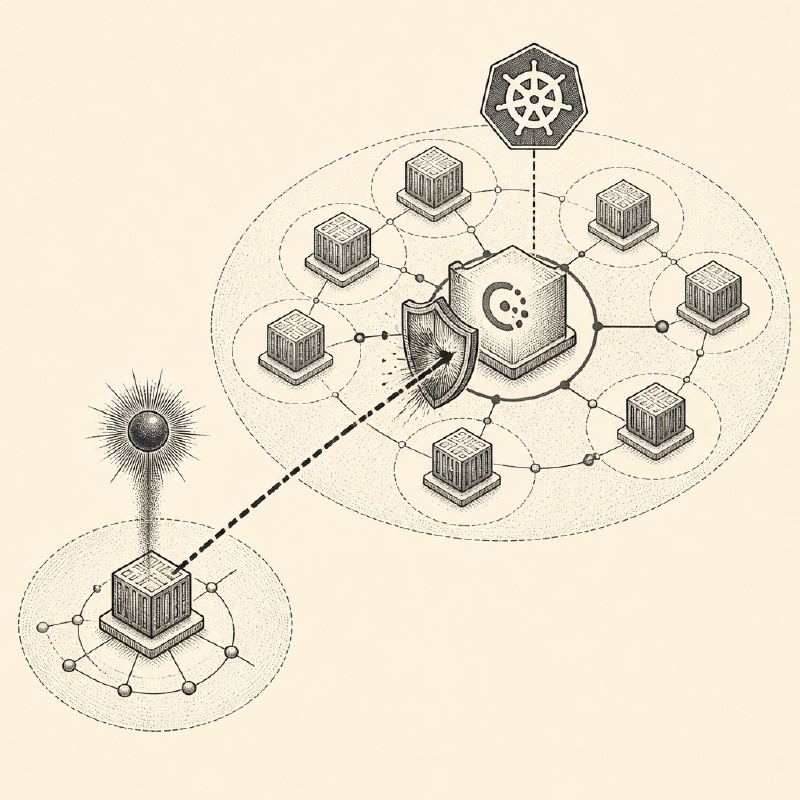
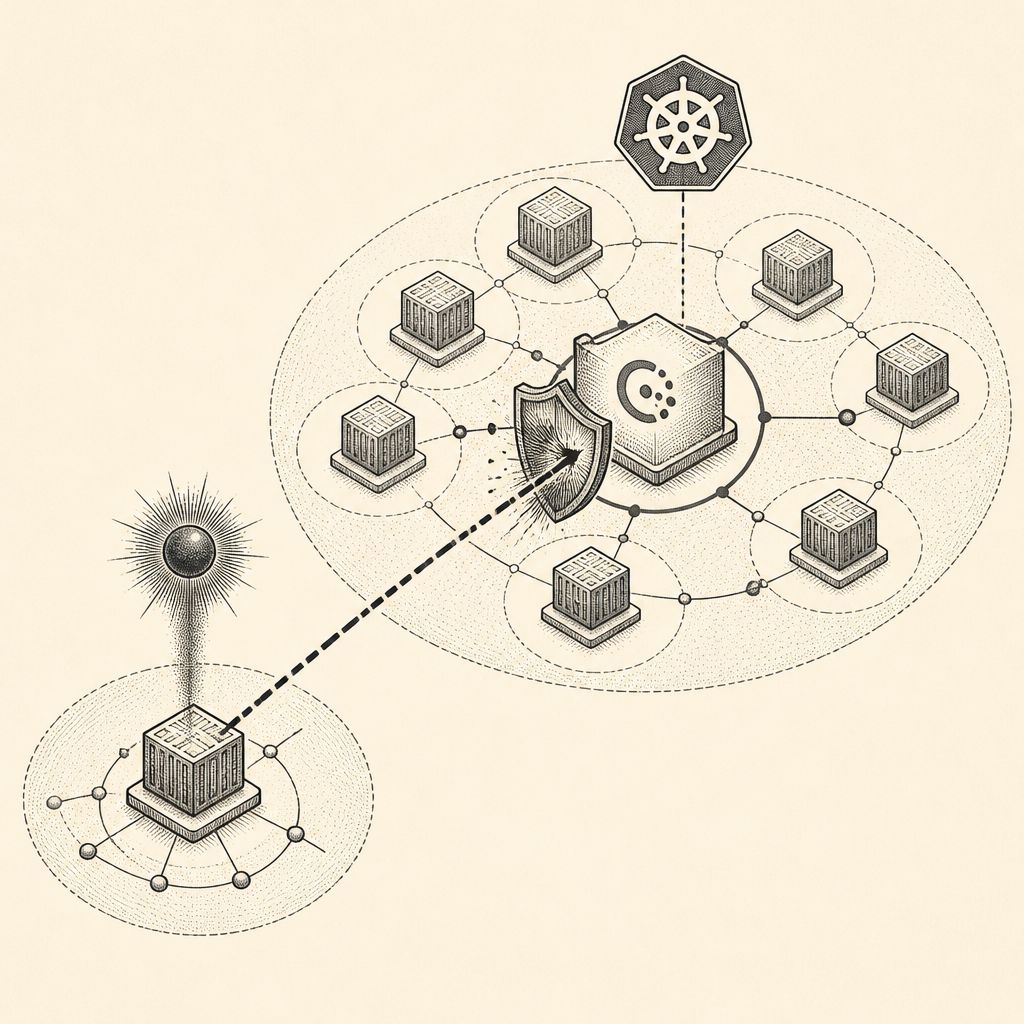
HashiCorp has released critical security updates for its Consul-k8s integration, addressing a significant authorization bypass vulnerability tracked as CVE-2026-110720. This flaw could allow an attacker, already possessing specific Kubernetes privileges within a separate namespace, to impersonate a legitimate Consul component and thereby gain elevated privileges within the Consul environment.
The vulnerability specifically affects deployments where automated system access control list (ACL) management is enabled. HashiCorp disclosed the issue on October 26, 2026, and has provided patched releases in Consul-k8s versions 2.1.0 and 1.8.18. The advisory indicates that versions ranging from 0.42.0 through 2.0.4 are susceptible to this flaw, with 1.8.18 serving as a fixed release for older installations.
At the core of the vulnerability lies a weakness in the component ACL binding rules that are responsible for mapping Kubernetes identities to Consul permissions. When the system ACL management feature is active, Consul-k8s automatically configures Kubernetes authentication and binding rules to facilitate the acquisition of Consul tokens by its internal components. The intention is to link each component's Kubernetes ServiceAccount directly to its corresponding Consul role.
However, the affected binding rules failed to adequately restrict authentication to only those ServiceAccounts residing within the same Kubernetes namespace as the Consul deployment. This oversight created an opening, allowing an authenticated identity from a different namespace to successfully authenticate as a Consul component. Consequently, the attacker could obtain the privileges associated with the impersonated component, effectively crossing an intended access boundary.
Exploitation of CVE-2026-110720 is not trivial and requires a specific set of prerequisites. An attacker must possess Kubernetes permissions that allow them to create a ServiceAccount and subsequently obtain its associated token within a namespace distinct from the Consul deployment. Furthermore, the attacker needs network accessibility to the Consul API. This means the vulnerability is not exploitable by an unauthenticated attacker from the public internet against all Consul deployments.
The extent of privileges gained through successful exploitation would depend entirely on which Consul component the attacker manages to impersonate. HashiCorp has noted that while an attacker might gain the privileges of the impersonated component, this does not necessarily equate to full administrative access to the Consul cluster. The company has not provided any details regarding exploit code or confirmed instances of exploitation in the wild.
HashiCorp explicitly states that deployments where system ACL management is disabled are not vulnerable to this specific issue. Therefore, organizations must verify both their installed Consul-k8s version and the status of the global.acls.manageSystemACLs=true configuration setting to accurately assess their exposure. Version numbers alone are insufficient to determine vulnerability.
HashiCorp advises all customers to review their environments, evaluate their risk, and upgrade to the patched versions of Consul-k8s, specifically 2.1.0 or 1.8.18. The security researcher Elias Hasas, known online as zer0d4y5, is credited with discovering and reporting this vulnerability. No additional post-upgrade cleanup steps were specified in the advisory.