
Critical Docker Hub Flaw Allowed User Impersonation and Malicious Image Pushing
A critical vulnerability in Docker Hub allowed attackers to impersonate users and push container images under trusted names by exploiting personal access tokens during account conversions.
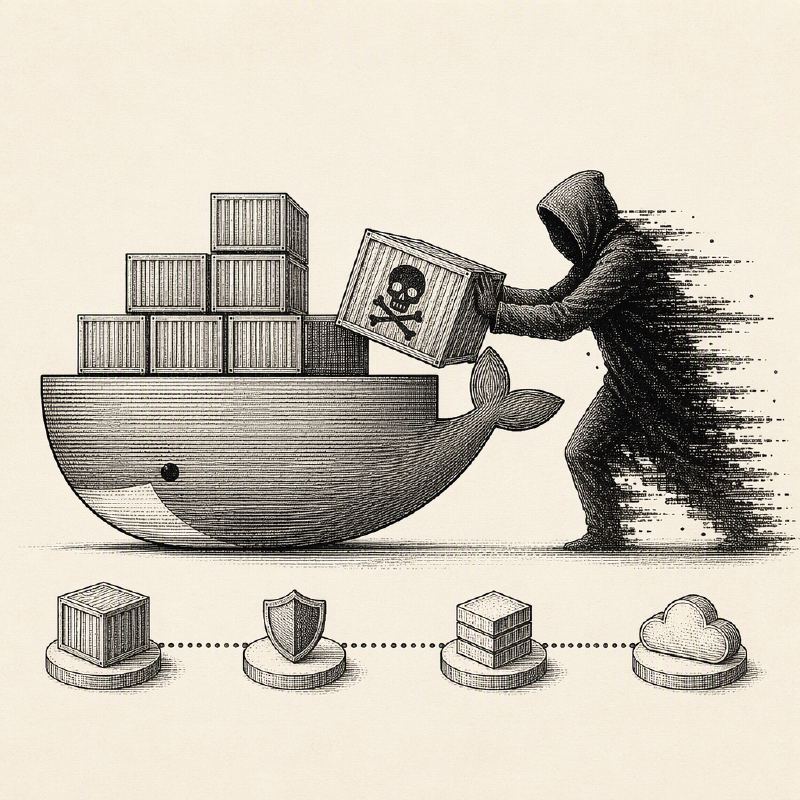
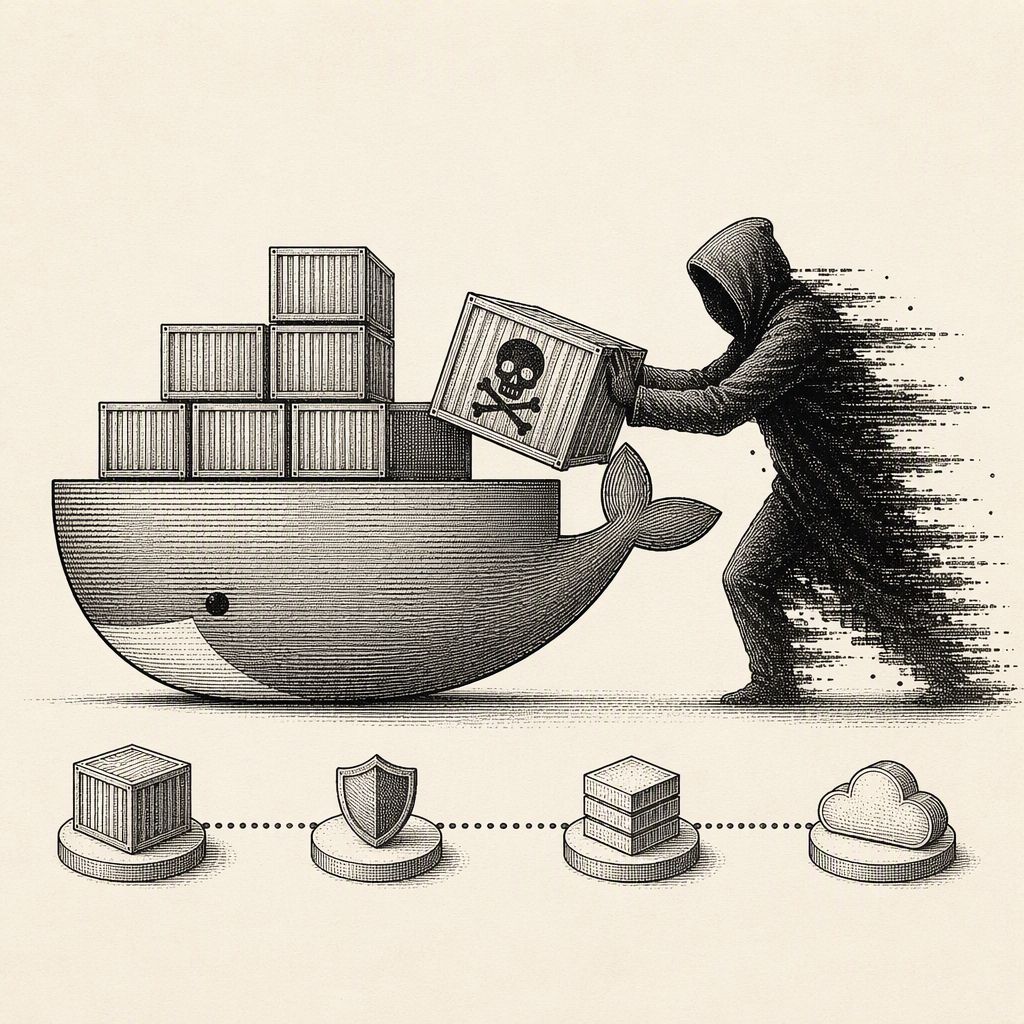
Docker has disclosed a critical vulnerability, tracked as CVE-2026-105445, that enabled attackers to impersonate other Docker Hub users and publish container images under legitimate, trusted names. The flaw specifically affected personal access tokens (PATs) that were transferred during the process of converting a personal Docker Hub account into an organization.
The vulnerability existed from August 26, 2024, to September 30, 2026, when Docker implemented a fix. During the account-to-organization conversion, the system would transfer the original account's PATs to the new owner without requiring explicit approval or notification. An attacker could leverage this by creating their own account, generating a PAT, and then converting this account into an organization, designating a victim's account as the owner. While the attacker retained knowledge of the token secret, Docker Hub incorrectly associated it with the victim's identity, allowing registry requests authenticated by that token to appear as if they originated from the victim.
This mechanism presented a significant software supply chain risk. Attackers could potentially push malicious or altered container images into repositories that developers and automated systems relied upon. The impact varied depending on the permissions granted to the compromised PAT and the target user's access levels within their repositories and connected organizations, potentially allowing for the pull, push, or deletion of images. However, Docker emphasized that this vulnerability did not permit a full account takeover, meaning attackers could not change passwords, email addresses, or two-factor authentication settings.
Researchers Peter Molnar and Krisztian Hozak of mptrdev.com brought this issue to Docker's attention through its vulnerability disclosure program. Docker confirmed the vulnerability internally and deployed a production fix within four hours of the report. The company conducted an extensive investigation, reviewing approximately 304,000 image pushes made with transferred tokens. Their analysis of registry authentication logs and token records found no evidence of exploitation targeting unrelated accounts or the injection of malware, cryptominers, or credential theft mechanisms into public images.
Despite the lack of confirmed malicious activity, Docker treated every transferred PAT as potentially affected due to the nature of registry logs. The company proactively notified affected users and organization owners on October 2, 2026, and subsequently deactivated all transferred tokens on October 8, with exceptions for those owners specifically requested to retain. Docker has since implemented additional security measures, including requiring owner consent for token transfers, mandatory notifications for ownership changes, and improved record-keeping of token ownership history.
Docker advises users to revoke any unfamiliar or unused PATs and recommends the use of organization access tokens for automated tasks within organizations. This incident underscores the critical importance of secure credential management and the potential supply chain risks associated with platform conversion processes, especially in the widely used container ecosystem.
Docker has officially patched this critical vulnerability in Docker Hub, which had been present for approximately two years. The fix, released on September 30, addresses the flaw in the personal account-to-organization conversion feature. While Docker stated there is no evidence of exploitation, the vulnerability allowed unauthorized users to push, pull, or delete images belonging to other users.