
Critical Dell Enterprise SONiC Flaw Allows Command Execution on Network Switches
A critical argument injection vulnerability (CVE-2026-103782) in Dell Enterprise SONiC Distribution, rated 9.9 CVSS, allows remote attackers with limited privileges to execute arbitrary commands and access unauthorized files.
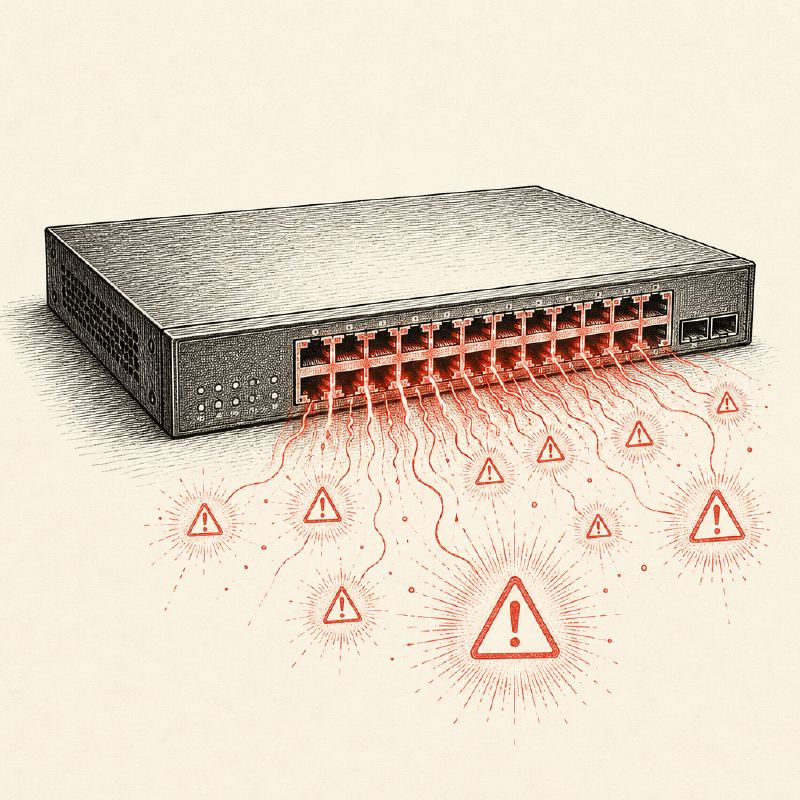
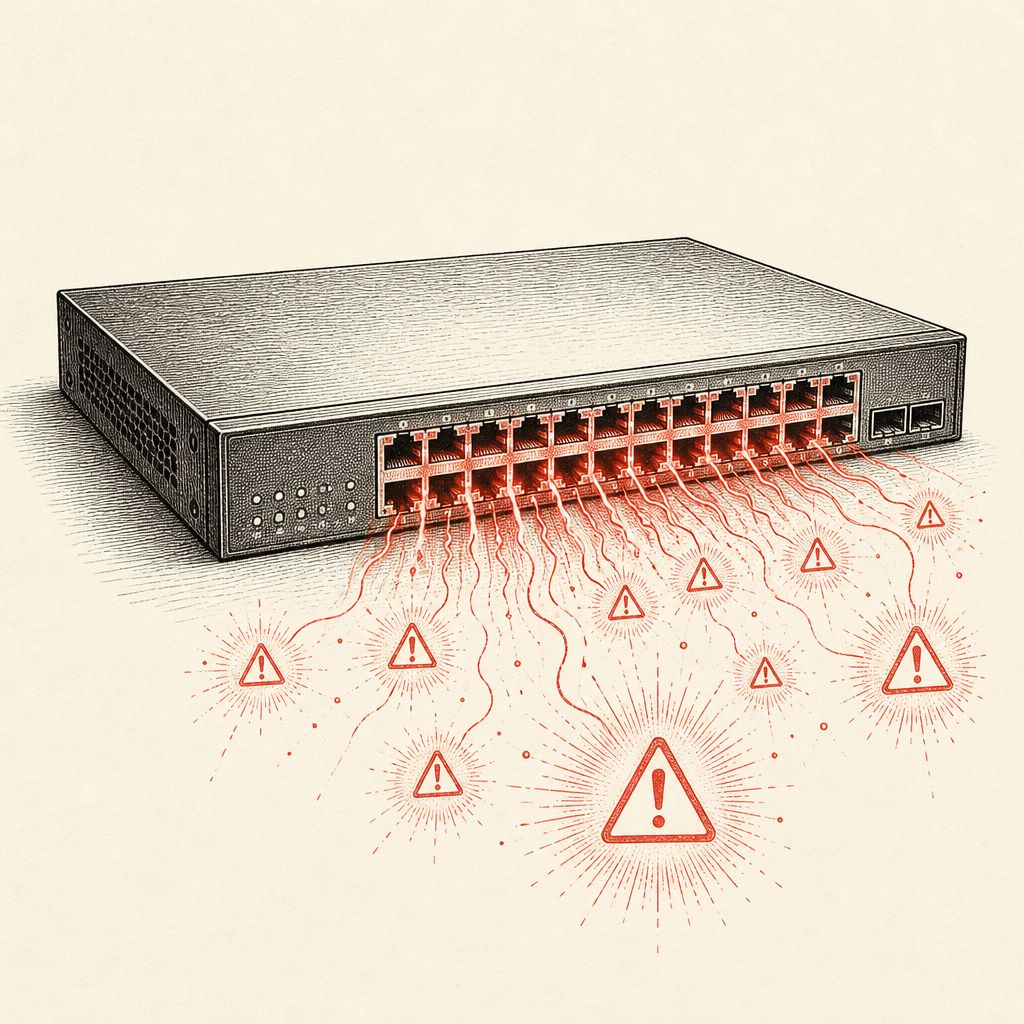
Dell Technologies has released a patch for a critical security vulnerability affecting its Enterprise SONiC Distribution software. The flaw, identified as CVE-2026-103782, carries a severe CVSS score of 9.9, indicating a high risk of exploitation. This argument injection vulnerability allows remote attackers, even those with limited privileges, to execute arbitrary commands on affected network switches and potentially access unauthorized files and directories.
The vulnerability impacts Dell Enterprise SONiC Distribution versions prior to 4.6.1. Dell disclosed the issue on November 19, 2026, and has since released an update to address the problem. While the advisory does not indicate that the flaw has been actively exploited in the wild, network administrators are urged to prioritize identifying and updating affected switches to prevent potential compromise.
Security researchers classify the vulnerability as an argument injection. This type of flaw occurs when software does not properly validate or sanitize input data. As a result, a program may interpret user-supplied input as commands or instructions rather than as simple data, leading to unintended execution of code or access to sensitive resources. In this specific case, an attacker can leverage this to gain control over network switch functionalities.
Dell's severity rating highlights that the flaw is reachable over a network, possesses low attack complexity, and does not require any user interaction to be exploited. This means that an attacker could potentially exploit the vulnerability without needing direct access to the switch or tricking a user into performing an action. The risk is present even if the switch is not directly exposed to the public internet, as an attacker with internal network access and limited privileges could still pose a significant threat.
This critical flaw differs from a previously disclosed command injection vulnerability in Dell Enterprise SONiC, which required higher privileges for exploitation. The affected Dell PowerSwitch platforms include the E3200-ON series, N3200-ON, S3248T-ON, and S5248F-ON. Administrators must verify the installed SONiC version on each switch, as the hardware model alone is not a definitive indicator of vulnerability.
Dell recommends upgrading all affected systems to version 4.6.1. The company provides the necessary update and download information through its security advisory DSA-2026-451 and Dell My Account portal. Before proceeding with the update, it is crucial for administrators to back up current switch configurations and prepare a rollback plan in case of any issues during the upgrade process.
Post-update, administrators should confirm the successful installation of version 4.6.1 and verify that network traffic is flowing as expected. If an immediate upgrade is not feasible, organizations should implement interim mitigation strategies. These include reviewing and restricting management access to only trusted accounts and networks, and prioritizing devices whose management interfaces are accessible from broader network segments. While these measures can reduce the attack surface, they do not eliminate the underlying vulnerability, making the patch the definitive solution.