
Colorado Water Utilities Targeted in OT Cyberattacks
Multiple water utilities in Colorado have fallen victim to cyberattacks that specifically targeted their operational technology (OT) systems, disrupting critical functions.
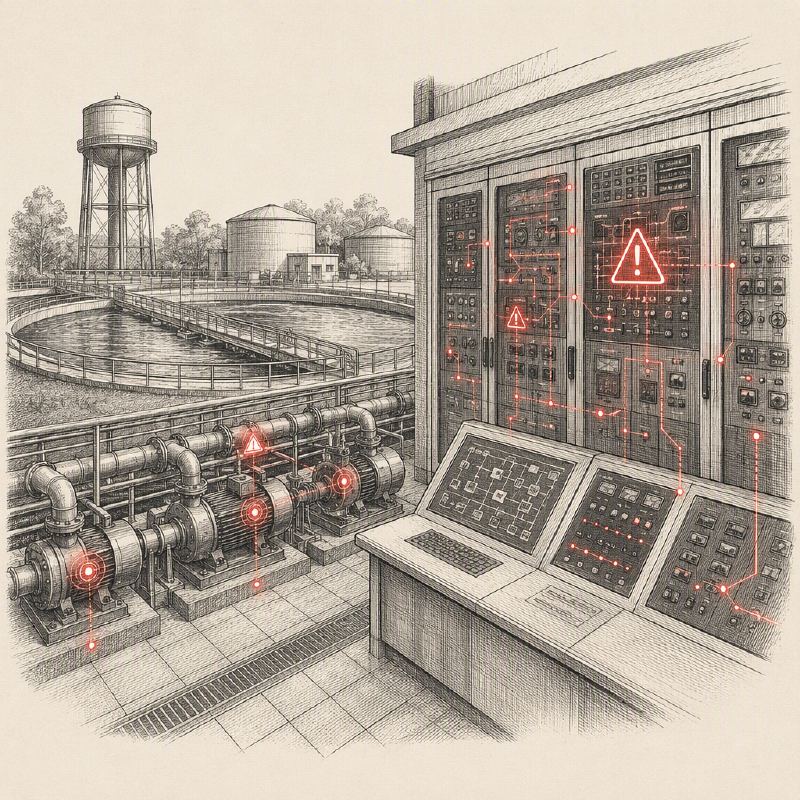
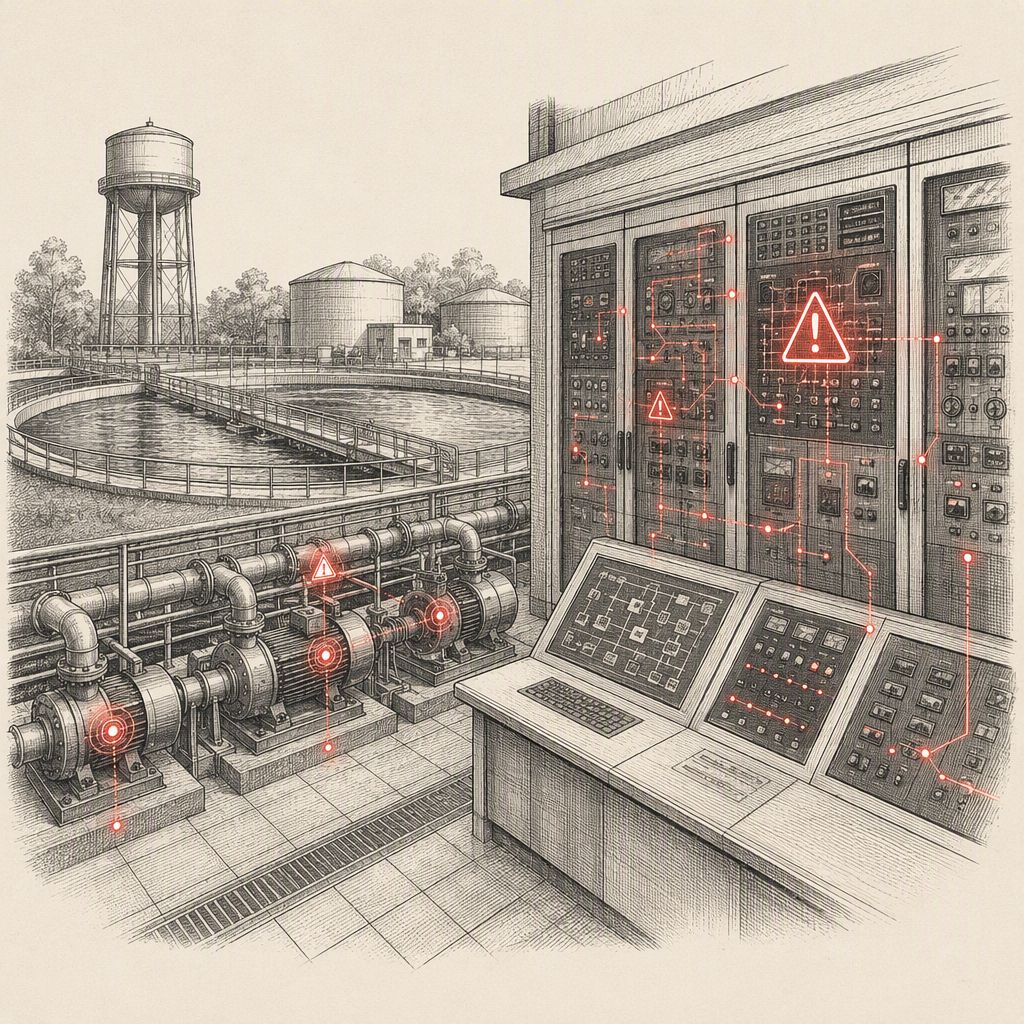
Multiple water utilities across Colorado have recently been targeted by cyberattacks that specifically aimed at their operational technology (OT) systems, leading to significant disruptions. The attackers successfully manipulated equipment settings, disabled remote access capabilities, and turned off alarms, compromising the ability of utility operators to monitor and control their infrastructure.
Further exacerbating the situation, the cybercriminals altered pumping cycles within the affected water systems. This interference directly impacts the delivery of water services and could have severe consequences for public health and safety if left unaddressed. The precise methods used to gain access to these OT environments and the identity of the threat actors behind the attacks remain undisclosed.
These incidents underscore the growing vulnerability of critical infrastructure, particularly the OT systems that manage physical processes. Unlike traditional IT systems, OT environments often have different security requirements and may be less resilient to sophisticated cyber intrusions. The attacks highlight a critical gap in securing these specialized systems.
The nature of the attacks, focusing on manipulating physical processes rather than simply exfiltrating data, suggests a motive beyond financial gain, potentially aiming to cause widespread disruption or demonstrate capability. The lack of immediate attribution leaves a wide range of potential threat actors, from nation-state actors to hacktivists or even financially motivated groups with a specific interest in critical infrastructure.
Officials are investigating the full scope of the breaches and working to restore normal operations. The attacks serve as a stark reminder for all utility providers, especially those managing water resources, to reassess and strengthen their cybersecurity defenses, with a particular focus on the unique challenges posed by OT systems.
While specific details about the attack vectors are scarce, the targeting of OT systems suggests a potential bypass of traditional IT network defenses. This could involve exploiting vulnerabilities in remote access solutions, industrial control system (ICS) specific protocols, or even physical access combined with social engineering.
The incidents are likely to prompt increased scrutiny and investment in cybersecurity measures for water utilities and other critical infrastructure sectors. The potential for widespread impact from attacks on such essential services makes them a prime target for malicious actors.
Authorities are urging all water utilities to review their OT security protocols, ensure systems are patched and properly segmented, and implement robust monitoring to detect and respond to anomalous activity. The ongoing investigation aims to identify the perpetrators and prevent future attacks.