
COLD RELIC Espionage Group Leveraged Stolen Data for US Organizational Compromise
Mandiant and GTIG have linked the Russia-nexus espionage group COLD RELIC to a US organizational compromise, noting the attack utilized data stolen the previous year.
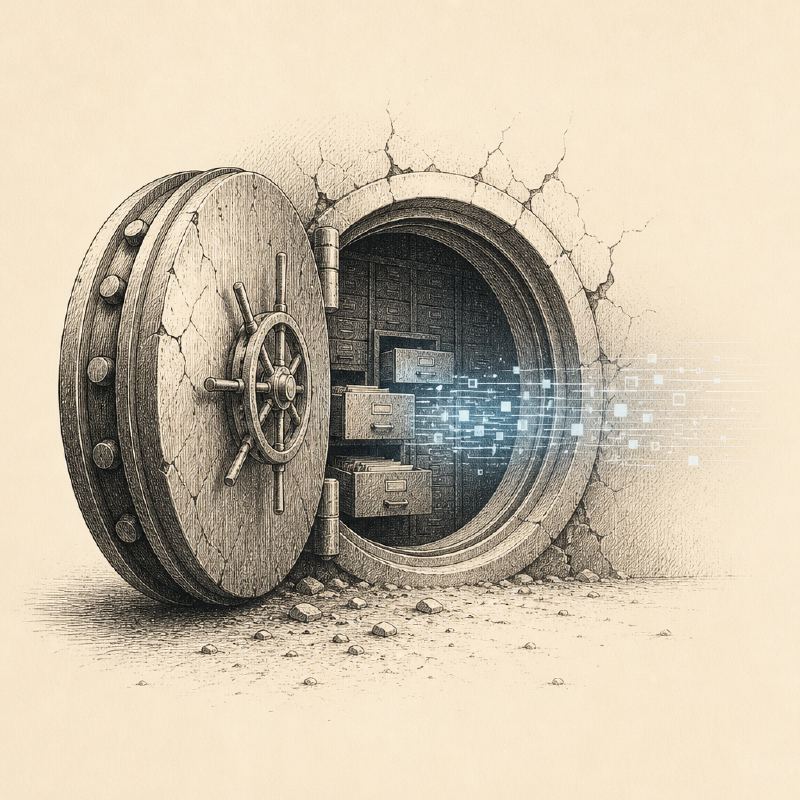
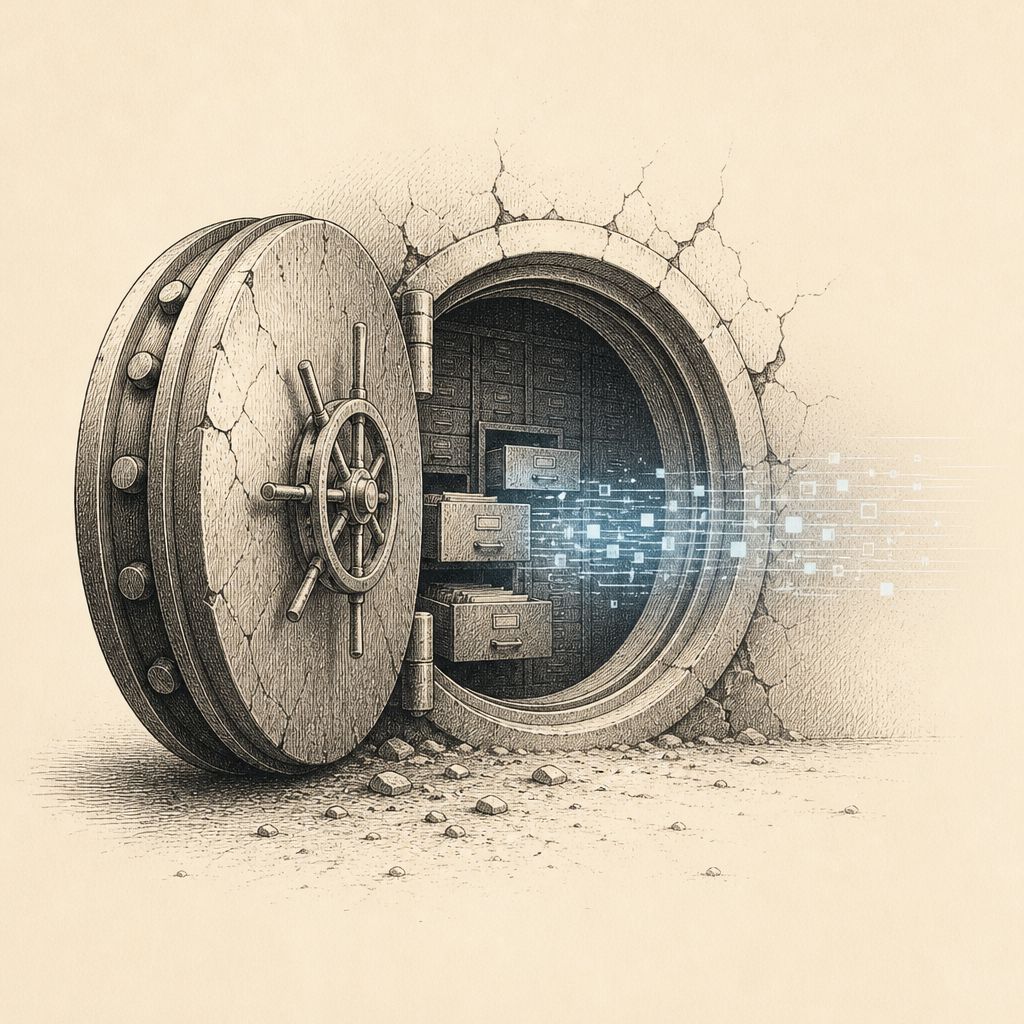
Mandiant and Google Threat Intelligence (GTIG) have attributed a sophisticated cyber espionage operation against a U.S. organization to the Russia-nexus threat group COLD RELIC. The investigation revealed a concerning tactic: the attackers leveraged data that had been exfiltrated from the target organization in 2025 to facilitate a successful compromise in 2026.
This case study underscores the long-term strategic planning and patience employed by state-sponsored espionage actors. The ability of COLD RELIC to maintain access to or knowledge of previously stolen data, and then weaponize it a year later, highlights a significant challenge for defenders. It suggests a persistent and methodical approach to intelligence gathering and operational execution, where initial data breaches serve as foundational elements for future, more impactful intrusions.
While the specific nature of the data stolen in 2025 and how it was used to enable the 2026 compromise are not detailed, the implication is that the initial theft provided critical reconnaissance, credentials, or contextual information that lowered the barrier for the subsequent attack. This could range from understanding internal network structures and user habits to obtaining valid credentials that bypassed initial security controls.
COLD RELIC, also tracked as UNC2521, has a history of targeting government, non-governmental, and private sector organizations, particularly in North America and Europe. Their operations often involve sophisticated social engineering, spear-phishing, and the exploitation of vulnerabilities to gain initial access and maintain persistence.
The attribution to a Russia-nexus group aligns with observed patterns of cyber espionage activities aimed at gathering intelligence and potentially influencing geopolitical events. The prolonged timeline from data theft to exploitation suggests a deliberate, multi-stage campaign designed to maximize impact and minimize detection risk.
This incident serves as a stark reminder of the evolving threat landscape and the need for robust, multi-layered security strategies. Organizations must not only focus on preventing initial breaches but also on detecting and responding to the long-term consequences of data exfiltration, including the potential for re-exploitation of stolen information.
Mandiant and GTIG continue to monitor COLD RELIC's activities and advise organizations to implement strong security practices, including regular security audits, prompt patching of known vulnerabilities, comprehensive logging and monitoring, and user awareness training to mitigate the risks posed by such persistent and sophisticated threat actors.
This latest report from The Hacker News details how the Russian espionage group Cold Relic leveraged a single compromised Google Workspace account to breach a second U.S. organization. The attackers utilized stolen credentials from the initial compromise to gain access and conduct further intrusions, highlighting the cascading risk of cloud credential theft.