
Cohesity Launches Agent Resilience to Protect AI Infrastructure
Cohesity introduces Cohesity Agent Resilience, a new capability within its Data Cloud designed to discover, protect, and recover the infrastructure supporting enterprise AI agents.
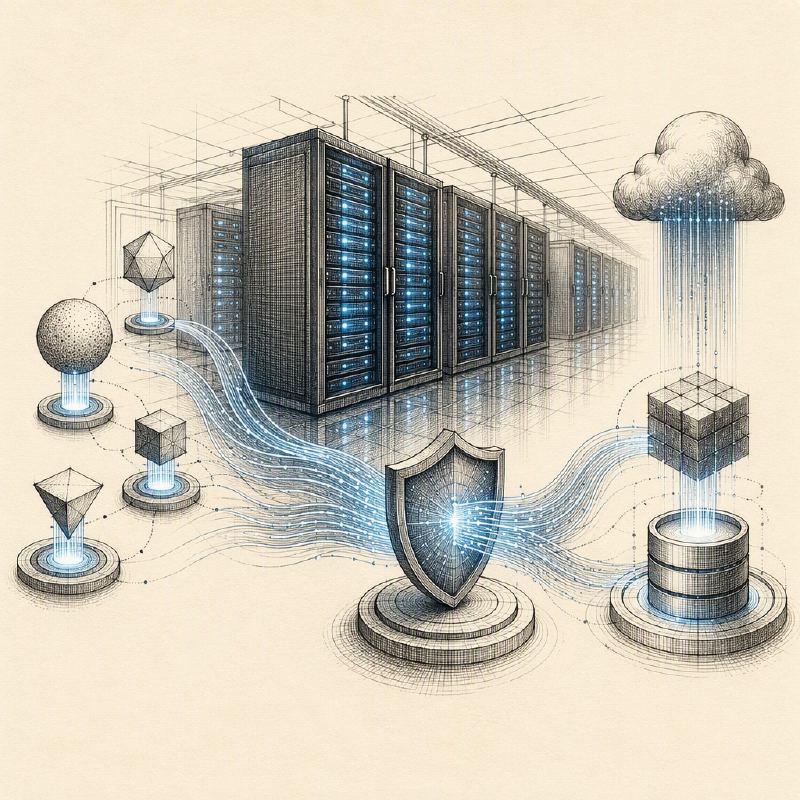
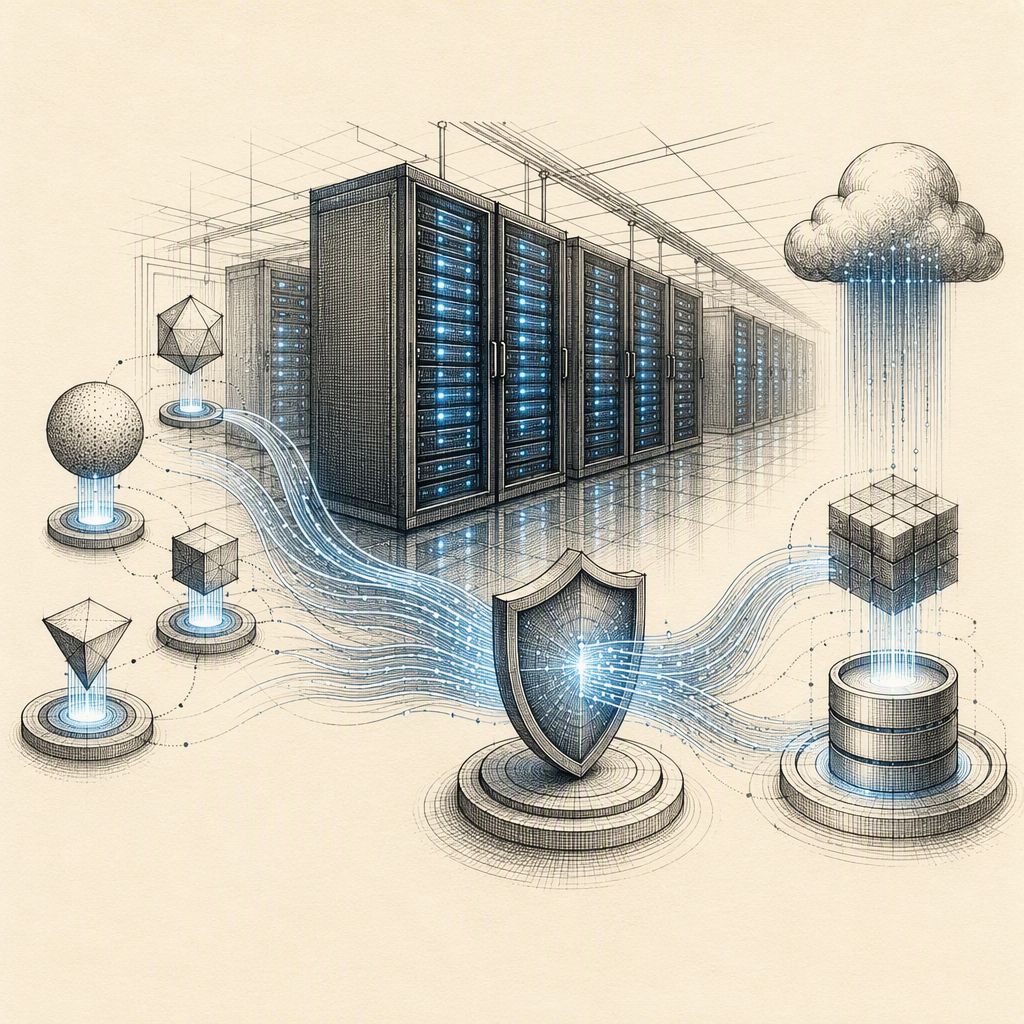
Cohesity has announced Cohesity Agent Resilience, a new capability integrated into its Data Cloud platform. This feature is specifically designed to address the growing need for securing the underlying infrastructure that powers enterprise AI agents. By discovering, protecting, and recovering these critical components, Cohesity aims to provide organizations with a unified view of their AI agents and the states they depend on, ensuring operational continuity and data integrity.
The company also articulated its broader vision for Autonomous Cyber Resilience, which leverages agentic workflows to automate a comprehensive five-step cyber resilience framework. This framework encompasses protecting data, identity, applications, and agents; ensuring recoverability across all scenarios; remediating cyber and AI threats; practicing application recovery; and optimizing the overall risk posture of data and AI systems. To support this initiative, Cohesity has launched the Cohesity AI Resilience Academy, starting with a free course focused on managing risks associated with AI systems that are transitioning from advisory roles to autonomous action.
AI agents are increasingly performing critical tasks such as querying databases, updating workflows, and utilizing privileged credentials without direct human oversight for each action. Gartner predicts a significant surge, with up to 40% of enterprise applications expected to incorporate task-specific agents by 2026, a substantial increase from the current less than 5%. While governance and observability tools can flag unexpected behavior, they often fall short in restoring data or systems after an agent has caused unintended changes, corruption, or deletion. Cohesity Agent Resilience directly targets this recovery gap.
Recent research, including the fifth annual Cohesity Global Cyber Resilience Report, highlights the critical need for enhanced AI infrastructure resilience. The report found that 56% of organizations feel unprepared to detect or contain unintended actions by AI agents and automated workflows. Furthermore, 58% expressed low confidence in their ability to verify the integrity of AI models and their associated data following a cyberattack, underscoring the urgency for robust recovery solutions.
"Detection can tell you an AI agent went off course. It cannot undo the changes," stated Vasu Murthy, Chief Product Officer at Cohesity. "Cohesity Agent Resilience provides a precise recovery path for both the agents and the resources they impact. Our vision for Autonomous Cyber Resilience is to use agentic workflows to reduce manual work from response and recovery."
Cohesity Agent Resilience protects the core components of an AI agent's operational environment, including its memory and configuration, leveraging the same robust snapshot architecture, immutable backups, and clean-room recovery capabilities that Cohesity customers already use for their sensitive workloads. This ensures that agents can be restored to a known-good state, mitigating risks from memory corruption, misconfiguration, or malicious activity. The solution also extends protection to the data and services that agents manage, such as databases and file systems, enabling precise recovery of affected resources.
At launch, Cohesity Agent Resilience offers integration with Amazon Bedrock, with plans to support additional agent platforms from Microsoft and Google in the future. The capability is currently available to select customers, with general availability anticipated by the end of the year. This move signifies Cohesity's commitment to evolving its data protection strategies to encompass the unique challenges posed by the rapid advancement and deployment of AI technologies within enterprises.