
Cogent Security Leverages AI for Autonomous Cyber Defense, Earns Fortune Cyber 60 Recognition
Cogent Security, recognized for the second consecutive year on the Fortune Cyber 60 list, is pioneering an AI-driven 'Cyber Defense Factory' model to combat the accelerating pace of cyber threats.
Cogent Security, an applied AI cybersecurity firm, has once again been named to the prestigious Fortune Cyber 60 list, a recognition of its innovative approach to enterprise defense. The company's recent research into the PHP2Shell vulnerability, which exposed critical flaws in PHP that had persisted for over a decade, underscores the urgent need for faster, more automated security responses. AI-assisted research rapidly identified these vulnerabilities and developed exploits, leading to widespread attacks before a patch was available. Cloudflare observed millions of exploitation attempts, highlighting the speed at which attackers can operate.
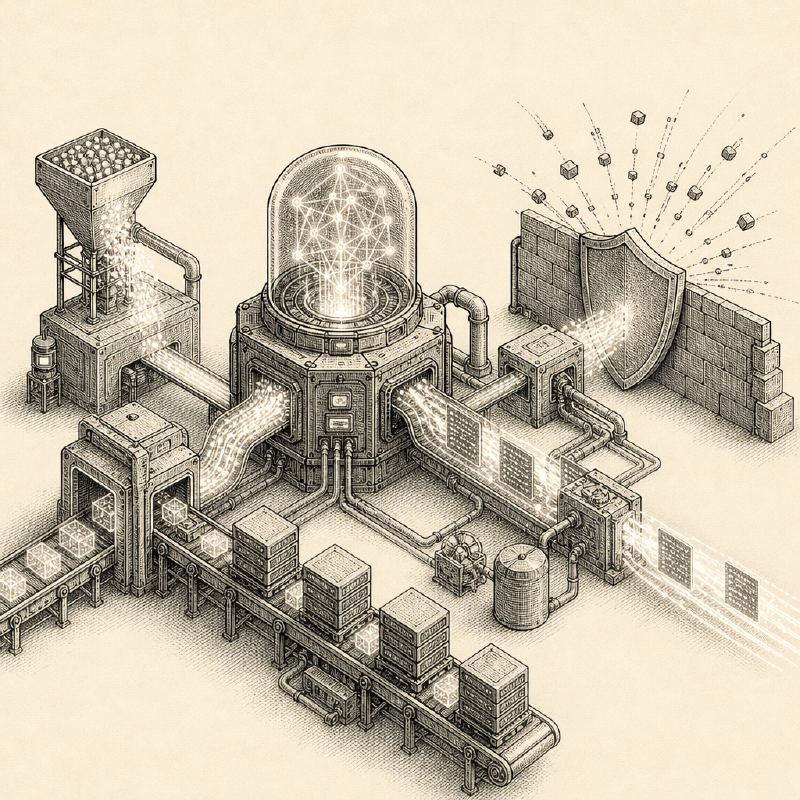
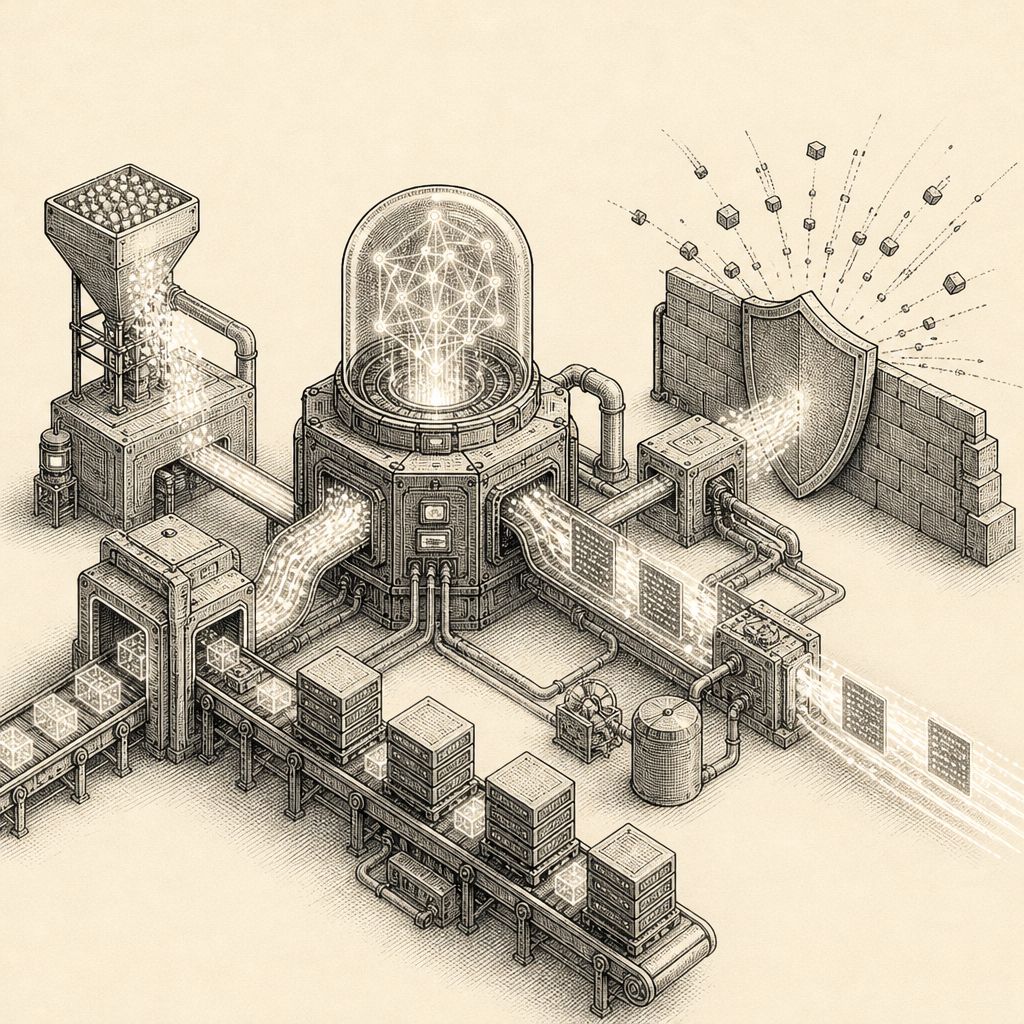
The stark reality of the current threat landscape is that attackers are already operating like highly efficient factories. Vineet Edupuganti, Cogent's co-founder and CEO, notes that AI is increasingly responsible for finding bugs, writing exploits, and even executing attacks. This stands in sharp contrast to most enterprises, which still rely on manual, ticket-based processes for defense. The gap between the speed of offense and the pace of enterprise response is precisely the problem Cogent aims to solve with its 'Cyber Defense Factory' operating model.
This factory model envisions AI agents taking over the manual, time-consuming tasks that currently move between security tools, while human security professionals define the policies these agents must follow. Cogent's enterprise platform for autonomous cyber defense begins with vulnerability management. Its AI agents create a unified inventory of all assets across cloud, on-premises, and endpoint environments, inferring ownership and business criticality. Findings from existing security tools are fed into the system, and Cogent proactively matches newly published vulnerabilities against its live software inventory, surfacing exposures before traditional scanners can even detect them.
Once a vulnerability is identified, Cogent's agents assess whether the vulnerable software is actively running and reachable. They then generate prioritized remediation work, often grouping tasks so that a single patch can address a vulnerability across numerous servers. Within defined 'autonomy zones,' agents can autonomously execute supported fixes, such as pushing remediation scripts to managed endpoints and confirming successful application. For changes outside these zones, the process is streamlined into a single ticket for human approval, with the system only closing the work after a subsequent scan verifies the fix.
The PHP2Shell incident served as a real-world test for Cogent's approach. The company's Zero Day Response system processed the advisory and mapped vulnerable assets across customer environments in an average of just five minutes, days before scanner signatures were available. This rapid analysis significantly reduced the number of affected assets requiring immediate attention, providing security teams with a highly curated list of critical exposures.
Cogent distinguishes itself as an applied AI lab focused on defensive cybersecurity, developing and deploying its own frontier reasoning models, such as VR-1, which has demonstrated superior performance on security-specific tasks compared to general-purpose AI models. This proprietary technology, combined with its Context Engine, allows Cogent to deeply understand the relationships between vulnerabilities, assets, identities, and applications, providing a comprehensive view of an organization's security posture.
The company's philosophy of 'progressive autonomy' encourages customers to gradually increase the authority of AI agents as trust is built through demonstrated results. This measured approach allows organizations to transform their cybersecurity functions, aiming for a tenfold increase in work capacity and speed, effectively building a modern, automated defense line capable of matching the pace of today's sophisticated threat actors.