
Cloudflare Workers "Issues" Feature Automates Production Bug Detection and AI Agent Remediation
Cloudflare's new "Issues" feature for Workers automatically groups production errors and forwards them to AI coding agents for automated triaging and potential fixes.
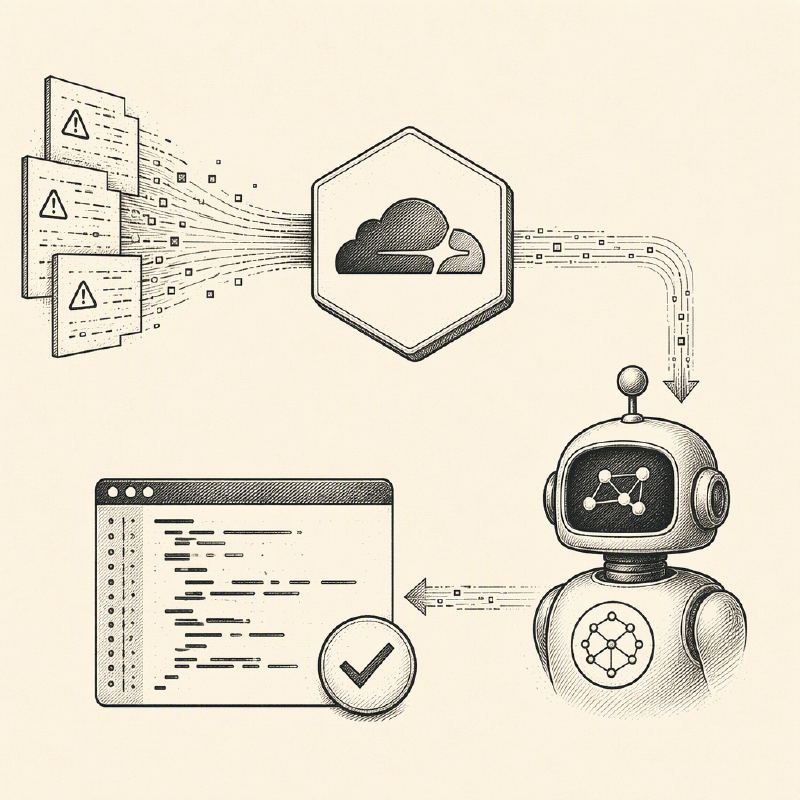
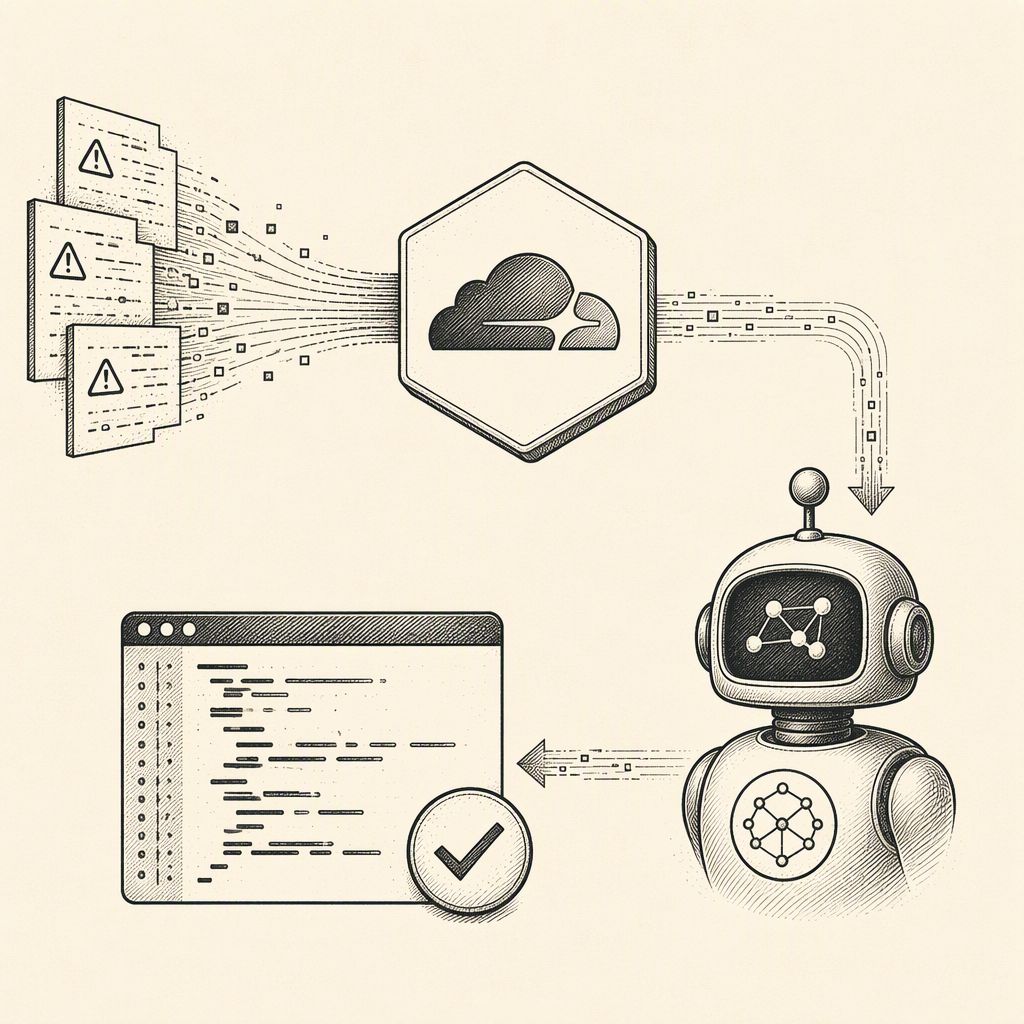
Cloudflare has launched "Issues," a new feature for its Workers platform, designed to streamline the resolution of production errors by automatically detecting, grouping, and reporting them to AI coding agents. This open beta feature aims to bridge the gap between observability data and automated remediation workflows, a critical step as AI agents become more integrated into software development.
Traditionally, even with advanced AI agents capable of querying data, navigating code, and submitting changes, the process of identifying a production bug, gathering relevant telemetry, and feeding it to an agent has remained manual. "Issues" automates this handoff. It groups repeated exceptions, HTTP 5xx responses, and error logs into a single, actionable issue. The feature then sends comprehensive context, including the error itself, stack traces, associated logs and traces, and the specific Worker version, directly to a configured coding agent.
Implementing "Issues" requires minimal effort. A single line of configuration in the wrangler.jsonc file enables the feature, which is built directly into the Workers runtime, eliminating the need for additional SDKs or application wrappers. "Issues" automatically captures uncaught exceptions, failed invocations, console.log() and console.error() outputs, and logs containing stack traces. It also flags runaway alarm conditions and code that generates excessive logs within loops, providing a broad overview of potential problems.
When an issue is detected, "Issues" provides a detailed view, showing when the error first appeared, its frequency, and its trend over time. This allows developers to quickly assess the scope and severity of a problem. For richer context, developers can leverage the Worker runtime's built-in OpenTelemetry API to add custom identifiers such as user, account, or session information. This ensures that when an issue is sent to an agent, it includes crucial business context, helping the agent prioritize and understand the impact on specific users or accounts.
The core innovation lies in the automation of sending detected issues to AI agents. Once configured, "Issues" can trigger an automation when an issue crosses a certain occurrence threshold or reappears after a quiet period. This automation can send the issue summary and diagnostic context to various destinations, including built-in coding agents like Claude Code, Cursor, or Devin, via generic webhooks to custom endpoints, or directly to chat and incident management platforms.
Cloudflare demonstrated the efficacy of "Issues" internally by using it to resolve two critical bugs within its own Workflows product in a single day. One issue involved a migration process stuck in a retry loop due to a SQLite foreign key error, while the other concerned a deletion process that could exceed a Workers subrequest limit. In both cases, "Issues" automatically flagged the problems, and the integrated AI systems were able to investigate the telemetry and propose fixes, which were then reviewed and deployed.
To get started with "Issues," users need to enable observability.issues.enabled in their wrangler.jsonc file and set up their first automation in the Cloudflare dashboard. For agents handling setup, the Cloudflare CLI can be used to inspect issues and create automations. This integration aims to significantly reduce the mean time to resolution for production incidents by leveraging AI for both detection and initial remediation.
This new feature represents a significant step towards more autonomous and efficient software development and operations. By directly connecting runtime error data with AI-powered development tools, Cloudflare is enabling teams to proactively manage production stability and accelerate the feedback loop between identifying a problem and deploying a solution.