
Cloudflare Unveils QuePaxa, a Novel Consensus Algorithm for Global Control Planes
Cloudflare's new Meerkat service utilizes QuePaxa, a consensus algorithm designed for resilience against internet volatility, unlike traditional leader-based systems.
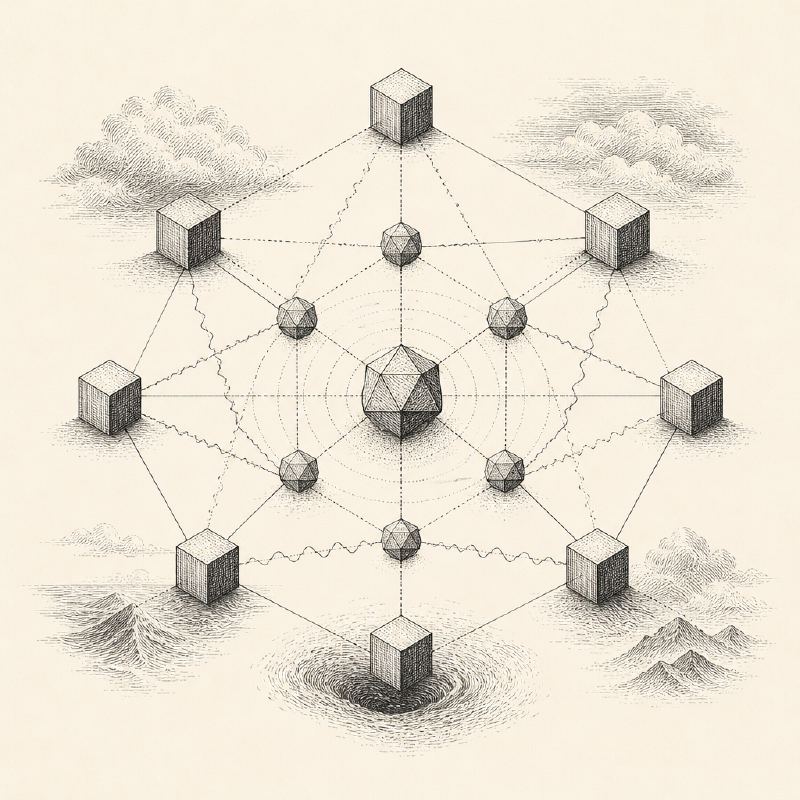
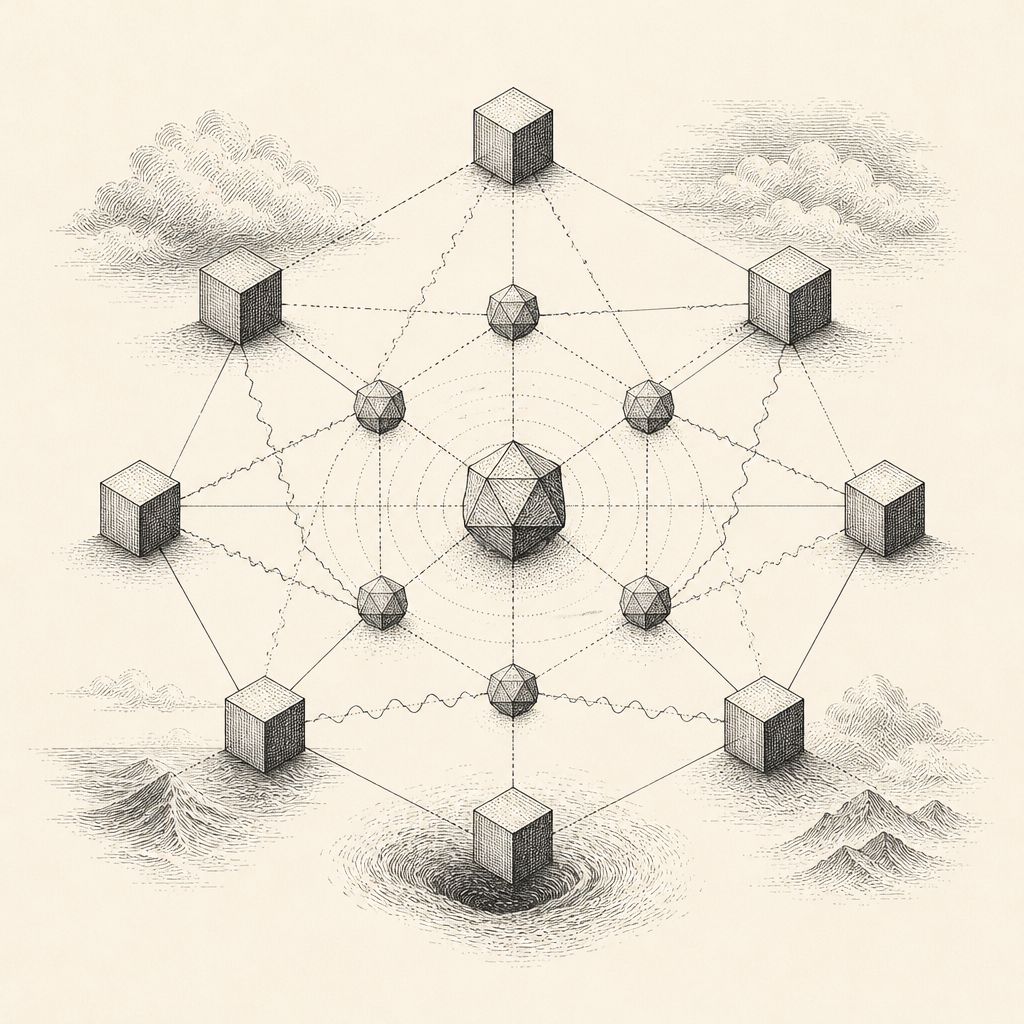
Cloudflare has introduced Meerkat, an experimental distributed consensus service built to manage its global control plane, powered by a novel algorithm named QuePaxa. This departure from established consensus protocols like Raft or Paxos is driven by the need for stability in wide-area networks characterized by high latency and volatile connectivity, conditions that often degrade the performance of traditional systems.
Meerkat operates as a distributed system where replicas agree on an ordered log of events, a critical function for maintaining a consistent global state. Consensus algorithms are fundamental to ensuring that even with component failures or network disruptions, all replicas maintain an identical view of the data, preventing divergence. This is crucial for services like Meerkat, which can be exposed as key-value stores, where data consistency is paramount.
The core challenge addressed by QuePaxa is the inherent fragility of leader-based consensus algorithms when faced with the unpredictable nature of the internet. In systems like Raft or Paxos, a single leader is responsible for proposing changes. If this leader experiences network delays or becomes temporarily unavailable, the entire system can slow down or halt, as demonstrated by a 2020 incident at Cloudflare that significantly impacted dashboard performance. Such disruptions, even without data loss, are unacceptable for critical infrastructure.
QuePaxa's design aims to circumvent these limitations by not relying on a single leader for progress. This approach is particularly beneficial for globally distributed systems like Meerkat, where network faults are more common than server failures. By avoiding the pitfalls of destructive interference—where multiple proposers can block each other—and by not being overly sensitive to network latency, QuePaxa promises greater liveness and availability.
The algorithm's architecture sidesteps common issues found in protocols like Paxos, which, in its basic form, can suffer from proposers competing and blocking each other. While leader-based protocols mitigate this by centralizing proposal authority, they introduce a single point of failure and performance bottleneck. QuePaxa's leaderless or multi-leader approach, though not fully detailed in the initial announcement, suggests a mechanism to maintain progress even when network conditions are poor or multiple nodes attempt to propose changes concurrently.
This innovation is crucial for Cloudflare's global operations, where maintaining a stable and responsive control plane is essential. By developing QuePaxa, Cloudflare is not only enhancing its internal infrastructure but also contributing a new perspective to the field of distributed systems, particularly concerning consensus in challenging network environments. The development highlights a growing trend of tailoring consensus mechanisms to specific operational needs, moving beyond one-size-fits-all solutions.
While the full technical specifications of QuePaxa are yet to be elaborated upon, its adoption by Cloudflare for a critical service like Meerkat underscores its potential. The algorithm's ability to remain stable under high latency and volatile network conditions, without the performance degradation typical of traditional consensus protocols, marks a significant advancement in building resilient distributed systems for the modern internet.