
Cloudflare Unifies Observability Platform with Eight Major Updates
Cloudflare announces eight significant updates to its observability platform, integrating logs, traces, and analytics into a single interface with simplified pricing.
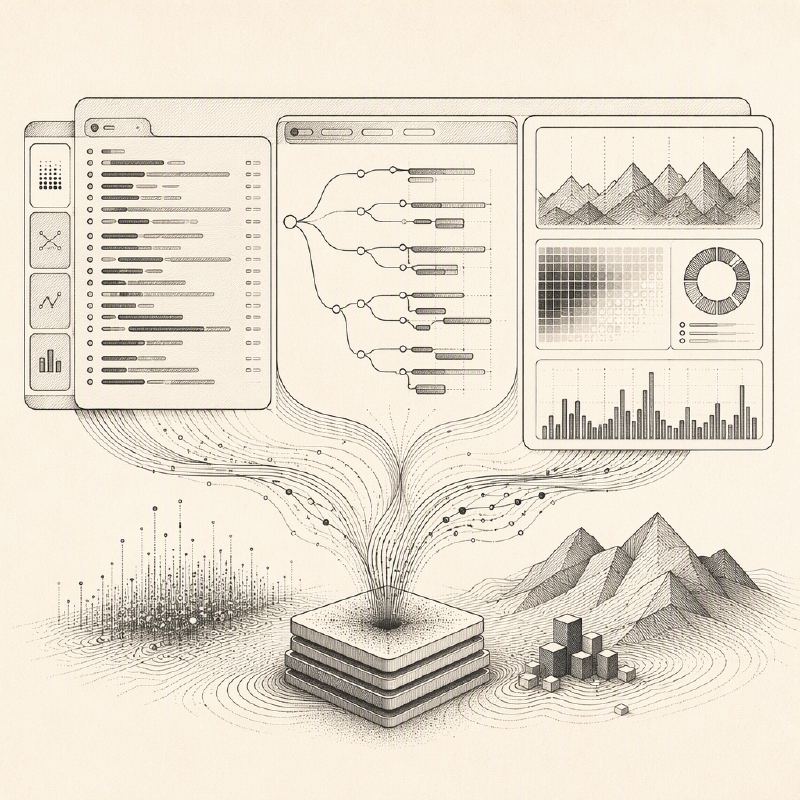
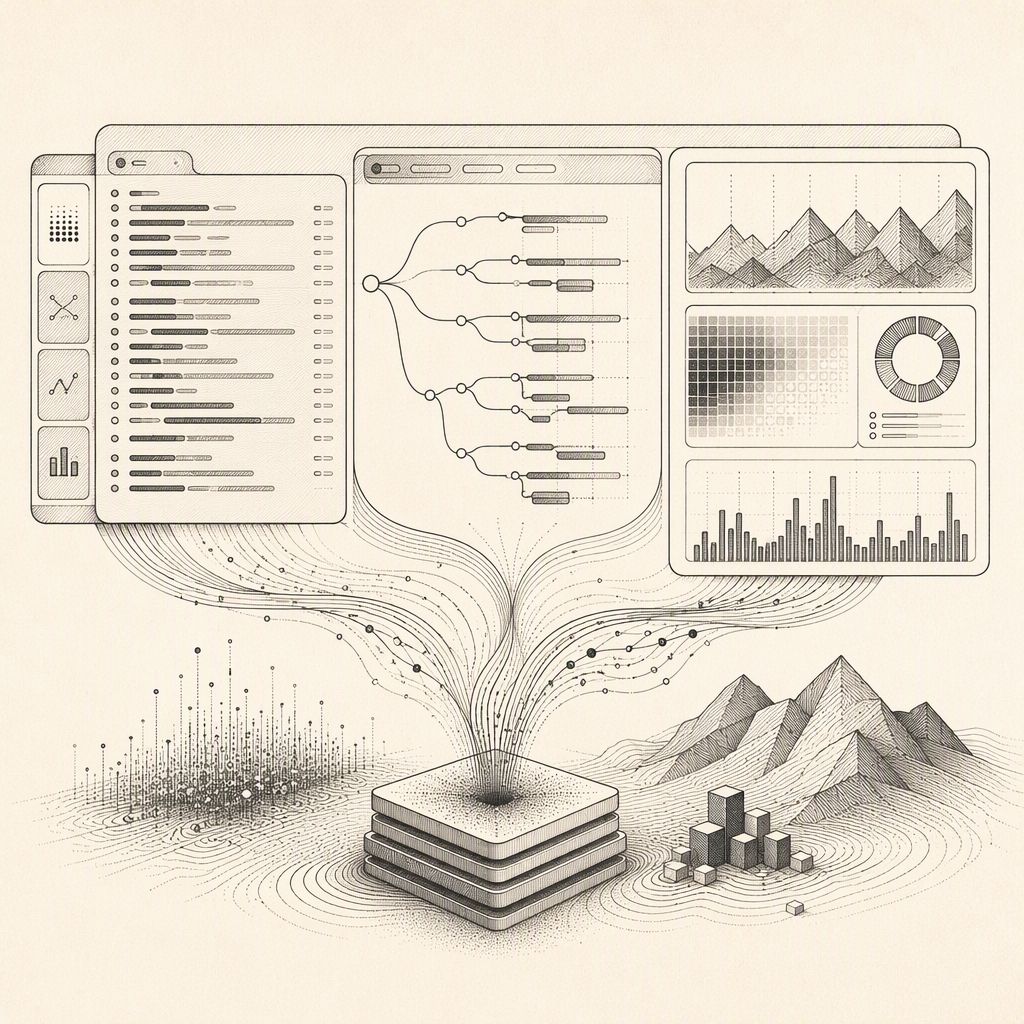
Cloudflare has rolled out eight major updates to its observability platform, aiming to provide a unified experience for managing logs, traces, analytics, alerts, and data exporting. This initiative consolidates various signals from Cloudflare's extensive product suite into a single, more accessible interface, simplifying the process of investigating issues and understanding system behavior.
The platform now offers a centralized location to explore logs from diverse Cloudflare services, including HTTP events, firewall logs, Workers, Containers, R2, and AI Gateway. Users can leverage consistent investigative tools across these datasets, starting with an anomaly like increased request latency and drilling down by hostname, data center, or Ray ID. The ability to query across multiple datasets simultaneously is also on the horizon, promising deeper correlation of events.
End-to-end tracing from Cloudflare's edge to a customer's origin is now available in open beta. This feature provides a request-level view of how traffic traverses Cloudflare's infrastructure, detailing security rule evaluations, cache decisions, routing, and Worker execution. This visibility helps users connect their Cloudflare configurations to actual request processing times and routing outcomes. Trace Rules allow for targeted, higher-rate capturing of specific traffic during investigations, and traces can be exported via OpenTelemetry.
A unified SQL API has been introduced, simplifying data querying for both human users and automated agents. This single API allows for consistent querying of telemetry data across different Cloudflare services, eliminating the need for separate integrations. The Cloudflare CLI (cf) can be used to run queries from the command line, and a native binding within Workers enables applications to directly query observability data for tasks like usage metering or automated incident response.
Cloudflare is also introducing a new, unified pricing model for all ingested and stored logs and traces, set to take effect on December 1, 2026. This model is based on the volume of data ingested and stored, rather than an event-based count, offering more predictable costs. The included usage for free plans provides 0.5 GB of ingestion daily with 7 days of retention, while paid and enterprise plans offer significantly more ingestion and storage capacity.
Custom alerts can now be configured based on observability data, allowing users to proactively monitor for specific conditions and receive timely notifications. Furthermore, custom dashboards can be built using this data, providing tailored visualizations and insights into system performance and security events. Logpush, Cloudflare's log export service, is now available on self-serve plans, broadening access to data export capabilities.
These updates represent a significant step towards Cloudflare's vision of a comprehensive, platform-wide observability solution. By unifying data sources, simplifying querying, and standardizing pricing, Cloudflare aims to reduce the complexity of issue investigation and enhance the overall operational efficiency for its users.
The move towards a unified observability platform is crucial in today's complex IT environments, where understanding system behavior requires correlating data from numerous sources. Cloudflare's integrated approach promises to deliver the complete context needed to quickly diagnose and resolve issues, ultimately improving application reliability and performance.