
Cloudflare Proposes 'Agentic Internet' to Manage AI Traffic
Cloudflare is advocating for a new internet paradigm, the 'Agentic Internet,' designed to accommodate the rise of AI agents as distinct web visitors requiring new standards for identification, interaction, and payment.
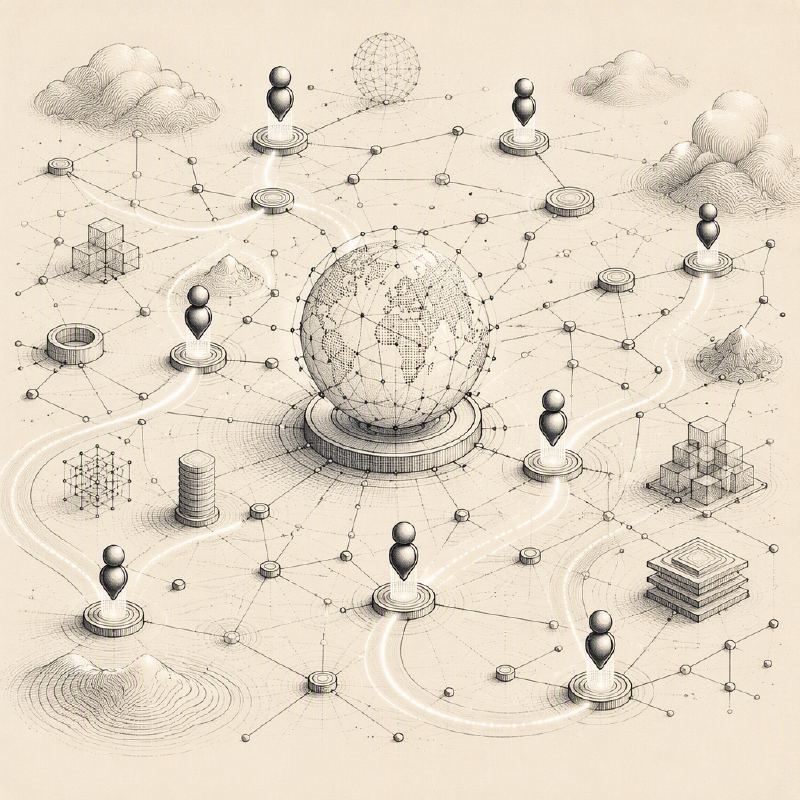
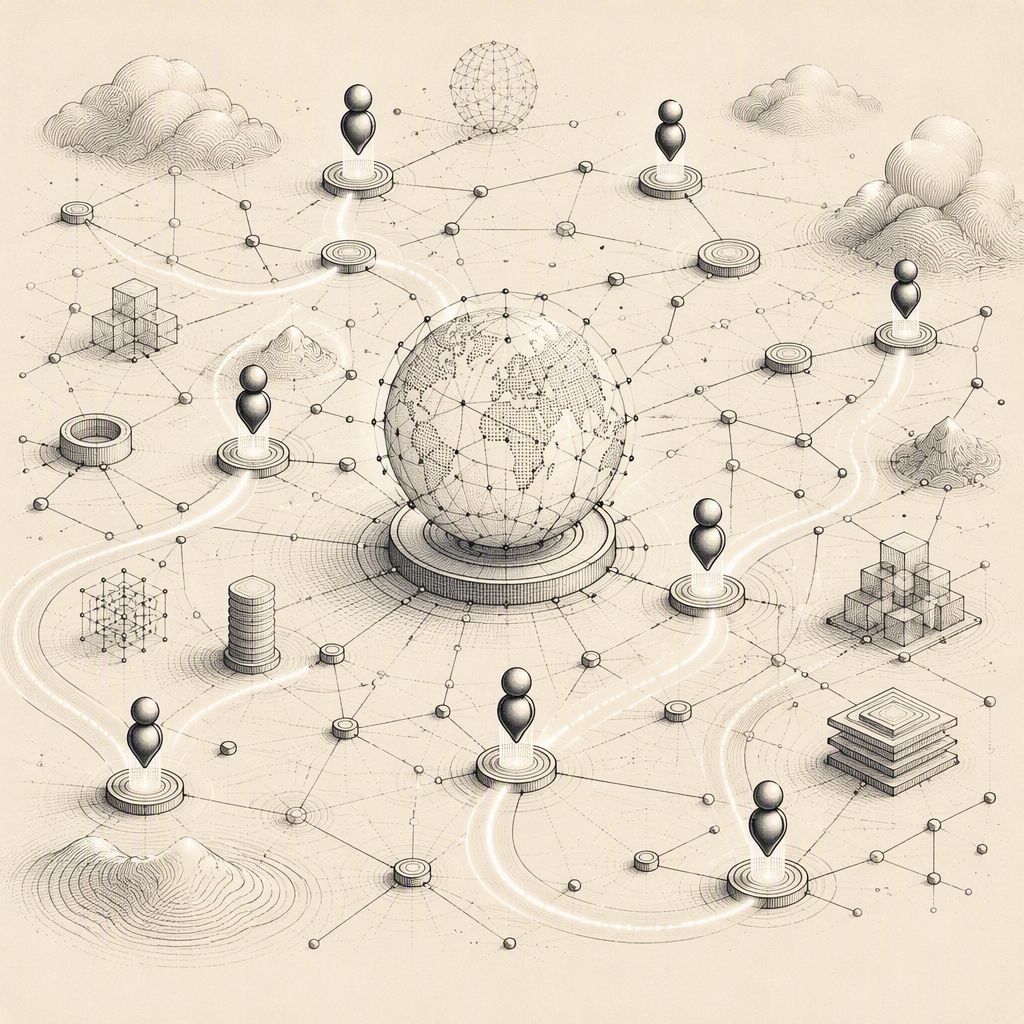
The internet as we know it was built for human interaction, but the increasing prevalence of AI agents is necessitating a fundamental shift in how web services operate and are accessed. Cloudflare, in a recent blog post, has put forth a vision for an 'Agentic Internet,' a future where AI agents are treated as first-class visitors, requiring new protocols for discoverability, callability, and payment.
This new paradigm acknowledges that AI agents, unlike human users, do not render visual content or interact with advertisements. Instead, they are programs fetching data with a specific purpose, driven by a human or business paying for their operations. This distinction is crucial, as treating agent traffic like human traffic—or worse, like generic bot traffic—risks blocking legitimate customers and hindering the development of AI-driven services. Every request made by an agent carries an economic implication, and the web's current infrastructure is ill-equipped to handle this.
To foster an open Agentic Internet, Cloudflare proposes several new standards and tools. Central to this is the concept of identity. Traditional User-Agent headers are insufficient for distinguishing sophisticated AI agents from malicious scrapers. Cloudflare is championing Web Bot Auth, a standard that allows bots to cryptographically identify themselves, enabling websites to grant or deny access based on verified agent credentials. This is complemented by Private Access Control Tokens (PACT), a standard developed with partners like Mozilla, Google, and Microsoft, which allows sites to vouch for agents anonymously, facilitating smoother access across different services.
Beyond identity, the Agentic Internet requires new ways for agents to interact with content and services. Cloudflare is introducing "Markdown for Agents," a server-side approach to deliver content in a format optimized for AI consumption, reducing bandwidth and token usage. Complementing this is Kitesurf, a new lightweight browser designed to run on Cloudflare Workers, providing agents with the necessary content and features without the bloat of human-oriented browser elements. For direct interaction, WebMCP (Web Machine Communication Protocol) is being developed to offer a native way for agents to interact with web services, enabling actions like booking appointments or renewing subscriptions.
Discoverability is another critical pillar. Agents need efficient ways to find the resources and services they require. Cloudflare's AI Search aims to make public websites searchable by agents, moving beyond traditional keyword-based search. Furthermore, Agent Engine Optimization (AEO) is proposed to help content creators and API owners understand their visibility to the AI agents their customers use, ensuring they remain discoverable in this new landscape.
Finally, the Agentic Internet must be payable. Standards like x402 are being developed to enable direct, secure payments between agents and merchants, streamlining transactions. This move towards a payable internet ensures that the economic value generated by agent activity can be properly accounted for and transacted, creating a sustainable ecosystem.
Cloudflare emphasizes that its role is to build neutral infrastructure and open standards, not to create a proprietary ecosystem. By offering these tools and advocating for these standards, Cloudflare aims to ensure that the transition to an Agentic Internet preserves the openness and accessibility of the current web, rather than leading to a fragmented, closed environment controlled by a few dominant platforms.