
Cloudflare Enhances Developer Platform Security with Granular Access Controls
Cloudflare's Developer Platform now offers granular authorization, allowing precise control over teammate and agent access to individual Workers.
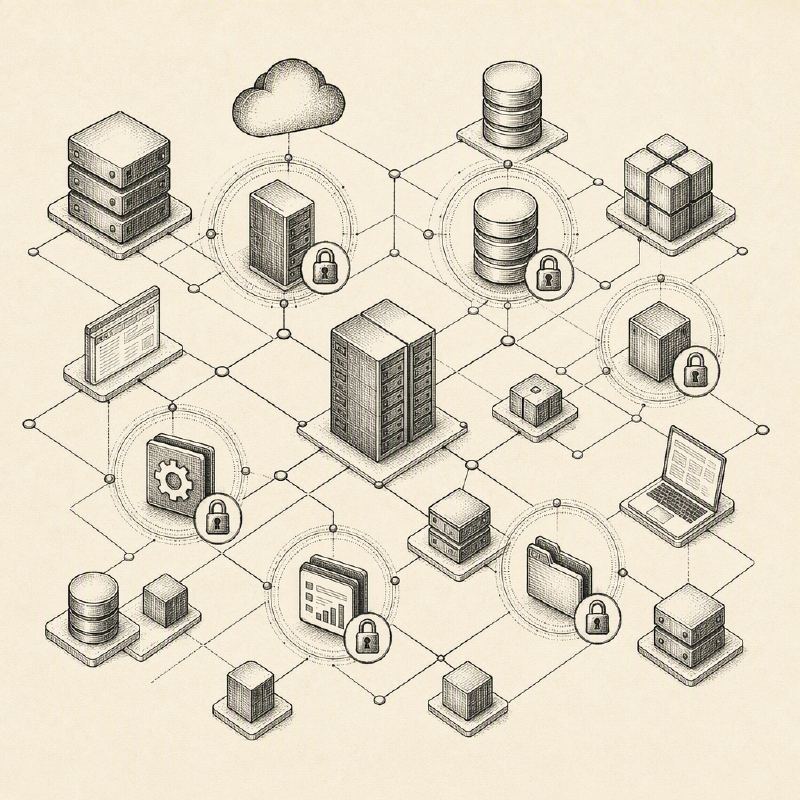
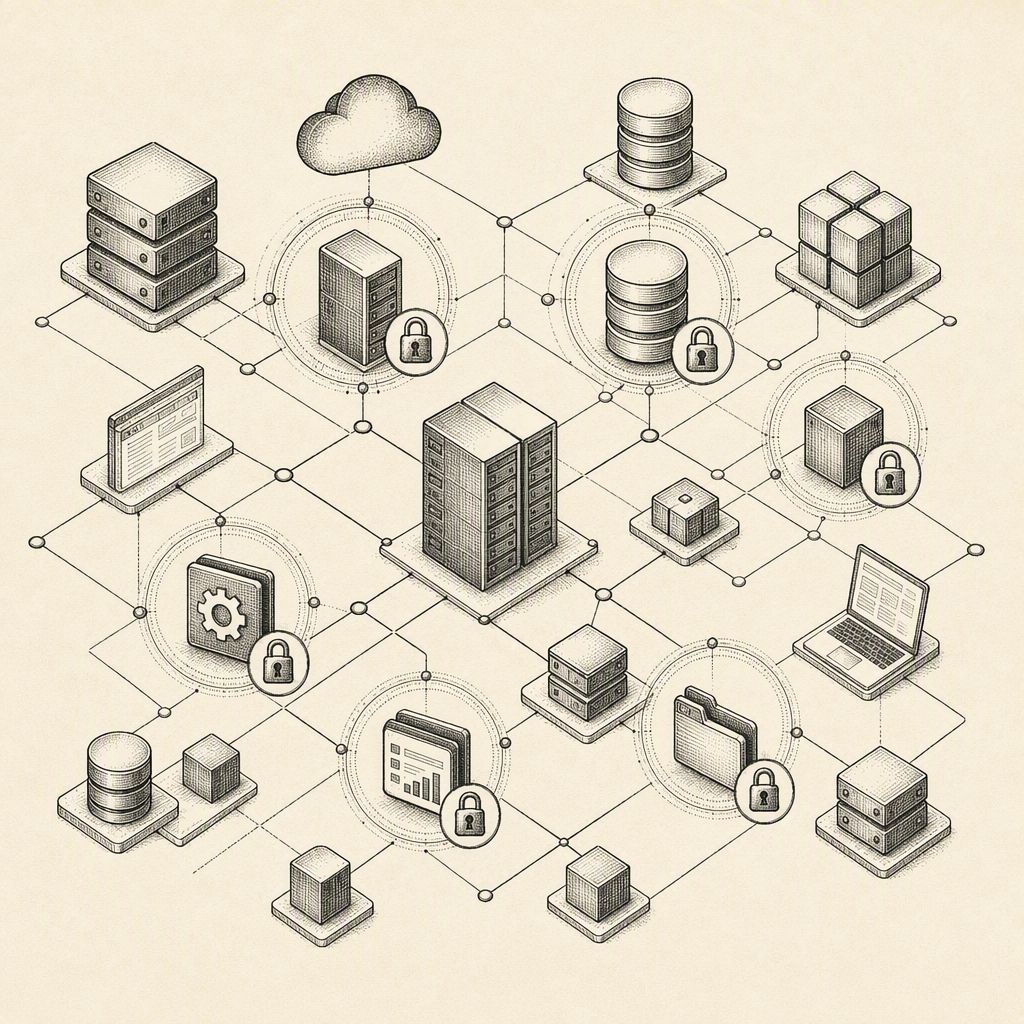
Cloudflare has rolled out granular authorization for its Developer Platform, a significant enhancement designed to bolster security for teams and automated agents building applications on its infrastructure. This new feature allows users to assign specific roles and scopes to individuals and agents, enabling the principle of least privilege to be applied directly to individual Workers.
The core of this update lies in providing fine-grained control over what actions users or agents can perform on specific Workers. This prevents scenarios where an agent, or even a human team member, might inadvertently make unauthorized changes in a production environment due to overly broad permissions. By limiting access to only the necessary resources and actions, Cloudflare aims to reduce the attack surface and mitigate risks associated with accidental misconfigurations or malicious insider threats.
Cloudflare has introduced four new roles that cater to different levels of necessary access. These roles are designed to balance usability with security, offering distinct capabilities such as "Metadata Read-Only," "Content Read-Only," "Editor," and "Admin." Each role can be further restricted by scope, which can be applied at the Developer Platform level (affecting all resources), the product level (e.g., all Workers), or the individual resource level (a single Worker). This multi-layered approach ensures that access is not only role-appropriate but also resource-specific.
For instance, the "Metadata Read-Only" role allows engineers or agents to debug issues by accessing settings, metrics, logs, and traces without being able to view or alter the Worker's source code. This is crucial for troubleshooting complex problems without exposing proprietary code. Similarly, "Content Read-Only" permits code review or analysis without the ability to deploy changes or modify settings, providing a safe environment for code inspection.
The "Editor" role is tailored for continuous integration and continuous deployment (CI/CD) workflows, granting the necessary permissions to deploy new code to a specific Worker. However, this role is intentionally limited, preventing the deletion of the Worker or any interference with other applications. This containment is vital for CI/CD pipelines, ensuring that a compromised token or misconfiguration only affects the intended application.
Even the highest "Admin" role, which includes the ability to delete a Worker, can be scoped to a single resource. This prevents accidental or malicious deletion of an entire suite of applications. Furthermore, managing routes and custom domains for a Worker now requires a combination of "Editor" access to the Worker and specific "Workers Routes" permissions, separating domain management from application deployment and preventing unauthorized traffic redirection.
These new roles and scopes are designed to be extended to other Cloudflare Developer Platform products, including D1, R2, and KV. This consistent application of access controls across different services will simplify security management for organizations utilizing Cloudflare's broader ecosystem. The ability to manage access at the resource level, rather than just account-wide, represents a significant step forward in cloud-native security practices.
The granular authorization features are available immediately to all Cloudflare customers. Users can implement these controls through the Cloudflare dashboard or by creating API tokens with specific scopes, making it adaptable for both human users and automated systems. This move by Cloudflare aligns with the growing industry trend towards more sophisticated and granular access management in cloud environments.