
Cisco Talos Researchers Detail Strategies to Frustrate Adversaries
Cisco Talos researchers have outlined practical defense strategies to disrupt and deter cyber adversaries, emphasizing deception, behavioral detection, and breaking attack dependencies.
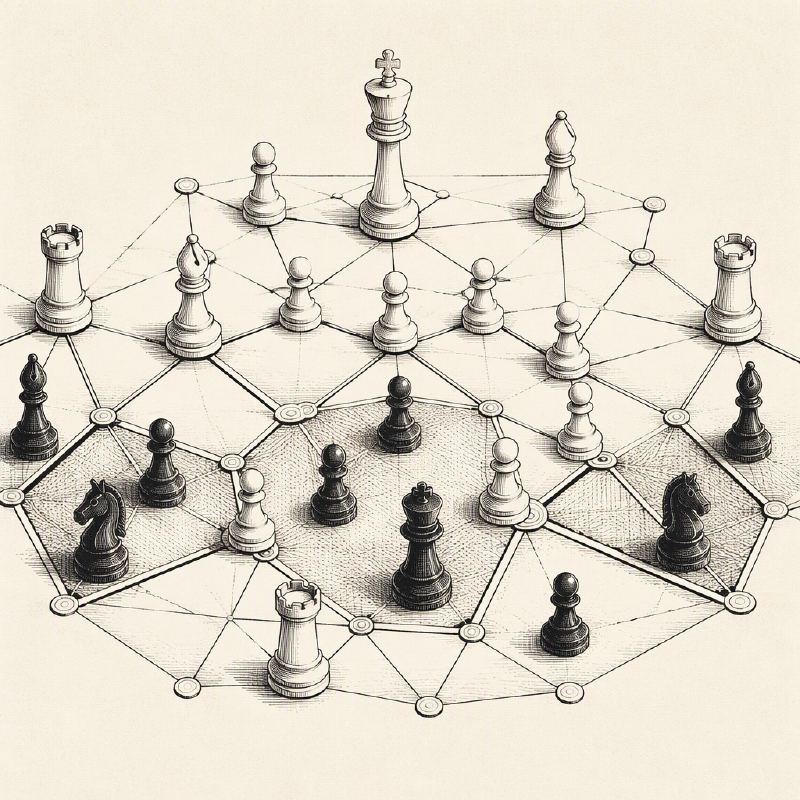
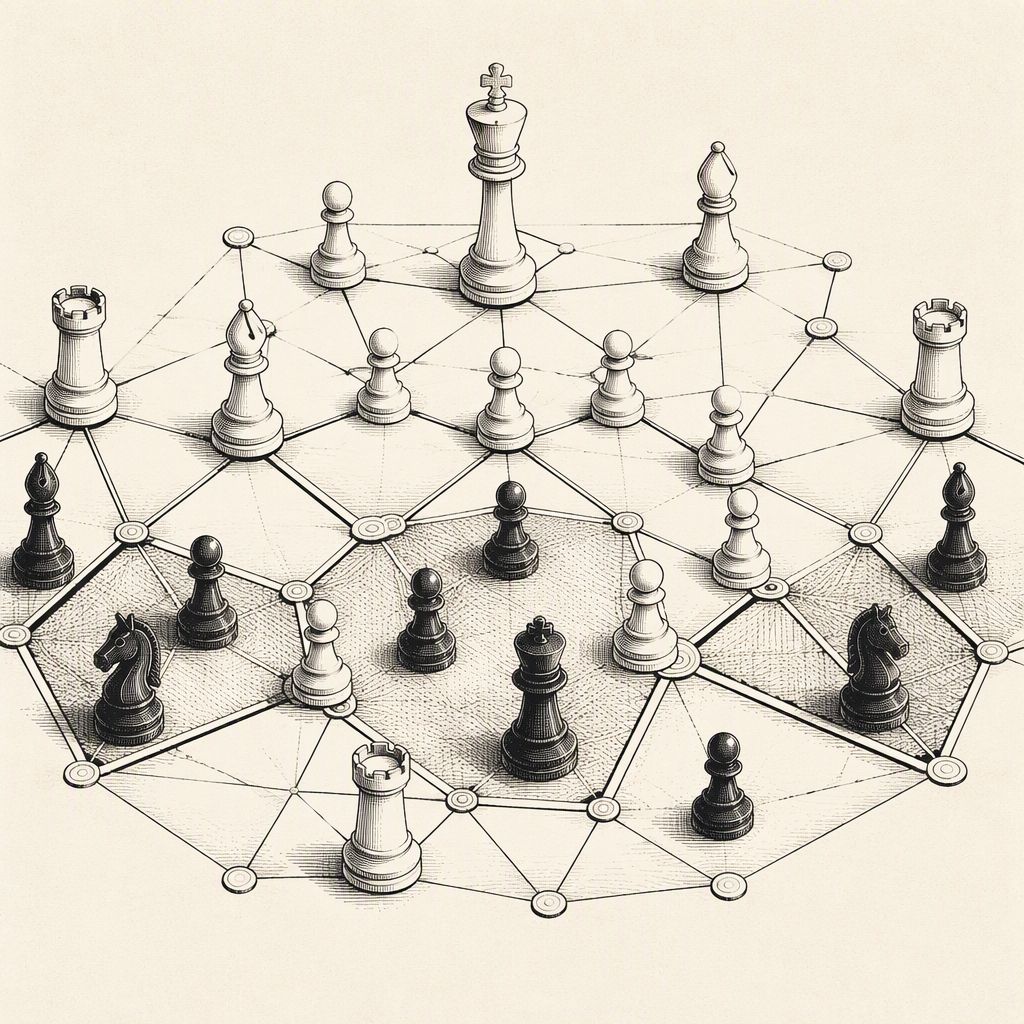
In recognition of Cybersecurity Awareness Month, eight researchers from Cisco Talos have collaboratively shared a compendium of actionable techniques designed to frustrate cyber adversaries at various stages of their operations. The overarching theme is to make an adversary's job significantly harder, thereby increasing the likelihood of their detection and eventual failure.
One of the core strategies highlighted involves the implementation of deception techniques. These include the deployment of honeypot accounts, the creation of false infrastructure, and the use of "tarpits" – methods that can intentionally slow down an adversary's progress while simultaneously providing defenders with earlier indicators of malicious activity. By introducing elements that appear legitimate but are monitored, security teams can gain valuable intelligence on attacker tactics, techniques, and procedures (TTPs) before they impact critical systems.
Beyond deception, the researchers advocate for robust behavioral detections. This approach focuses on identifying the underlying intent and actions of an adversary rather than solely relying on signature-based detection of specific tools or malware. By closely controlling legitimate remote-management tools and establishing clear boundaries for the use of AI agents within an organization's environment, defenders can make essential adversary actions more visible and easier to interrupt. This shift from tool-centric to behavior-centric detection is crucial for staying ahead of evolving threats.
A key principle emphasized is the importance of breaking dependencies between different stages of an attack chain. Adversaries often rely on a predictable sequence of actions to achieve their objectives, moving from initial access to privilege escalation, lateral movement, and finally, data exfiltration or disruption. By introducing friction or unexpected obstacles at any of these stages, defenders can prevent an adversary from reaching their next critical objective, effectively halting the attack in its tracks.
The article also touches upon the concept of making an organization "unique" from a security perspective. Many adversaries rely on common configurations and widely applicable attack vectors. By implementing non-standard security measures, restricting access to critical servers, and closely monitoring any changes to administrative privileges, organizations can make it more difficult for attackers to leverage their usual playbooks. This tailored approach increases the risk and cost associated with common attack methods.
Deception, in particular, is presented as a powerful tool to introduce uncertainty for the adversary. Creating honeypot email accounts using expired domains or fictional employee profiles can yield early warnings about malicious campaigns. Similarly, setting up fake servers, shares, or user accounts can confuse and slow down attackers, providing detection opportunities. This principle extends to slowing down automated systems, including AI-driven scrapers, by overwhelming them with incoherent data.
Ultimately, the goal is to shift the advantage from the attacker to the defender. By taking away an adversary's choices, increasing the risk associated with their essential actions, and forcing them to constantly adapt and change their plans, organizations can significantly increase the cost and difficulty of mounting a successful attack. Each forced change of plan drains adversary resources and time, potentially leading them to abandon the target and seek easier prey elsewhere.
The collective insights from Cisco Talos researchers offer a strategic framework for cybersecurity professionals to proactively build more resilient defenses. By embracing deception, focusing on behavioral analytics, and strategically disrupting attack chains, organizations can move beyond a purely reactive stance to actively frustrate and deter cyber threats.