
CISA Warns of Critical Buffer Overflow in Rockwell Automation Logix Platform
CISA has issued a critical advisory for Rockwell Automation's Logix Platform, detailing a buffer overflow vulnerability that can lead to major system failures.
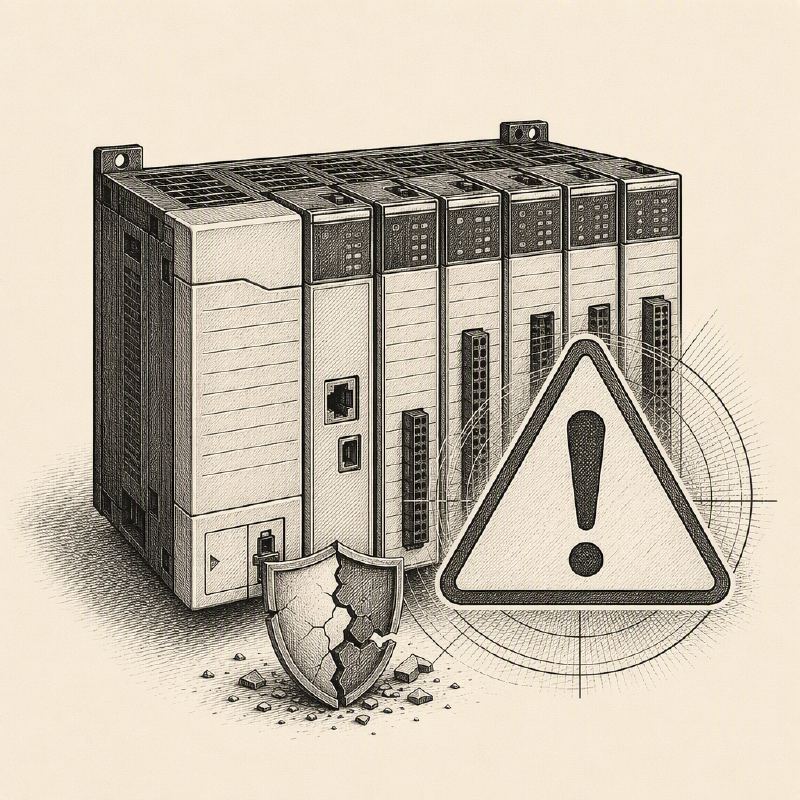
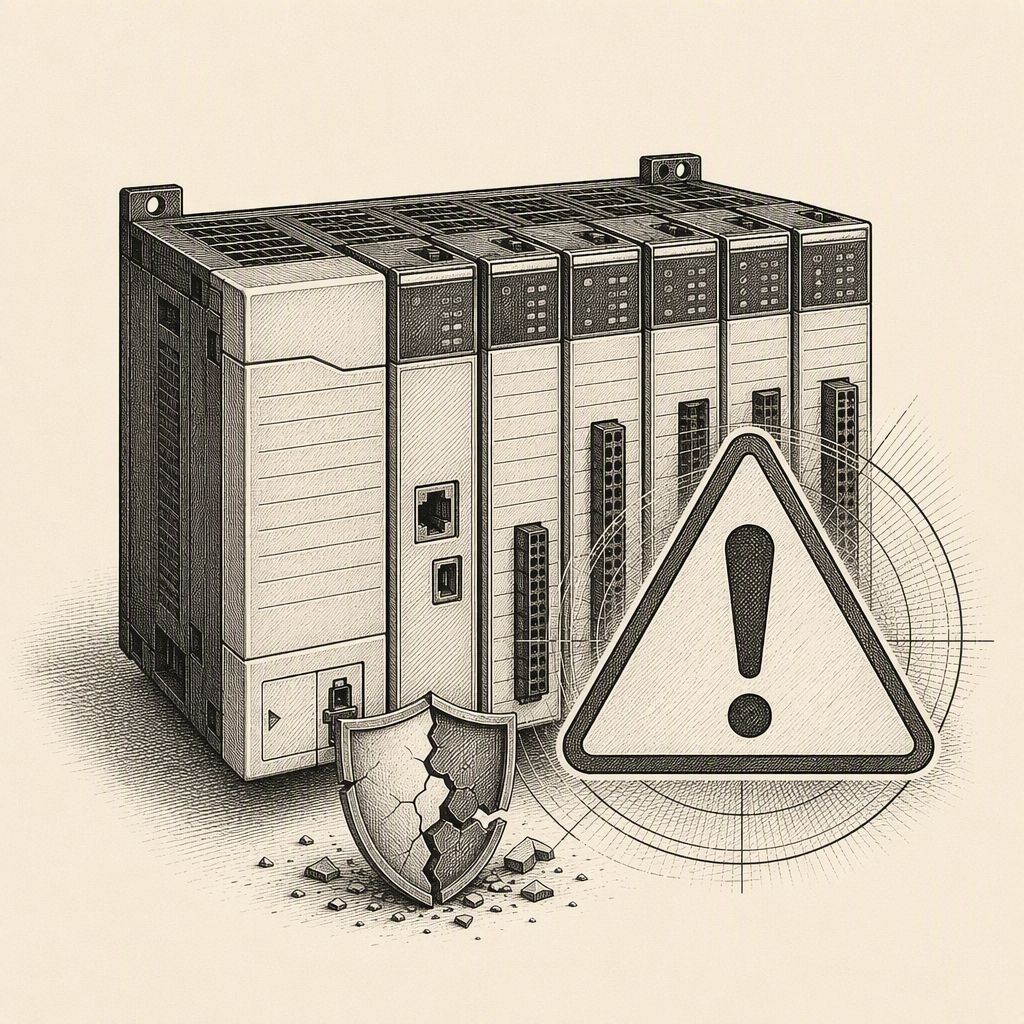
CISA has issued a critical advisory for Rockwell Automation's Logix Platform, highlighting a buffer overflow vulnerability that poses a significant risk to industrial control systems. The vulnerability, identified as CVE-2026-9637, affects multiple product lines including ControlLogix, CompactLogix, GuardLogix, and Compact GuardLogix across various firmware versions.
The flaw stems from improper validation of input length during the processing of CIP (Common Industrial Protocol) messages. This oversight allows remote, unauthenticated attackers to trigger a buffer overflow, which can result in a major nonrecoverable fault (MNRF) on the affected devices. Such a fault would necessitate a complete power cycle to restore functionality, leading to potentially extensive operational downtime.
The affected versions span a wide range, including ControlLogix 5580 and CompactLogix 5380 series running firmware up to V33, and specific sub-versions within V34, V35, and V36. Similar vulnerabilities are noted for the GuardLogix 5580 and Compact GuardLogix 5380 series, affecting the same firmware ranges. The widespread use of these platforms in critical manufacturing environments worldwide underscores the potential impact of this vulnerability.
Rockwell Automation has provided specific firmware updates to address the issue. Users are advised to upgrade to firmware version V37.011 for certain products, or specific patched versions for others, including V34.015, V35.014, and V36.013. For organizations unable to immediately apply these updates, Rockwell recommends adhering to security best practices to mitigate risks.
CISA emphasizes general best practices for securing industrial control systems, including minimizing network exposure, isolating control system networks behind firewalls, and using secure remote access methods like VPNs. The agency also advises performing thorough impact analyses and risk assessments before implementing any defensive measures.
While no public exploitation of this specific vulnerability has been reported to CISA at this time, the nature of the flaw—a remote, unauthenticated denial-of-service condition—makes it a prime target for disruptive attacks. The CVSS v3.1 score of 7.5 (High) and CVSS v4.0 score of 8.7 (High) reflect the severity and potential impact of successful exploitation.
This advisory serves as a crucial reminder for organizations relying on Rockwell Automation's industrial control systems to prioritize patching and security hygiene. The potential for a major, nonrecoverable fault highlights the importance of proactive vulnerability management in operational technology (OT) environments to prevent costly disruptions and ensure system integrity.
This advisory from CISA details a specific denial-of-service vulnerability, CVE-2021-42260, affecting multiple Rockwell Automation Logix products. The vulnerability allows for a major nonrecoverable fault if triggered by crafted data, requiring a program download or stage 2 reset for recovery. Rockwell Automation has released updated firmware versions to address this issue.