
CISA Warns of Active AI-Powered Attacks Targeting Siemens S7 PLCs
CISA, NSA, FBI, DOE, and EPA alert operators to an active threat using AI-generated scripts to exploit vulnerable Siemens S7 Series PLCs, posing risks to critical infrastructure.
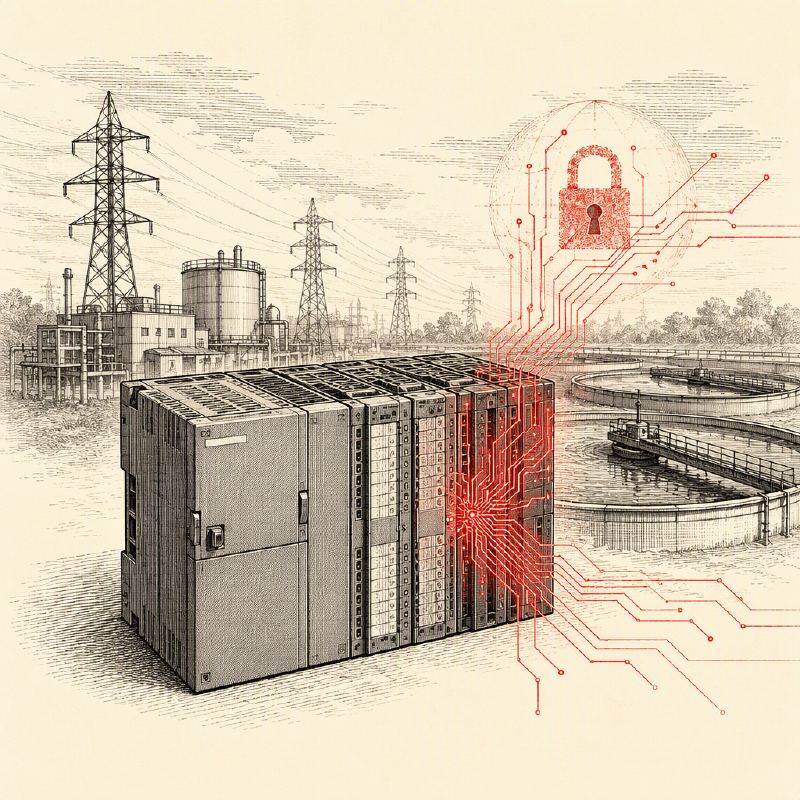
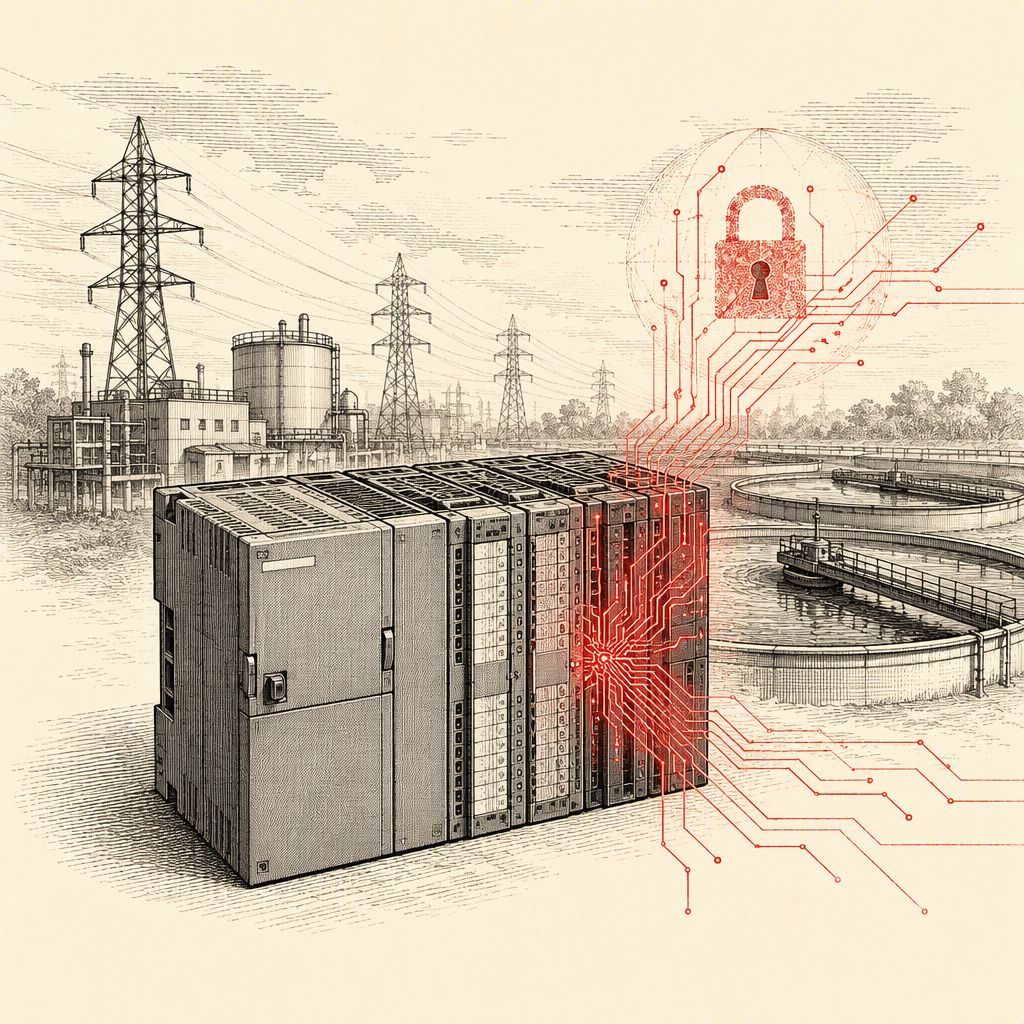
A coordinated alert from multiple U.S. government agencies—CISA, NSA, FBI, DOE, and EPA—warns of an active and evolving cyber threat targeting Siemens S7 Series programmable logic controllers (PLCs). Threat actors are leveraging artificial intelligence to generate sophisticated exploitation scripts, significantly lowering the technical barrier to entry for attacks against industrial control systems (ICS).
The adversaries are actively scanning the internet for exposed or poorly secured Siemens S7 Series PLCs, particularly those running outdated software. The identified targets include a wide range of Siemens PLC models, such as the S7-200, S7-300, S7-400, S7-1200, and S7-1500 series, including safety controllers. This broad targeting underscores the potential impact across various critical infrastructure sectors.
Key sectors identified as most at risk include Critical Manufacturing, Energy, Water and Wastewater, Chemical, Food and Agriculture, and Commercial Facilities. The agencies emphasize that this is not a theoretical risk but an active threat, with potential consequences ranging from disruption of industrial processes and safety incidents to equipment damage, data compromise, and cascading failures across interconnected systems.
Technically, threat actors are employing AI to rapidly develop and iterate on exploit code. They are using open-source libraries like snap7.dll and Python wrappers to gain unauthorized read/write access to PLC memory, configuration data, and ladder logic programs via the S7comm protocol. These AI-generated scripts are often disguised as legitimate monitoring tools to evade detection by security teams.
Furthermore, threat actors are exploiting weak or default credentials and taking advantage of devices that are insufficiently segmented from the internet. The use of AI allows adversaries to quickly adapt to defensive measures and efficiently identify exploitable vulnerabilities, making the attack lifecycle significantly faster and more potent than traditional methods.
The authoring agencies urge all owners and operators of operational technology (OT) systems, especially those using Siemens S7 Series and other PLC devices, to implement critical security measures. These include inventorying all PLCs, applying all applicable security patches and updates, isolating PLCs from the internet where possible, strengthening access controls, and deploying security tooling to monitor for anomalous activity.
These mitigations are particularly crucial for organizations that rely on third-party service providers or system integrators who may have remote access to PLCs. Asset owners must ensure they are aware of and actively managing the security posture of their OT environments, even when external parties are involved.
The agencies assess that this pattern of activity is likely part of a broader reconnaissance effort aimed at developing capabilities for future disruptive operations. Proactive defense and vigilance are paramount to protecting these critical systems from exploitation.
This updated advisory from the NSA and FBI highlights an active threat where threat actors are leveraging AI-generated exploit scripts to target Siemens S7 Series PLCs. The campaign involves reconnaissance and capability development against U.S. installations, with hackers using internet scanning to find exposed PLCs. The agencies emphasize that this is not a theoretical risk and exploitation could lead to significant operational disruptions, safety incidents, and cascading impacts across interconnected systems.
This new report from CyberScoop adds further detail to the ongoing threat posed by AI-fueled attacks against Siemens S7 PLCs. It highlights that the threat is considered "active" rather than theoretical and emphasizes the specific use of AI-generated exploitation scripts, which significantly lowers the barrier to entry for attackers. The article also notes that this is the first time CISA has explicitly mentioned AI-scripted attacks against OT systems in a CSA, indicating a notable escalation in threat actor capabilities.
This advisory provides further detail on the active exploitation of Siemens S7 PLCs, noting that threat actors are leveraging AI-generated exploitation scripts and open-source libraries like snap7.dll to probe and manipulate S7-200 through S7-1500 series controllers. The attackers are using internet scanning services to locate exposed devices and are exploiting default credentials, with current activity focused on reconnaissance and capability development rather than immediate sabotage.
This advisory expands on previous warnings by detailing how threat actors are using AI to generate exploitation scripts for initial access and post-exploitation activities specifically targeting Siemens S7 Series PLCs. It highlights the use of legitimate scanning services like Censys and ZoomEye to identify vulnerable devices, and notes that AI is also assisting with lateral movement and evasion techniques by mimicking legitimate OT monitoring solutions.
This Tenable Blog post provides a detailed FAQ addressing the recent joint cybersecurity advisory concerning active threats to Siemens S7 Series PLCs. It clarifies that the threat actors are leveraging AI to accelerate the development of exploit scripts, which are disguised as legitimate operational technology monitoring tools. The FAQ also distinguishes this activity from the previously reported Iranian-linked PLC campaign, noting that while both target PLCs, this new advisory focuses specifically on Siemens S7 devices and does not attribute the attacks to a named threat actor.
This latest advisory from the U.S. government highlights that the AI-generated exploit scripts are being disguised as legitimate monitoring tools, a tactic aimed at evading detection. The threat actors are specifically using these scripts for reconnaissance and capability development against Siemens S7 Series PLCs, indicating a sophisticated and evolving approach to targeting industrial control systems.
This week's Risky Business podcast highlights that Iranian hackers are suspected to be behind the widespread AI-enabled attacks targeting Siemens PLCs in critical US sectors. This follows a separate incident where Iranian actors were blamed for taking down a UK power generator, suggesting a pattern of increasingly sophisticated and potentially AI-assisted cyber operations against industrial control systems.