
CISA's Logging Guidance Extends Beyond Federal Agencies
CISA's new Logging Reference Architecture (LRA) aims to improve cybersecurity logging strategies for federal agencies, with recommendations applicable to critical infrastructure and other government organizations.
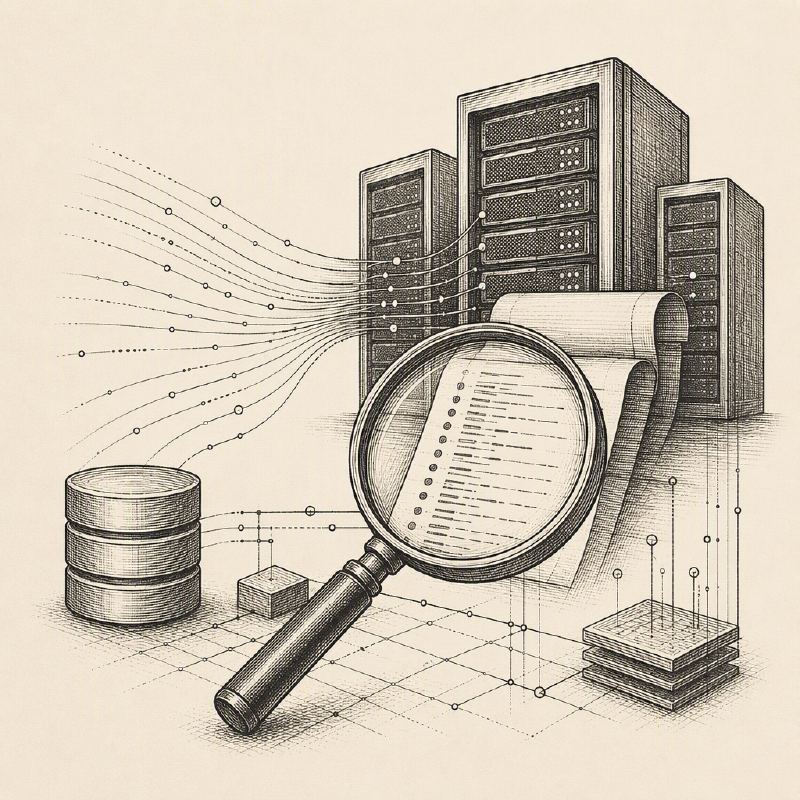
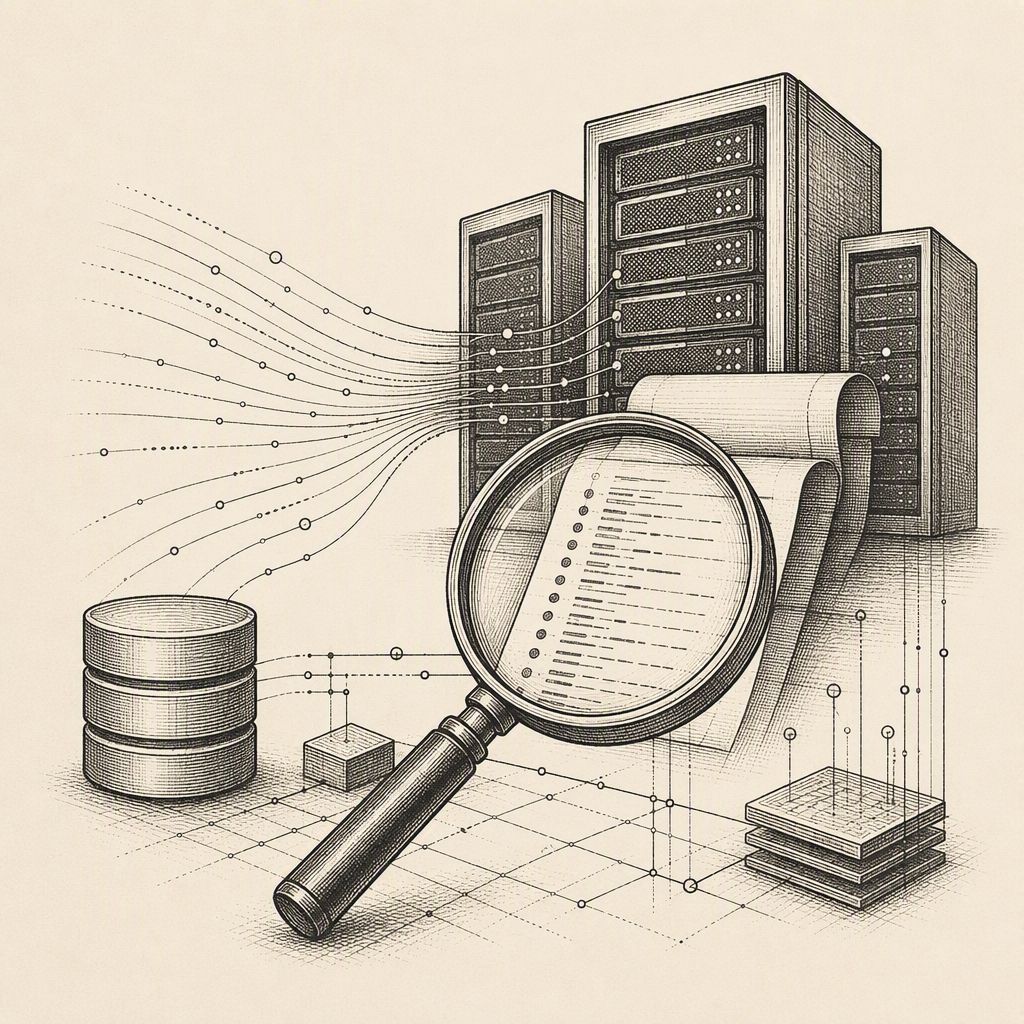
The U.S. Cybersecurity and Infrastructure Security Agency (CISA) has released its Logging Reference Architecture (LRA), a new set of guidance designed to help federal agencies fundamentally rethink their approach to cybersecurity logging. The core principle behind the LRA is to ensure that collected logs are not just stored, but are actively usable for detecting and reconstructing cyberattacks when they occur. This initiative is directly tied to the requirements outlined in OMB Memorandum M-26-14, which mandates enhanced logging capabilities for federal entities.
The LRA provides a framework for agencies to assess and improve their logging strategies, focusing on critical aspects such as log collection, storage, retention, and analysis. By emphasizing the practical utility of logs in incident response, CISA aims to move beyond mere compliance and foster a more proactive and effective security posture. The architecture outlines best practices for ensuring log integrity, security, and accessibility, which are crucial for timely threat detection and forensic analysis.
While developed to assist U.S. federal civilian agencies in meeting specific regulatory requirements, CISA explicitly encourages broader adoption. The agency is urging critical infrastructure operators, state, local, and tribal governments, and other public sector organizations to leverage the LRA. This extension of the guidance acknowledges that robust logging practices are essential for a wide range of organizations facing similar cybersecurity threats, regardless of their specific sector or governmental affiliation.
The guidance emphasizes the importance of collecting the right types of logs, from the appropriate sources, and in a standardized format that facilitates analysis. It addresses the challenges of managing vast amounts of log data, suggesting strategies for efficient storage and retrieval. The LRA also touches upon the need for skilled personnel and appropriate tools to effectively monitor and analyze log data for suspicious activities.
By promoting the LRA, CISA seeks to establish a common baseline for effective logging practices across the nation's critical infrastructure and government systems. This unified approach is intended to enhance the collective ability to defend against sophisticated cyber threats, improve incident response times, and strengthen overall national cybersecurity resilience. The agency believes that by adopting these principles, organizations can significantly reduce their attack surface and mitigate the impact of potential breaches.
The release of the LRA comes at a time when cyberattacks are becoming increasingly sophisticated and frequent. Effective logging is a foundational element of any mature cybersecurity program, providing the visibility needed to understand attack vectors, identify compromised systems, and prevent future incidents. The guidance serves as a vital resource for organizations looking to bolster their defenses in an evolving threat landscape.