
CISA Releases Comprehensive Guidance on Open Source Software Security
CISA has published new guidance to help agencies securely use, evaluate, and publish open source software, covering the full lifecycle and introducing the C4 Framework.
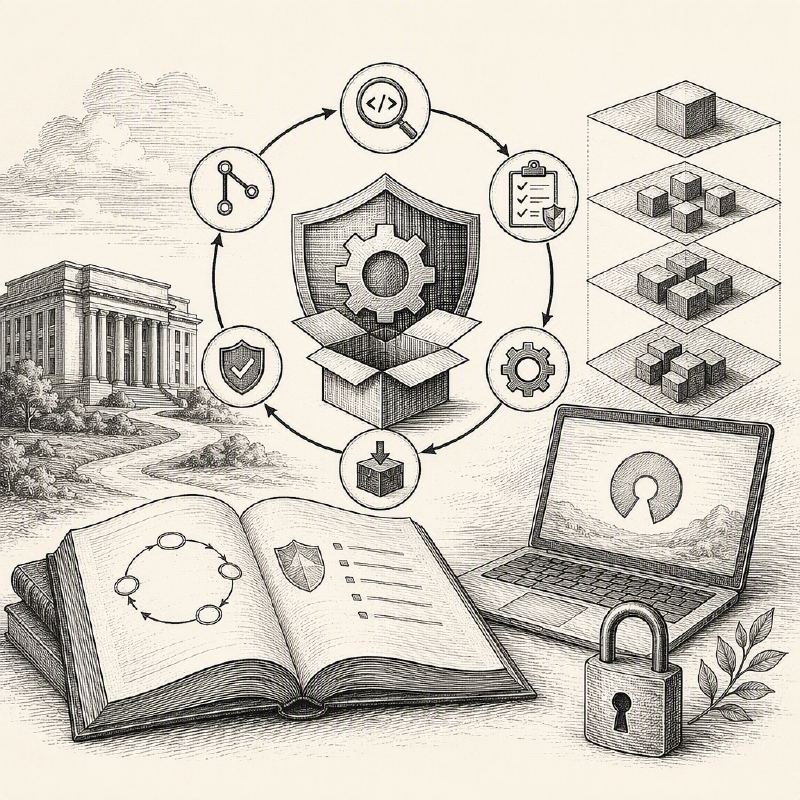

The U.S. Cybersecurity and Infrastructure Security Agency (CISA) has released a significant new resource titled "Open Source Software: Security Principles and Practices." This guidance is designed to equip federal agencies with the knowledge and tools necessary to securely manage open source software (OSS) throughout its entire lifecycle, from initial use and evaluation to its eventual publication.
OSS is a foundational component of modern technology, underpinning everything from everyday business applications to the critical infrastructure that powers nations. Recognizing its pervasive nature, CISA's guidance aims to provide a structured approach to managing the inherent risks associated with OSS. It emphasizes a proactive stance, encouraging agencies to embed security considerations into every stage of OSS adoption and development.
The document introduces the C4 Framework, a novel approach to assessing the trustworthiness of OSS components. This framework provides a systematic method for evaluating the security posture of open source projects, enabling agencies to make more informed decisions about which software to integrate into their systems. By offering a standardized assessment methodology, CISA seeks to enhance transparency and accountability in the OSS ecosystem.
Furthermore, the guidance offers concrete recommendations across several key areas of software security. These include best practices for vulnerability management, ensuring that known weaknesses are identified and remediated promptly. It also highlights the importance of Software Bills of Materials (SBOMs), which provide detailed inventories of all components within a piece of software, thereby improving visibility and aiding in the management of supply chain risks.
Secure development practices are another core focus, with the guidance outlining principles for building and maintaining OSS in a manner that minimizes the introduction of security flaws. This includes recommendations on code review, testing, and secure coding standards. The aim is to foster a culture of security within development teams working with or contributing to open source projects.
In addition to traditional software security concerns, CISA's guidance addresses the emerging challenges posed by artificial intelligence within the OSS landscape. It provides recommendations for handling open source AI systems, acknowledging the unique security considerations that arise with these rapidly evolving technologies. This forward-looking approach ensures that the guidance remains relevant in the face of technological advancements.
CISA encourages feedback on this new resource and directs users to its dedicated Open Source Security webpage for additional information and tools. The agency is also committed to ensuring accessibility for individuals with disabilities, providing contact information for those who require assistance with the document's format or content.
This comprehensive guidance represents CISA's ongoing commitment to strengthening the cybersecurity posture of federal agencies and the broader digital ecosystem by promoting secure and responsible practices in the use and development of open source software.
The new guidance specifically addresses the security implications of open-weight AI models, cautioning federal agencies about potential licensing transparency limitations. It also emphasizes the need to evaluate the trustworthiness of open-source projects before adoption and outlines strategies for managing vulnerabilities when immediate patches are unavailable, offering a more nuanced approach than simply tracking CVEs.
This updated guidance from CISA specifically addresses the security considerations for open-source AI systems, noting that models released under open-source licenses may not include their training data. This lack of visibility into the training process necessitates stricter risk management practices if provenance cannot be fully established, treating such systems more like proprietary software with incomplete transparency.