
CISA Recommends Cyber Decoys to Detect Intruders Already Inside Networks
CISA has issued new guidance for critical infrastructure organizations, urging them to deploy cyber decoys like fake files and credentials to detect and disrupt attackers who have already breached network perimeters.
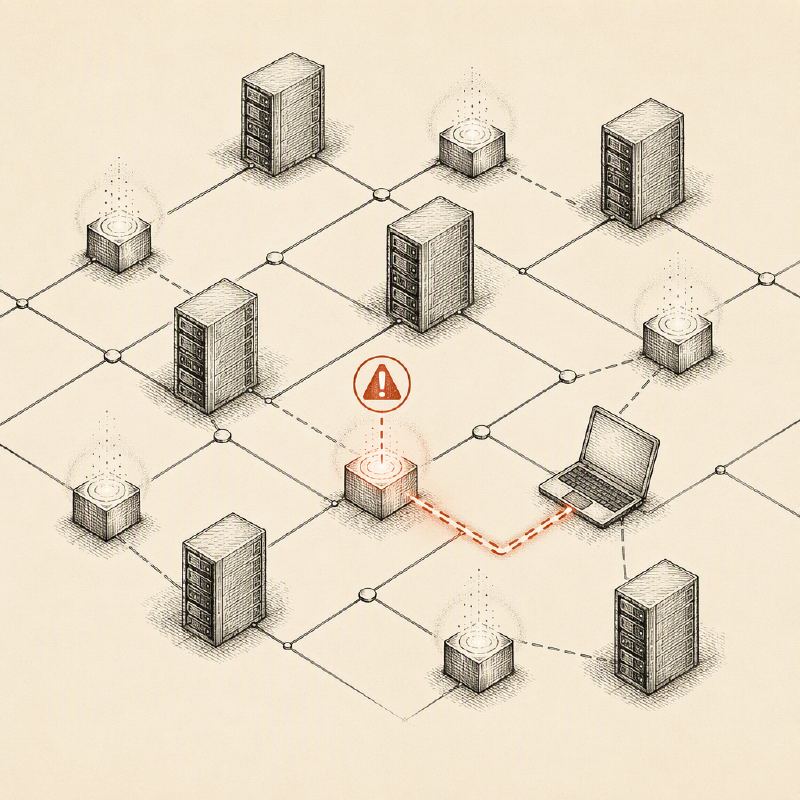
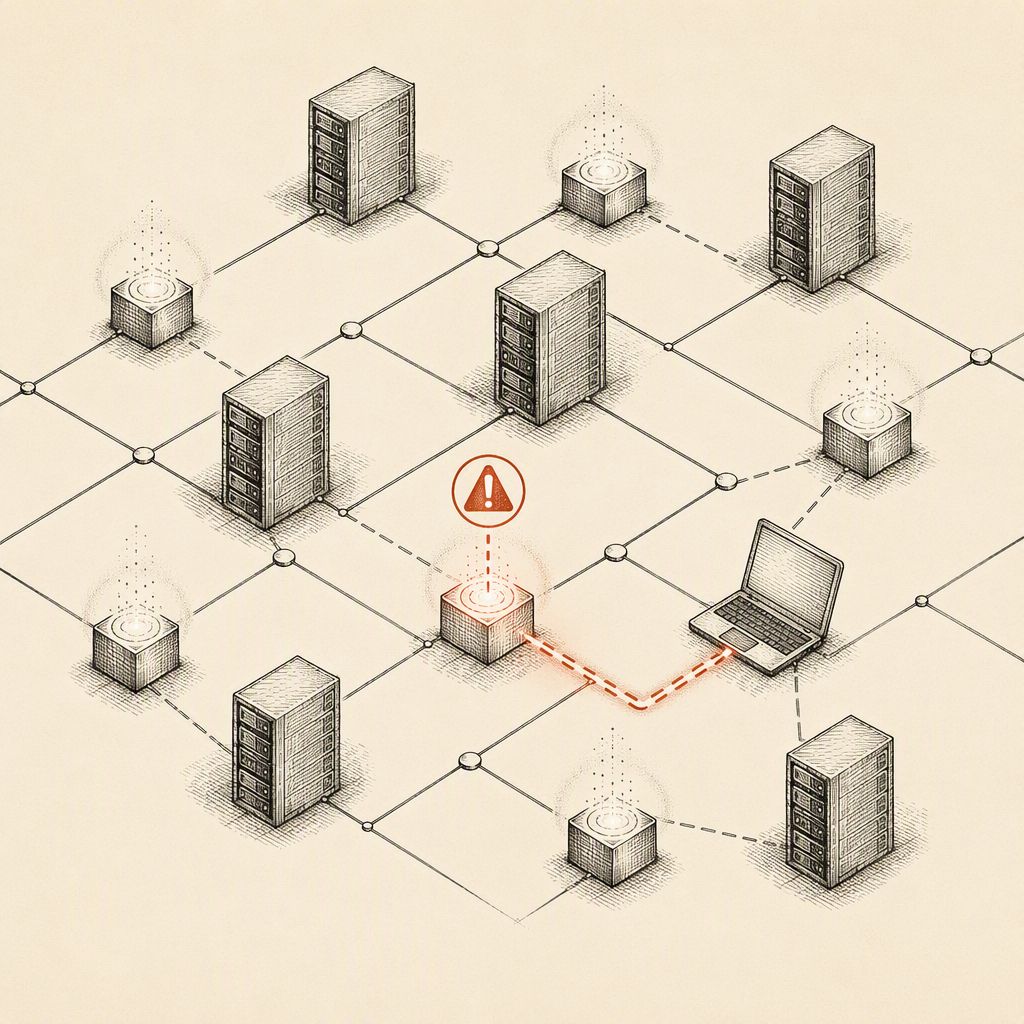
The U.S. Cybersecurity and Infrastructure Security Agency (CISA) has released a significant new guidance document recommending that critical infrastructure organizations proactively deploy cyber decoys within their networks. This initiative aims to bolster defenses by detecting and disrupting malicious actors who have already bypassed initial perimeter security measures. The guidance, published on September 16, 2026, represents CISA's first detailed treatment of this defensive strategy, acknowledging the reality that adversaries may eventually gain some level of access to internal systems.
This approach is particularly crucial in scenarios where attackers leverage legitimate credentials and native tools to move laterally within a network. Traditional monitoring systems often struggle to distinguish such activities from normal user behavior, creating blind spots that adversaries can exploit. CISA frames the use of cyber decoys not as a replacement for, but as a complementary addition to, Zero Trust architectures, emphasizing a layered defense strategy.
The guidance deliberately focuses on decoys deployed *inside* an organization's own networks and systems, rather than the more commonly understood internet-facing honeypots. This strategic narrowing places a strong emphasis on "honeytokens" – data items, such as fake records, credentials, or files, that have no legitimate business purpose. CISA defines any interaction with these honeytokens as a strong indicator of unauthorized activity, thereby generating high-fidelity alerts with minimal noise compared to conventional security tools.
CISA outlines a practical framework for implementing these decoys, centered around three key actions. Organizations are advised to deploy high-fidelity "tripwires" – a type of honeytoken designed to trigger an alert upon interaction – in critical, high-value areas of their network. Concurrently, they should map potential adversary tactics against their decoy coverage using frameworks like MITRE ATT&CK and MITRE Engage. Finally, the agency stresses the importance of a continuous refinement loop through threat emulation exercises to ensure the decoys remain effective against evolving threats.
The MITRE Engage framework, mentioned in the guidance, categorizes defensive objectives into Expose (detecting intruders), Affect (disrupting or delaying them), and Elicit (studying their techniques in controlled environments). CISA's practical material primarily addresses the "Expose" objective, aiming to significantly cut down the Mean Time To Detection (MTTD) by providing early warnings of intrusion.
This guidance is positioned as an introductory resource, particularly beneficial for small to medium-sized organizations, or for security teams new to decoy operations or the MITRE Engage framework. The agency acknowledges that the effectiveness of decoys relies on their strategic placement and relevance to the expected threat landscape. For instance, research by Sysdig highlighted how AI-driven attackers readily interact with specific prompts within decoy files, whereas human adversaries might bypass them if not carefully crafted.
While decoys are not a containment solution, their ability to provide early warning is invaluable. By planting these deceptive assets, organizations can gain crucial intelligence about attacker movements and intentions, allowing for a more rapid and informed response. This proactive measure is designed to shift the defender's advantage by making it harder for attackers to operate undetected once inside the network perimeter.