
CISA and NIST Release Guidance on Protecting Identity Tokens and Assertions
New guidance from CISA and NIST offers federal agencies and cloud providers recommendations to secure identity assertions and access tokens against forgery, theft, and misuse.
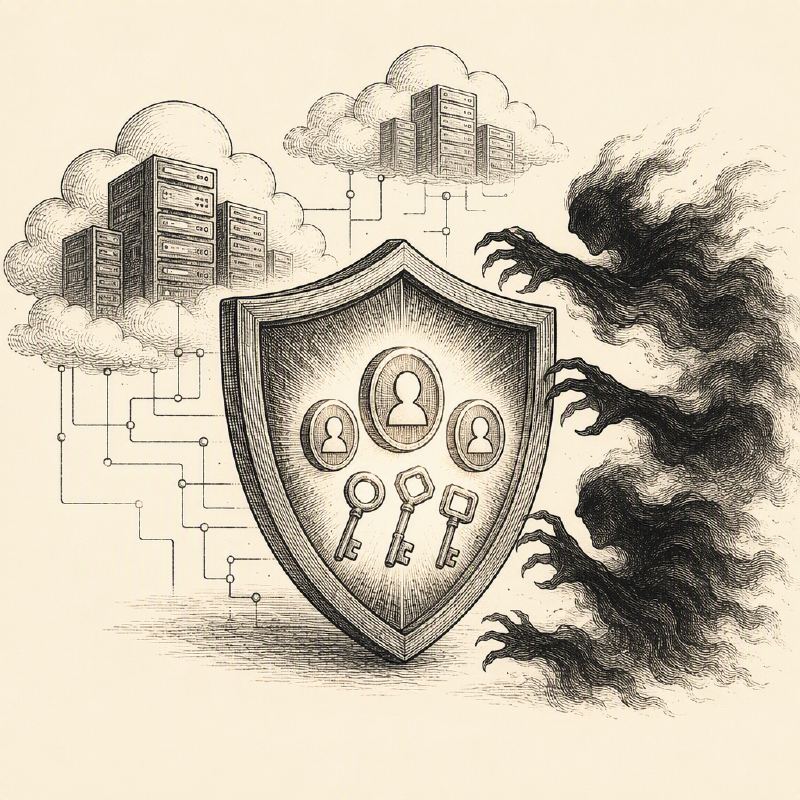
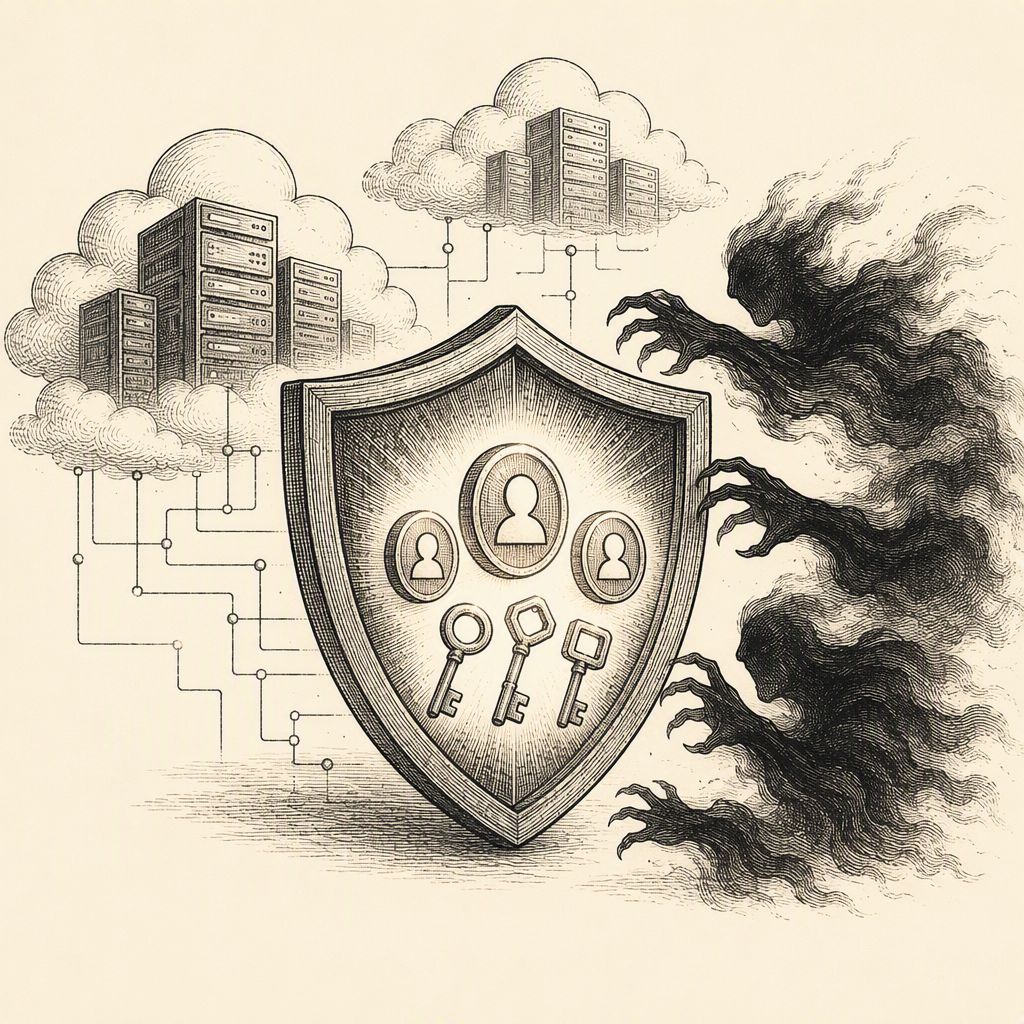
The Cybersecurity and Infrastructure Security Agency (CISA) and the National Institute of Standards and Technology (NIST) have jointly released a comprehensive interagency report detailing critical guidelines for federal agencies and cloud service providers. This guidance focuses on the robust protection of identity assertions, access tokens, and the underlying cryptographic mechanisms that are fundamental to modern authentication and authorization processes.
As organizations increasingly adopt hybrid and multi-cloud environments, the reliance on technologies like single sign-on (SSO), federation, and API-based access has surged. These systems heavily depend on signed tokens and assertions to verify user identities and grant appropriate permissions. However, these digital credentials have become a prime target for adversaries seeking to forge, steal, or misuse them. Successful exploitation can enable attackers to move laterally across enterprise networks, gain unauthorized access to sensitive data, and disrupt critical operations.
The report, which updates an earlier public draft, incorporates valuable feedback gathered from government and industry experts through CISA's Joint Cyber Defense Collaborative. Key areas of enhancement include detailed recommendations for token validation processes, robust secrets management strategies, and effective detection mechanisms capable of operating at scale. These updates aim to address the evolving threat landscape and provide actionable advice for securing complex cloud infrastructures.
This initiative directly supports broader government objectives, including the enhancement of secure software development practices mandated by Executive Order 14306. By providing architectural considerations and emphasizing the principles of Secure by Design, the guidance encourages the development and deployment of systems that are inherently more resilient to cyber threats.
The report underscores the importance of interoperable defense across diverse cloud environments. It stresses that effective security requires a holistic approach, integrating controls and best practices that can be consistently applied across different cloud platforms and services. This is particularly crucial for agencies operating in multi-cloud or hybrid setups where maintaining a unified security posture can be challenging.
Recommendations within the guidance cover a spectrum of security controls, from the initial issuance and validation of tokens to their lifecycle management and the detection of anomalous or malicious activity. The focus is on preventing common attack vectors such as token replay, session hijacking, and unauthorized token issuance.
By providing these detailed recommendations, CISA and NIST aim to equip organizations with the knowledge and tools necessary to fortify their identity and access management systems. This proactive approach is essential for safeguarding sensitive information, maintaining operational integrity, and building trust in digital services within the federal government and across the cloud service provider ecosystem.
The guidance serves as a vital resource for security professionals, system administrators, and developers responsible for implementing and managing authentication and authorization systems in today's interconnected digital landscape. Its adoption is expected to significantly improve the security posture of agencies and cloud providers against sophisticated identity-based attacks.
The newly released technical guidance, NIST Interagency Report 8587, expands upon previous recommendations by detailing specific requirements for securing single sign-on, API access, and machine-to-machine authentication. It emphasizes stronger protection for signing keys, tighter token verification processes, and shorter token lifetimes, directly addressing observed incidents of forged SAML assertions and improperly scoped keys that have led to bypasses of multi-factor authentication and unauthorized resource access.