
CISA Advocates for Cyber Decoys to Bolster Defense Strategies
CISA has released new guidance promoting the use of cyber decoys to enhance threat detection and response capabilities, particularly against sophisticated adversaries.
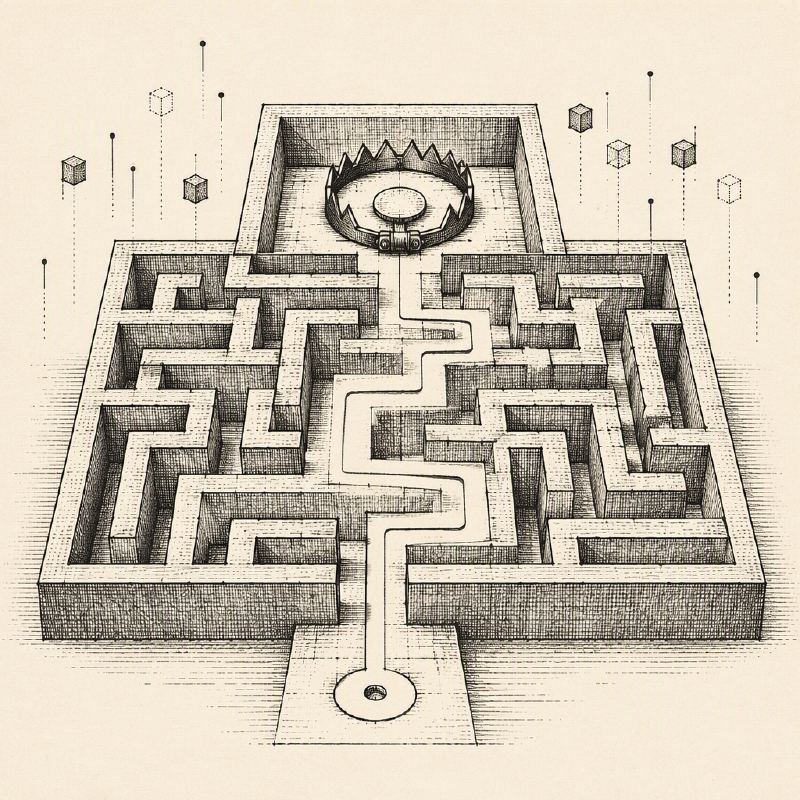
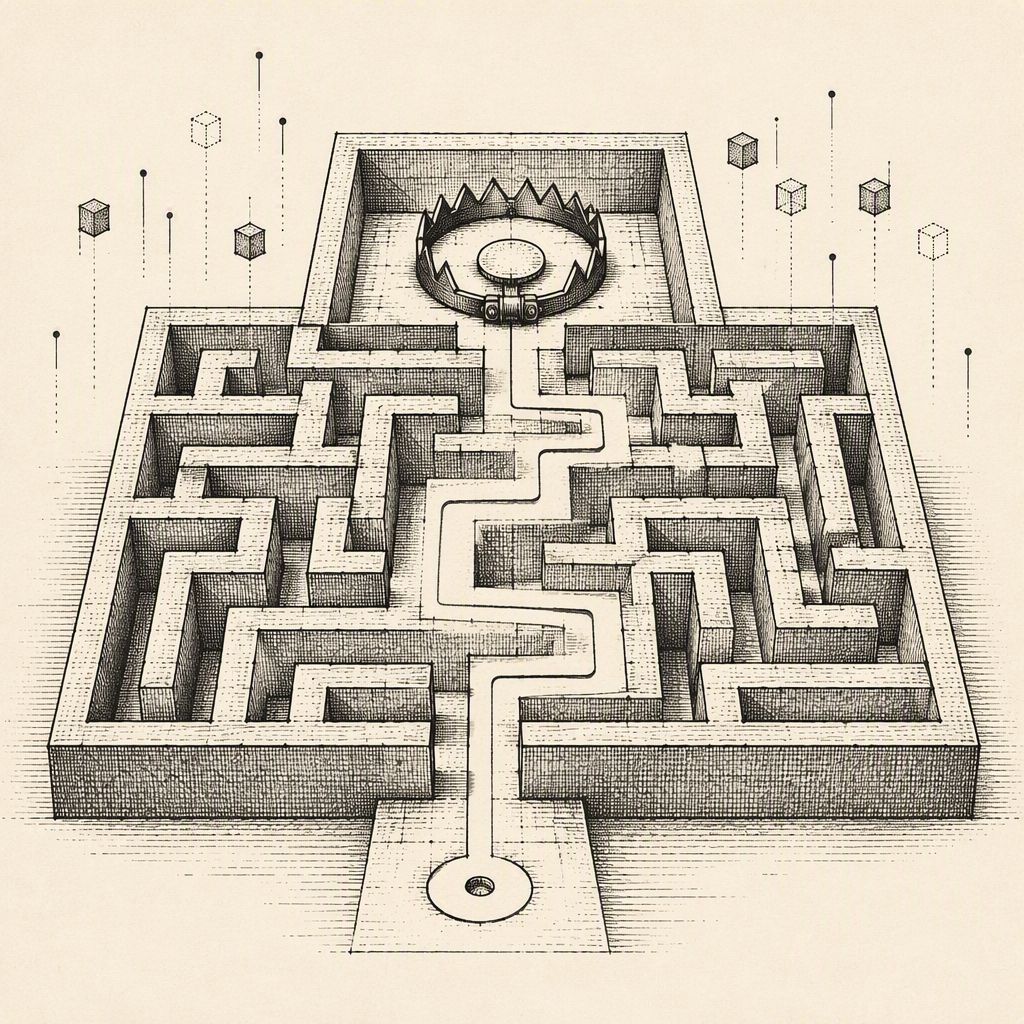
The U.S. Cybersecurity and Infrastructure Security Agency (CISA) has issued comprehensive guidance aimed at helping organizations of all maturity levels implement cyber decoy strategies. This initiative addresses the persistent challenge of detecting adversaries who often blend in by using legitimate credentials, native tools, and living-off-the-land (LOTL) techniques to move laterally and access sensitive data.
Cyber decoys are designed to mimic legitimate systems, accounts, or data within an organization's network. Their primary functions are to distract malicious actors, provide early warnings of their presence, and gather valuable threat intelligence. By deploying these deceptive assets, security teams can gain crucial insights into attacker methodologies and intentions.
As organizations increasingly adopt Zero Trust architectures, the assumption that a breach is inevitable becomes paramount. Cyber decoys serve as a vital complement to Zero Trust principles by enabling continuous monitoring and verification processes. They are instrumental in generating high-fidelity alerts, thereby reducing the overwhelming burden of alert fatigue that often plagues security operations centers.
CISA's guidance introduces fundamental decoy concepts, including tripwires, breadcrumbs, and honeytokens. Tripwires are designed to trigger an alert when accessed or tampered with, breadcrumbs are subtle indicators left behind to track adversary movement, and honeytokens are fake credentials or data designed to lure and detect unauthorized access.
To provide a practical framework, the guidance maps these decoy concepts to the widely recognized MITRE Engage™ and MITRE ATT&CK® frameworks. This mapping allows defenders to strategically plan, implement, and refine their decoy operations in alignment with established threat-based methodologies.
The document emphasizes that decoys are particularly effective in detecting post-compromise activity, including the subtle LOTL techniques that adversaries frequently employ to maintain persistence and evade traditional security measures. By making these activities more visible, decoys help close detection gaps.
CISA is committed to ensuring accessibility of its resources. The guidance document will be updated to ensure compliance with Section 508 accessibility standards. Organizations facing accessibility challenges with the current format are encouraged to contact CISA for assistance and to specify their preferred format for receiving the information.
Ultimately, the adoption of cyber decoys represents a proactive shift in defensive posture, moving beyond passive monitoring to actively engaging and deceiving adversaries. This strategy empowers organizations to strengthen their detection capabilities, improve response times, and gain a more robust understanding of the threat landscape.