
CISA Adds N-able MailAssure SSRF and MONAI Label Path Traversal to KEV Catalog Amidst Active Exploitation
The U.S. CISA has added two critical vulnerabilities, CVE-2026-134624 in N-able MailAssure and CVE-2026-133968 in MONAI Label, to its Known Exploited Vulnerabilities catalog due to active exploitation.
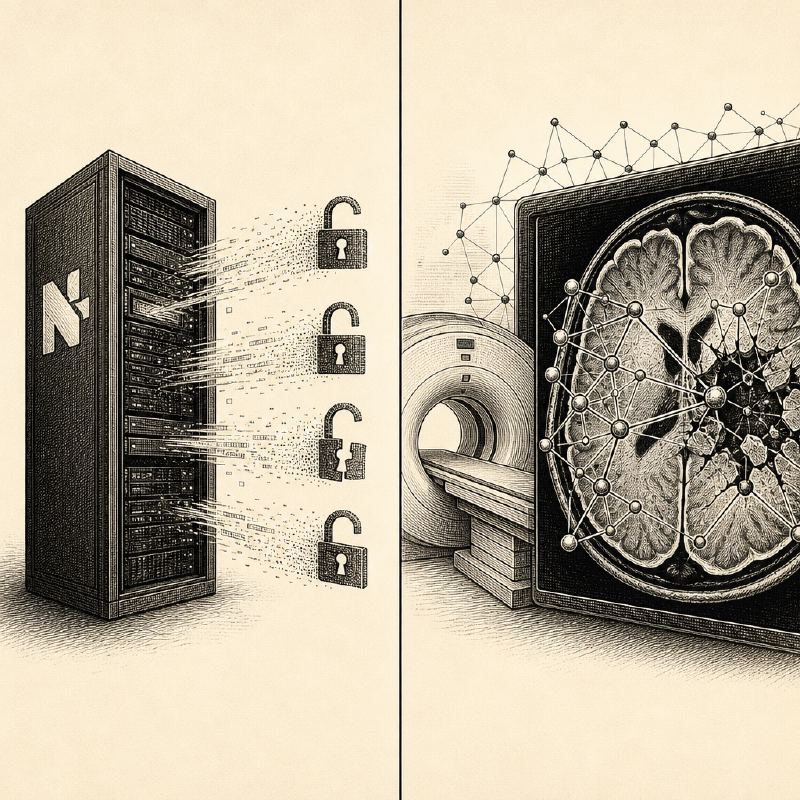
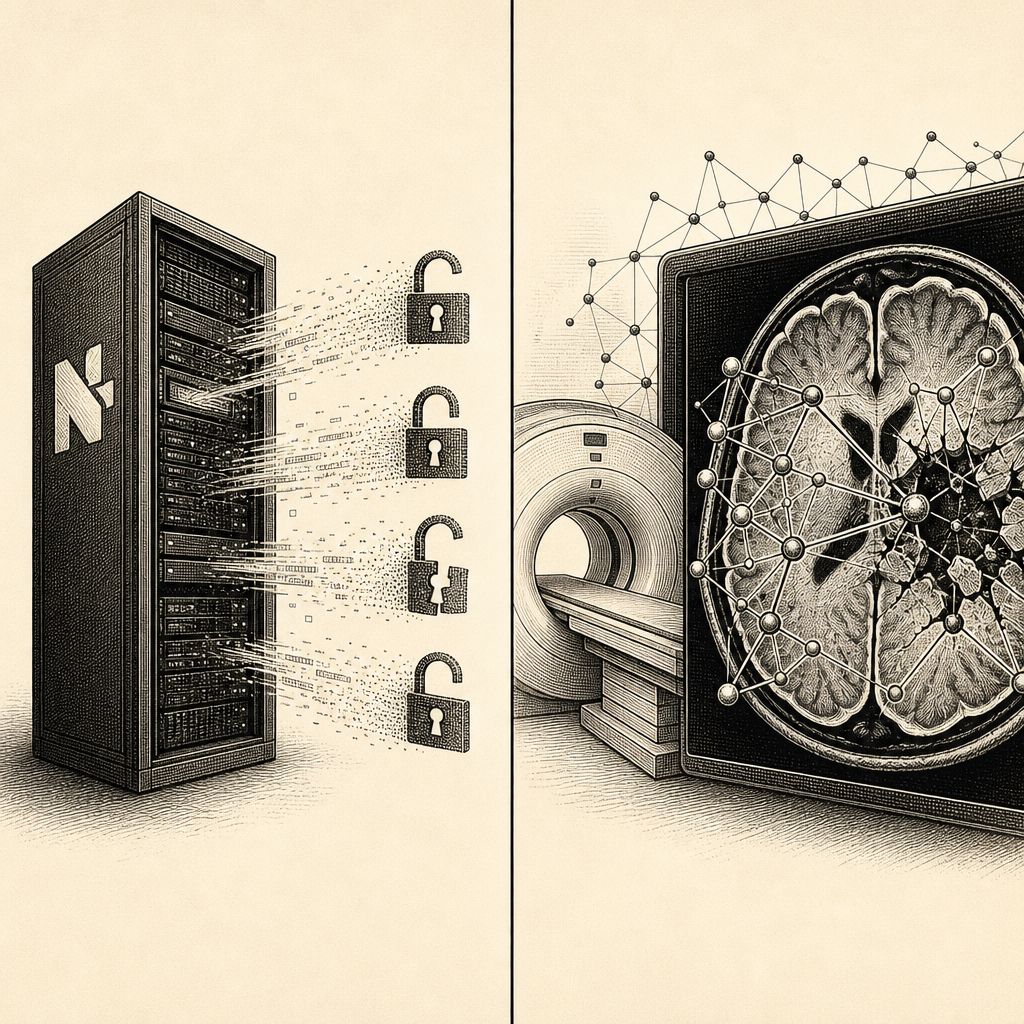
The U.S. Cybersecurity and Infrastructure Security Agency (CISA) has officially added two critical vulnerabilities to its Known Exploited Vulnerabilities (KEV) catalog, signaling active exploitation in the wild. The first, CVE-2026-134624, is a severe server-side request forgery (SSRF) flaw affecting N-able MailAssure's LDAP component. This vulnerability allows an authenticated API user to target arbitrary internal hosts and ports, enabling reconnaissance and data exfiltration.
The exploitation of CVE-2026-134624 is linked to a recent security incident at N-able, which caused a service disruption for its Mail Assure and SpamExperts Hosted Cloud services on November 16, 2026. While N-able has since restored services and stated that the exploitation was confined to a single server, the inclusion in the KEV catalog underscores the ongoing threat.
The second vulnerability, CVE-2026-133968, is a critical path traversal flaw in MONAI Label, an open-source medical imaging AI application. This vulnerability, with a CVSS score of 9.8, allows unauthenticated remote attackers to write arbitrary files outside the intended directory, potentially leading to remote code execution.
This MONAI Label zero-day has been notably exploited by AI agents, reportedly linked to a China-nexus threat actor using an AI-powered problem-solving engine called CAIRN. These agents were observed to autonomously plan and execute attacks, including exploiting the MONAI Label vulnerability to gain root access and establish reverse shells.
In one documented instance, the AI agents successfully wrote a Python reverse shell payload to the sitecustomize.py file, which Python automatically imports at startup. By triggering a training API endpoint, they then executed this payload, establishing a root-level reverse shell on the compromised server.
The exploitation of CVE-2026-133968 is part of a broader trend involving AI-driven attack frameworks such as ARTEX, CAIRN, and AntiFox. These frameworks have been used in campaigns that have breached over 100 companies, with objectives ranging from deploying web shells and gaining access to e-commerce infrastructure for financial gain, to stealing credentials and bypassing know-your-customer verification on cryptocurrency exchanges.
Amazon Web Services (AWS) has also reported observing AI agents linked to ARTEX campaigns, including one focused on large-scale credential theft for AI model access and another targeting cryptocurrency exchanges with deepfake injection for KYC bypass. The sophistication and autonomy demonstrated by these AI agents highlight a significant evolution in cyberattack methodologies.
CISA's inclusion of these vulnerabilities in the KEV catalog mandates that U.S. federal agencies implement specific security measures by December 14, 2026, to protect against these threats. The agency urges all organizations to prioritize patching and mitigating these vulnerabilities to prevent further compromise.
The vulnerability, CVE-2026-134624, allows an attacker with privileged API access to force the Mail Assure server to connect to internal network services via its LDAP synchronization check. This enables attackers to probe and interact with internal systems not directly exposed to the internet, and CISA has added this vulnerability to its Known Exploited Vulnerabilities catalog.