
CISA Adds Four Exploited Vulnerabilities to KEV Catalog, Targeting Ransomware, Cryptomining, and LLMjacking
CISA has added four actively exploited vulnerabilities affecting Synology, BerriAI LiteLLM, Apache Axis, and Vanderbilt REDCap to its KEV catalog, linked to diverse cyber threats.
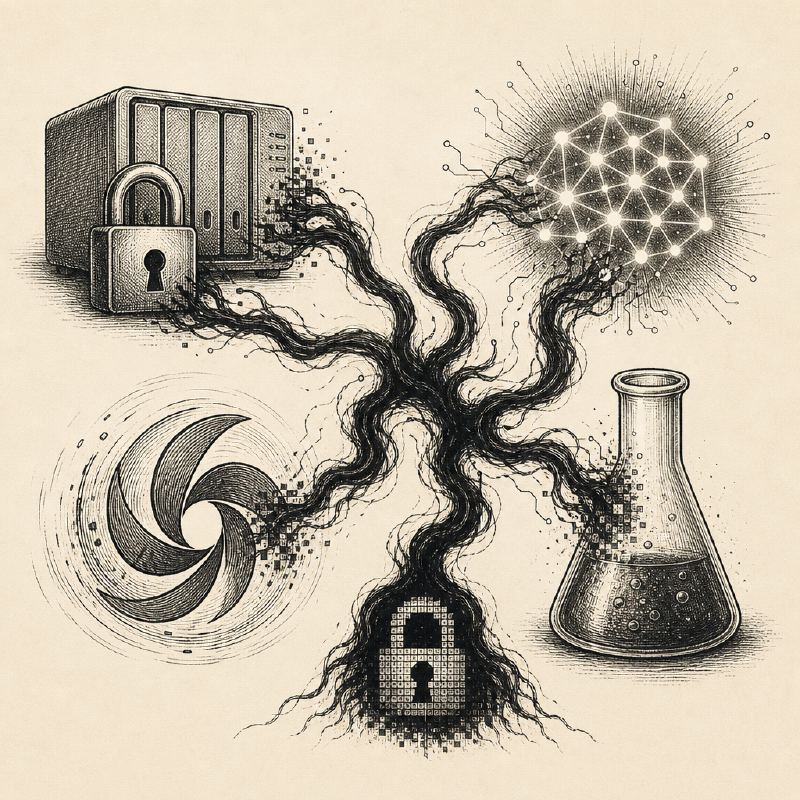
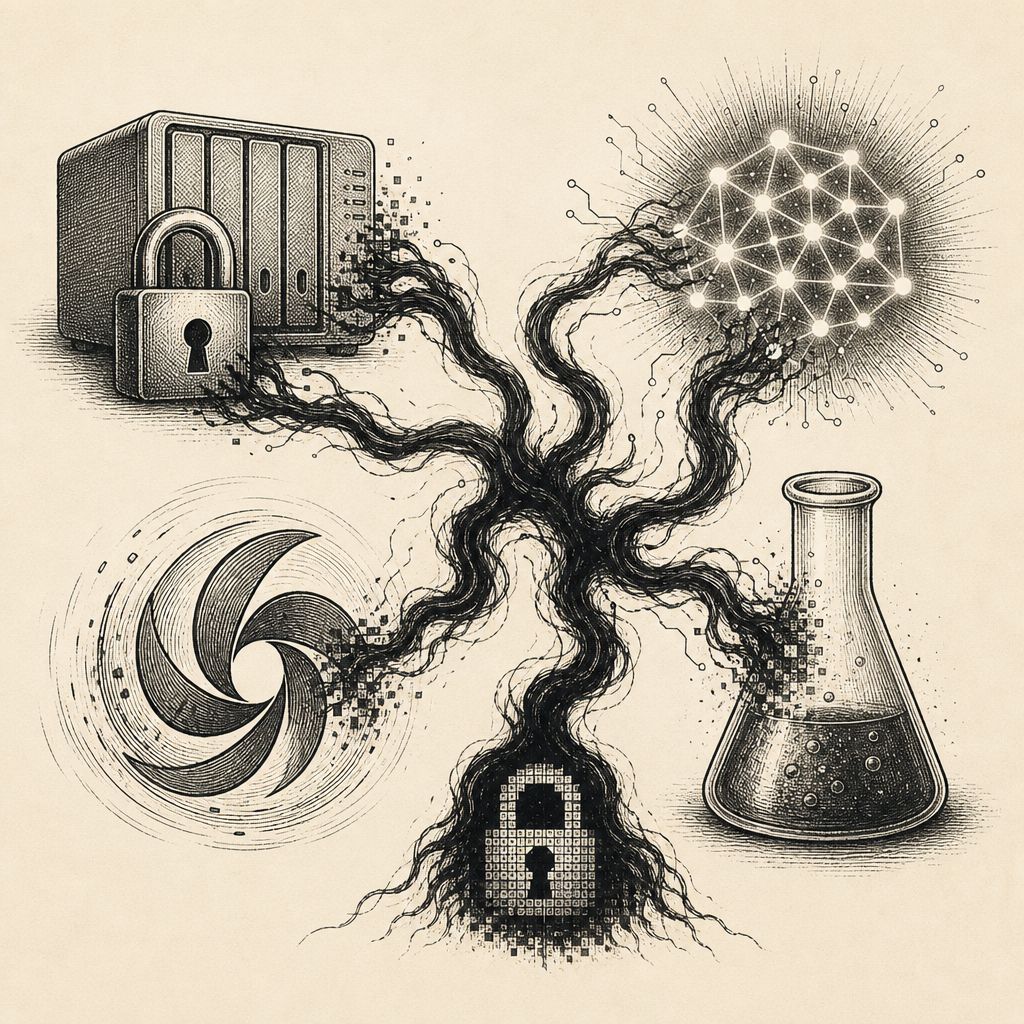
The U.S. Cybersecurity and Infrastructure Security Agency (CISA) has officially added four new vulnerabilities to its Known Exploited Vulnerabilities (KEV) catalog, signaling a heightened threat landscape. These vulnerabilities, impacting Synology DiskStation Manager (DSM), BerriAI LiteLLM, Apache Axis, and Vanderbilt University's Research Electronic Data Capture (REDCap) software, have been observed under active exploitation in the wild.
The inclusion in the KEV catalog mandates that federal civilian executive branch agencies implement CISA's directives to protect their networks. This action underscores the agency's commitment to proactively addressing threats that pose significant risks to national security and critical infrastructure. The vulnerabilities span a range of attack vectors and impact diverse systems, from network-attached storage devices to specialized research platforms.
One of the highlighted vulnerabilities affects Synology DiskStation Manager (DSM), a widely used operating system for Synology's network-attached storage (NAS) devices. While specific details of the Synology flaw are not yet public, its inclusion suggests a critical security weakness that could be leveraged for data breaches or to establish persistent access within organizations' storage infrastructure. NAS devices are often repositories of sensitive data, making them prime targets for ransomware and data theft operations.
Another critical addition pertains to BerriAI's LiteLLM, an open-source library that simplifies the process of working with various large language models (LLMs). The exploitation of this vulnerability is particularly concerning as it is linked to "LLMjacking" attacks. This emerging threat involves the hijacking of LLM infrastructure for malicious purposes, such as unauthorized data exfiltration, generating malicious content, or consuming expensive compute resources, potentially leading to significant financial losses and reputational damage for organizations.
The catalog also includes a vulnerability in Apache Axis, a widely used framework for developing and deploying web services. Exploitation of this flaw has been associated with cryptomining activities. Attackers often target systems with vulnerabilities to install cryptominers, leveraging the victim's computing power to generate cryptocurrency, thereby draining system resources and potentially leading to service disruptions.
Finally, a vulnerability affecting Vanderbilt University's REDCap software has been added. REDCap is a popular platform used by researchers worldwide to manage clinical trial data and other research projects. Exploitation of this flaw has been linked to ransomware attacks, indicating that sensitive research data could be at risk of encryption and extortion. The potential impact on ongoing research and patient data security is a significant concern.
CISA urges all organizations, particularly those within the federal government, to prioritize the patching and mitigation of these vulnerabilities. The agency emphasizes that the presence of these flaws in the KEV catalog is based on concrete evidence of active exploitation, meaning that systems running vulnerable versions are already at risk. Proactive security measures, including regular vulnerability scanning and prompt patching, are crucial to defending against these evolving threats.
The new article details that CVE-2026-90436, an unsafe reflection vulnerability in Apache Axis 1.x, is being actively exploited and has been added to CISA's KEV catalog. Exploitation has been observed targeting Atlassian Confluence Data Center instances, with attackers quickly escalating privileges and exfiltrating data. Apache recommends migrating from Axis 1.x or applying a provided patch, while Confluence users should upgrade to specific versions.
Rapid7 has detected active exploitation of CVE-2026-90436 against Atlassian Confluence Data Center, detailing how attackers leveraged the vulnerability to exfiltrate sensitive data, harvest credentials, and attempt lateral movement. The exploit chain involved unauthenticated POST requests to the SOAP endpoint, leading to the execution of numerous shell commands and scripts, some of which appeared to be AI-generated. This new information provides critical insight into the specific tactics, techniques, and procedures employed by threat actors exploiting this vulnerability.