
Chinese Phishing Network 'Iron Man System' Linked to 1 Billion Messages
A sophisticated, subscription-based phishing platform known as the 'Iron Man System' has been linked to an estimated one billion phishing messages targeting 75,000 organizations globally.
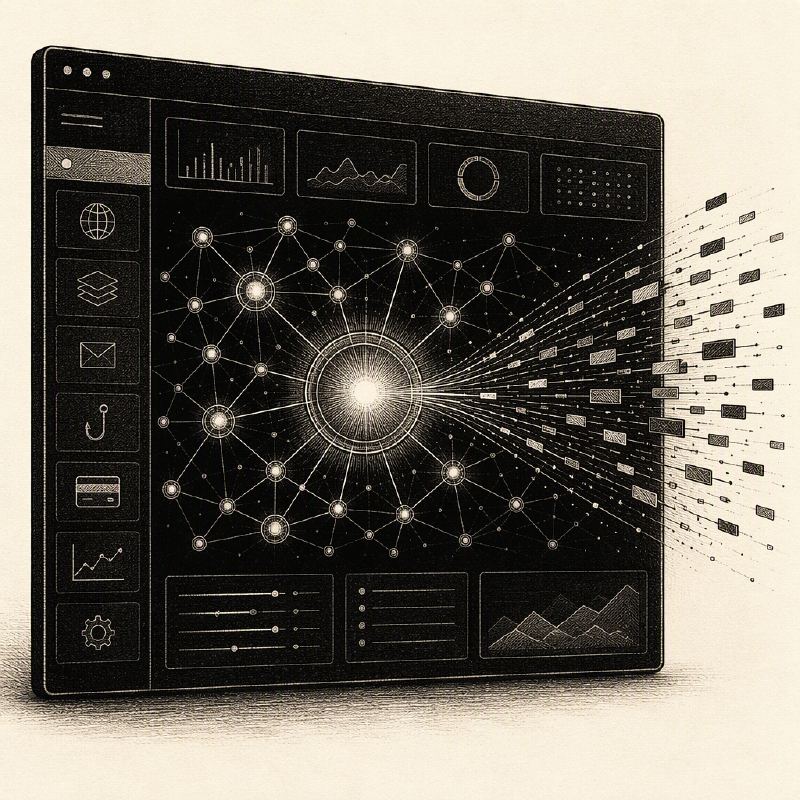

A Chinese-run phishing network, operating under the name 'Iron Man System,' has been identified as the source of approximately one billion phishing messages aimed at 75,000 organizations worldwide. This platform-as-a-service (PaaS) offers cybercriminals a ready-made toolkit to deploy fake websites and harvest sensitive user data, significantly lowering the barrier to entry for conducting large-scale phishing operations.
Researchers from Resecurity acquired a license for the Iron Man System and conducted an in-depth analysis in a controlled lab environment. Their investigation revealed that the platform, in its version 6.3.1, utilizes a Go backend and is deployed as a containerized image, allowing users to host it on their own servers. The system features a bilingual (Chinese-English) control panel that manages the creation of fake login pages, brand impersonations, and license status, indicating a commercial and ongoing development model.
The Iron Man System boasts an extensive library of 2,360 phishing templates, covering 130 countries and regions. These templates are designed to impersonate a wide array of entities, including courier services, banks, tax agencies, retailers, and telecommunication providers. Notably, delivery-related brands such as DHL, DPD, and Apple were among the most frequently impersonated, reflecting a common and effective tactic in phishing campaigns.
Exposed infrastructure, including a publicly accessible Gitea server, provided further insights into the platform's development and deployment. This server contained numerous builds of the phishing kit and associated container registry images, confirming ongoing development and revealing details about its backend infrastructure, such as S3-compatible storage and a MariaDB database.
The platform's commercial nature is underscored by its subscription model, which includes license checks against an authorization host. This dependency presents a potential disruption point for law enforcement and security researchers; disabling the licensing service could impact numerous active phishing deployments simultaneously.
While the report attributes the wider operation to Microsoft's involvement and its Digital Crimes Unit, which has worked to disrupt developers and infrastructure, the exact operators behind the Iron Man System remain unconfirmed. The analysis links infrastructure and accounts to the platform, but definitive attribution of specific threat actors to real-world identities is still pending.
The scale of the operation, evidenced by the reported one billion messages and 75,000 targeted organizations, highlights the significant threat posed by such sophisticated, commercially available phishing tools. The platform's design and extensive template library enable rapid deployment and broad targeting capabilities, making it a potent weapon in the arsenal of cybercriminals.
Resecurity has provided a list of indicators of compromise (IoCs), including domains and account emails associated with the Iron Man System's infrastructure, to aid in detection and defense efforts. These IoCs are crucial for organizations to update their security postures against this evolving threat.