
Chinese Hackers Use Fake AI Download Pages to Distribute Gh0st RAT
A Chinese-speaking cybercrime group is impersonating popular AI tools like DeepSeek and Quark Cloud to lure users into downloading malware, specifically the Gh0st RAT.
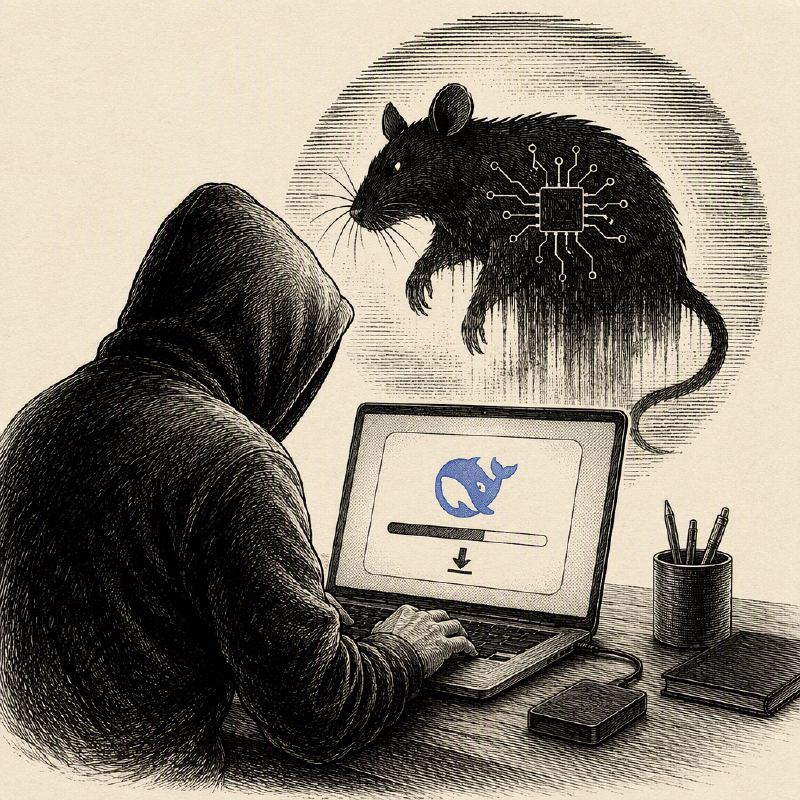
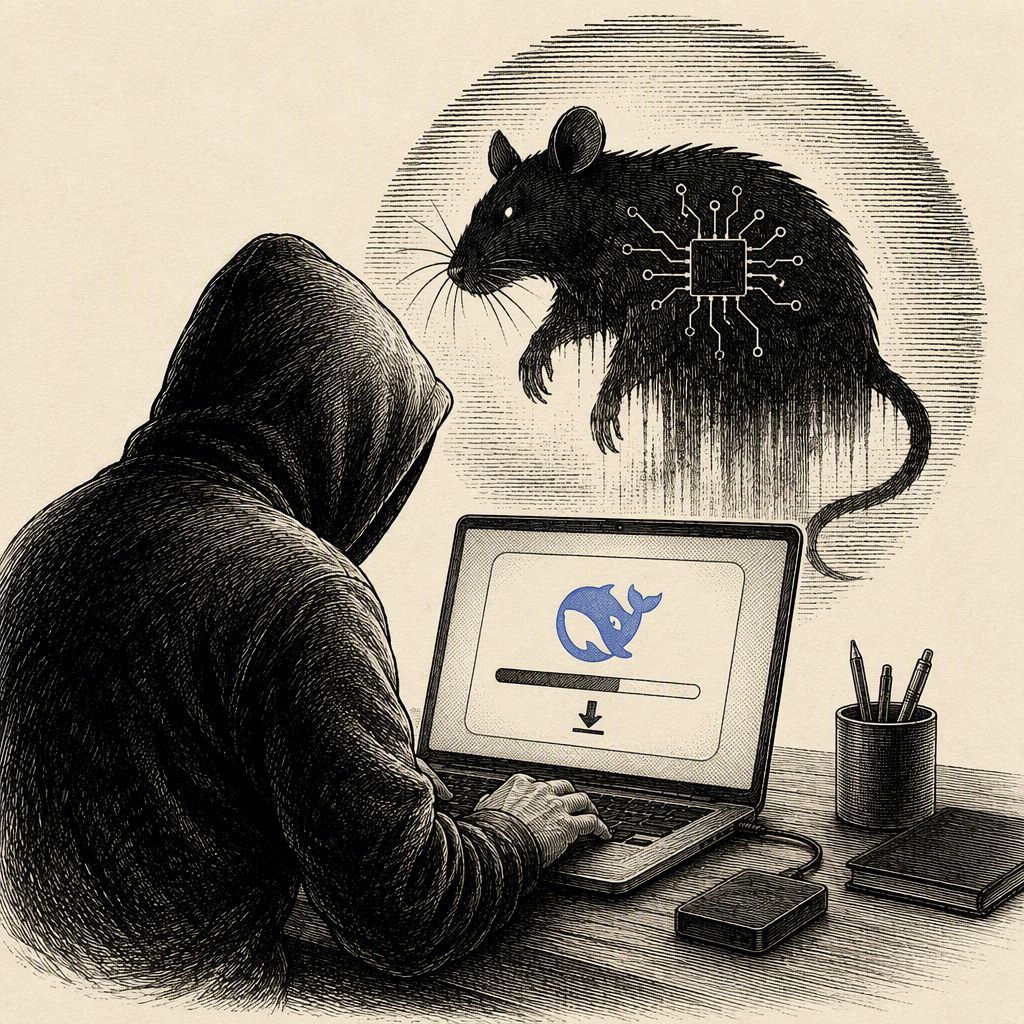
A sophisticated cybercrime operation, attributed to a Chinese-speaking threat actor group, is actively targeting Windows users by leveraging the growing interest in artificial intelligence tools. The attackers create convincing fake download pages that mimic legitimate AI platforms such as DeepSeek, Quark Cloud, and Pony Activator. These deceptive websites are designed to trick unsuspecting users into downloading a malicious installer, which ultimately deploys the Gh0st RAT, a potent remote access trojan.
The initial stage of the attack involves a custom-built Windows Installer package (MSI) created using the WiX toolkit. This installer is engineered to execute malicious code through a custom action, allowing it to masquerade as a legitimate software installation process. Crucially, the malware decrypts its subsequent payloads directly in memory, a technique that significantly hinders forensic analysis by leaving minimal traces on the disk and delaying detection by security tools.
Once the initial payload is established, the attackers employ a signed but vulnerable driver, specifically Adlice TrueSight version 2.0.2. This driver is abused to disable a wide array of security products, reportedly over 200. By compromising the system's defenses at such a deep level, the malware operates with significantly reduced visibility, creating an environment ripe for exploitation without immediate alerts.
With endpoint security protections crippled, the campaign proceeds to deploy the Gh0st RAT. This remote access trojan grants the attackers extensive control over the compromised machine. Capabilities include unauthorized access to files, real-time screen monitoring, remote command execution, and the ability to use the infected system as a pivot point for further malicious activities within a network or for launching additional attacks.
The attackers' strategy of impersonating multiple popular software names, including AI tools, broadens their potential victim pool beyond niche technical communities. Developers, students, and general office workers who might search for AI utilities or cloud services are all susceptible to these social engineering tactics. This mirrors other campaigns that have used fake AI repositories and deceptive project pages to distribute harmful software.
Security researchers at Zscaler ThreatLabz, who identified and reported on this campaign, noted the use of AI-generated content to enhance the realism of the fake download portals. This highlights the evolving tactics of cybercriminals who are increasingly integrating AI into their operations to create more convincing lures and sophisticated attack infrastructure.
To mitigate these risks, users are strongly advised to download software exclusively from official vendor websites or verified app stores. Unexpected MSI files or downloads originating from advertisements or search results should be treated with extreme caution. Organizations should implement strict software installation policies, monitor for unusual driver installations, and ensure security services are not easily terminated. Maintaining up-to-date security software and enabling features like the vulnerable-driver blocklist are also critical defense measures.