
Chinese and North Korean State Hackers Weaponize ARTEX AI Framework
State-sponsored threat actors from China and North Korea are leveraging the ARTEX AI-driven penetration testing framework to automate and accelerate cyberattacks, including secret discovery and supply chain compromise.
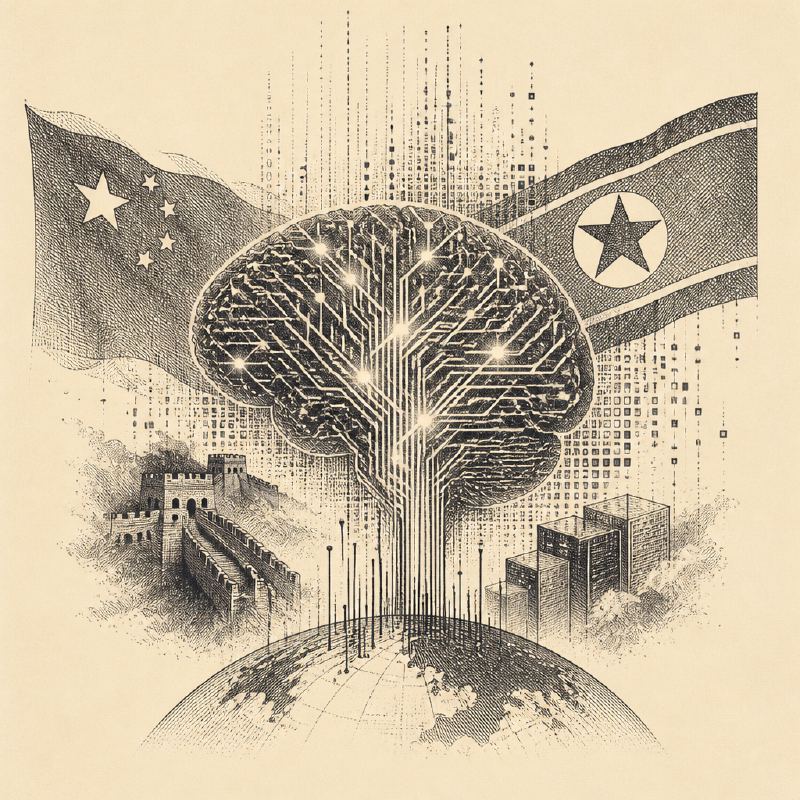
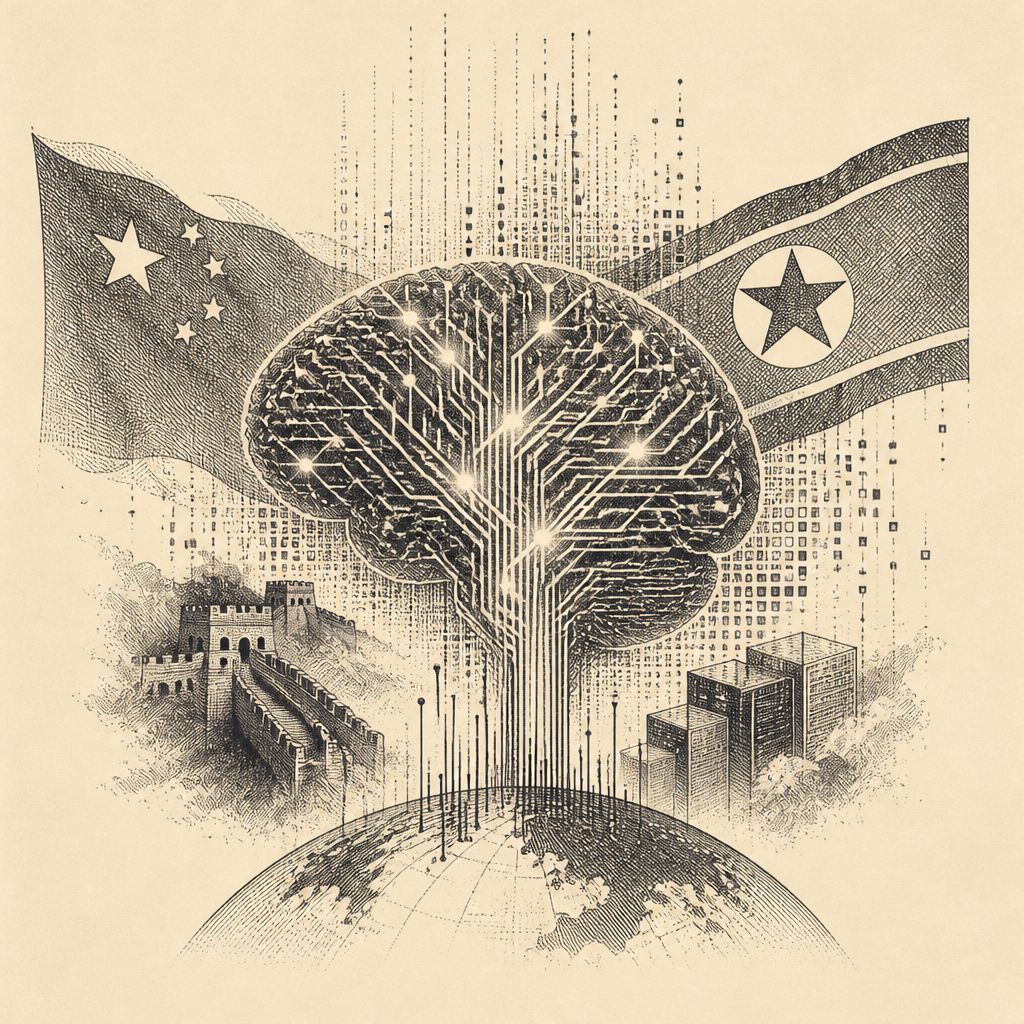
State-sponsored hacking groups linked to China and North Korea have begun employing the ARTEX penetration testing tool in their offensive operations, according to a recent warning from Microsoft Threat Intelligence. ARTEX, an open-source framework released on GitHub in July 2026 by a user named Autumn-27, utilizes large language models (LLMs) to automate various stages of cyberattacks. Operators can define a target objective, and the AI agents within ARTEX will autonomously plan and execute the necessary steps to achieve it.
While the cybersecurity firm ThreatBook claimed ownership of ARTEX and began marketing a Pro version in November 2026, Microsoft has not directly linked this commercial activity to the observed attacks. Microsoft researchers noted that these campaigns demonstrate the growing trend of threat actors using ARTEX to automate critical attack phases, such as searching public repositories for exposed secrets, facilitating supply chain compromises, and scanning internet-facing systems for exploitable vulnerabilities.
Microsoft Threat Intelligence has identified several threat actors integrating ARTEX into their toolkits. These include state-sponsored groups like Storm-0940, Storm-3358, Onyx Sleet, Pearl Sleet, Crystal Typhoon, and Salt Typhoon, as well as financially motivated actors. The 'Typhoon' designation is used by Microsoft for China-based groups, while 'Sleet' refers to those associated with North Korea. Salt Typhoon, in particular, is known for its long-standing espionage campaigns targeting telecommunications providers.
The speed at which ARTEX can operate is a significant concern. In one instance involving a password spraying attack against Microsoft 365, the China-aligned Storm-0940 group achieved privileged access in under three hours after initiating more than 151,000 failed sign-ins. Another observed case saw an AI agent progress from searching GitHub for client secrets to exfiltrating data from Azure Key Vault in a mere five minutes, highlighting the accelerated pace of modern cyber intrusions.
ARTEX's capabilities extend to supply chain attacks, with Storm-0940's campaigns linked to compromises involving ConnectWise and the abuse of application credentials. This demonstrates the framework's versatility in targeting different vectors within an organization's infrastructure. The automation provided by ARTEX allows attackers to move rapidly through initial access and privilege escalation stages, often bypassing traditional security measures that rely on slower, human-driven reconnaissance and exploitation.
Despite its advanced automation, ARTEX does not introduce novel attack techniques; rather, it orchestrates common penetration testing tools and methods. Microsoft notes that while ARTEX may exhibit characteristics of its underlying tools, threat actors can modify network indicators like IP addresses and user agent strings to evade static detection. However, the framework's inherent behavior, characterized by rapid, varied requests and swift transitions between attack stages, can be conspicuous in network logs.
The UK's National Cyber Security Centre has also commented on agentic attack frameworks, observing that they often 'trade stealth for speed.' These tools can generate substantial network traffic and interact broadly with systems, making them potentially easier to detect. The NCSC also cautioned that future iterations of such frameworks might be developed with stealth capabilities, posing an even greater challenge to defenders.
The integration of AI-powered frameworks like ARTEX by state-sponsored actors signifies a critical evolution in cyber warfare. The ability to automate complex attack chains, reduce dwell time, and achieve rapid access to sensitive systems presents a significant challenge for cybersecurity defenses worldwide. Organizations must adapt by enhancing their detection capabilities to identify anomalous, high-speed activity and strengthen their overall security posture against increasingly sophisticated and automated threats.