
China-State Actor Storm-0940 Leverages AI Framework ARTEX for Rapid Supply Chain Compromises
China-aligned threat actor Storm-0940 is employing the agentic AI penetration testing framework ARTEX to automate large-scale attacks, achieving privileged cloud access in under three hours and enabling swift supply chain compromises.
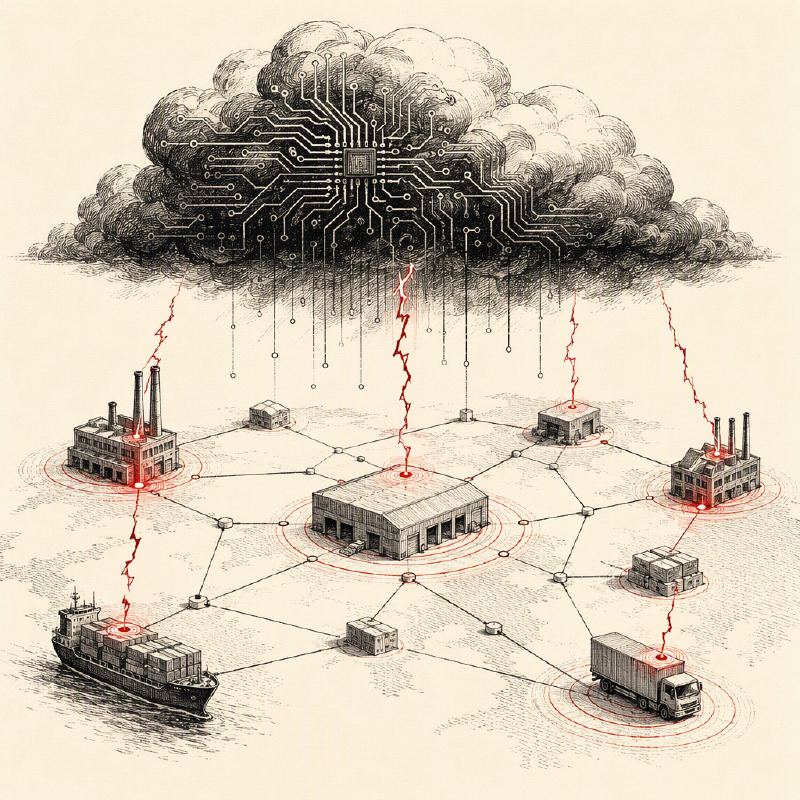
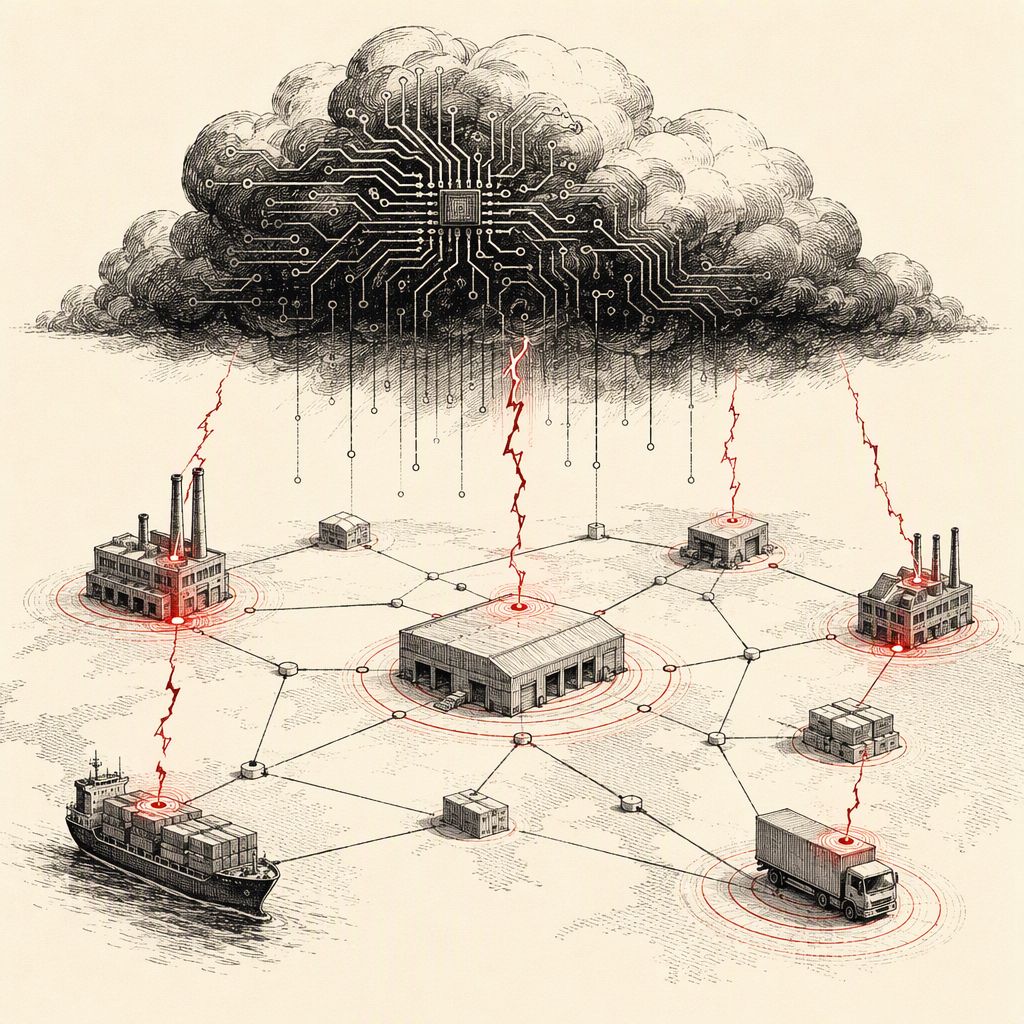
China-state aligned actor Storm-0940 has been observed since September 2026 utilizing the agentic AI penetration testing framework ARTEX to automate attacks against hundreds of organizations across diverse industries. This sophisticated approach has enabled the threat actor to achieve privileged access to cloud infrastructure in as little as three hours from initial targeting, significantly accelerating offensive operations.
Microsoft assesses that Storm-0940 was responsible for the recently disclosed ConnectWise supply chain compromise, demonstrating how threat actors are integrating agentic AI into their existing workflows. The use of AI agents bypasses human limitations, allowing for continuous operation, simultaneous breach path attempts, and a dramatic reduction in the time required to achieve objectives, thereby increasing the speed and impact of complex attacks like supply chain compromises.
Storm-0940's deployment of ARTEX has streamlined the abuse of compromised applications to authenticate into Microsoft 365 environments. By leveraging applications that already possessed granted access, the actor could operate without needing interactive user sign-ins. In multiple affected environments, Microsoft observed AI-accelerated follow-on activities through Microsoft Graph, including reconnaissance, modification of application credentials, and attempts to escalate privileges, which could lead to expanded or persistent access.
The threat actor, Storm-0940, has been active since 2021, primarily targeting organizations for data theft. Historically, they gained initial access through password spraying and exploiting internet-facing applications. In cloud environments, they have established persistence by adding credentials to existing OAuth applications, facilitating continued access and exfiltration of data via Microsoft Graph. The ARTEX framework amplifies these tactics, accelerating scanning, reconnaissance, password spraying, and OAuth application abuse against downstream victims.
ARTEX itself is an open-source penetration testing framework that can utilize any AI model to automate various offensive security tasks. Written in GO with a Next.js frontend, it functions as a multi-agent LLM system capable of running autonomous penetration tests from reconnaissance to data exfiltration with minimal human intervention. The framework accumulates discovered assets and vulnerabilities into a graph during its operations. Public reporting in October 2026 indicated ARTEX was already being used by threat actors, including those targeting Korean financial institutions.
While the majority of Storm-0940's targeting attempts did not result in successful compromises, the actor achieved privileged cloud persistence at numerous organizations within a short timeframe. The sheer volume of traffic and log data generated by AI-automated activities can trigger alerts, but the speed of execution leaves minimal time for defenders to respond and remediate access.
Microsoft Defender XDR offers detections and hunting queries for suspicious Microsoft Graph activity and infrastructure associated with Storm-0940. Customers are advised to review service principal sign-ins, investigate unexpected application credential or privilege changes, and follow ConnectWise's guidance for containment. The activity by Storm-0940 did not stem from a compromise of Microsoft's own corporate systems, products, or services.
This development underscores a significant shift in cyber warfare, where agentic AI tools like ARTEX are empowering nation-state actors to scale their offensive capabilities dramatically. The ability to automate complex attack chains and achieve rapid cloud access poses a growing challenge for cybersecurity defenses, necessitating advanced threat detection and rapid response mechanisms.