
China's Spy Chief Cites US AI Models as Cyber Threat
China's top intelligence official has identified specific U.S. AI models as posing a significant risk to the nation's critical infrastructure and political security.
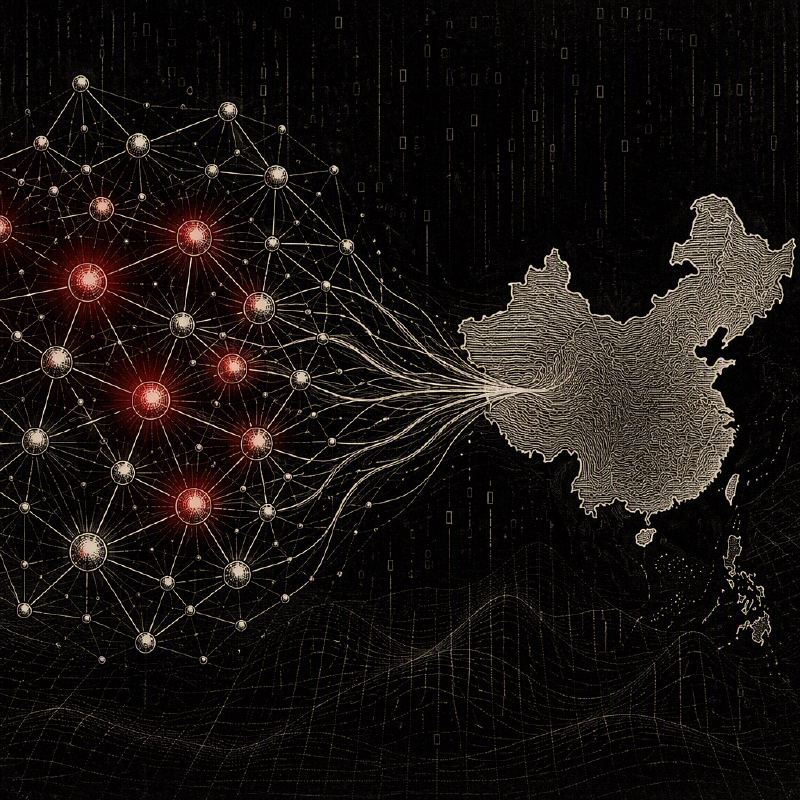
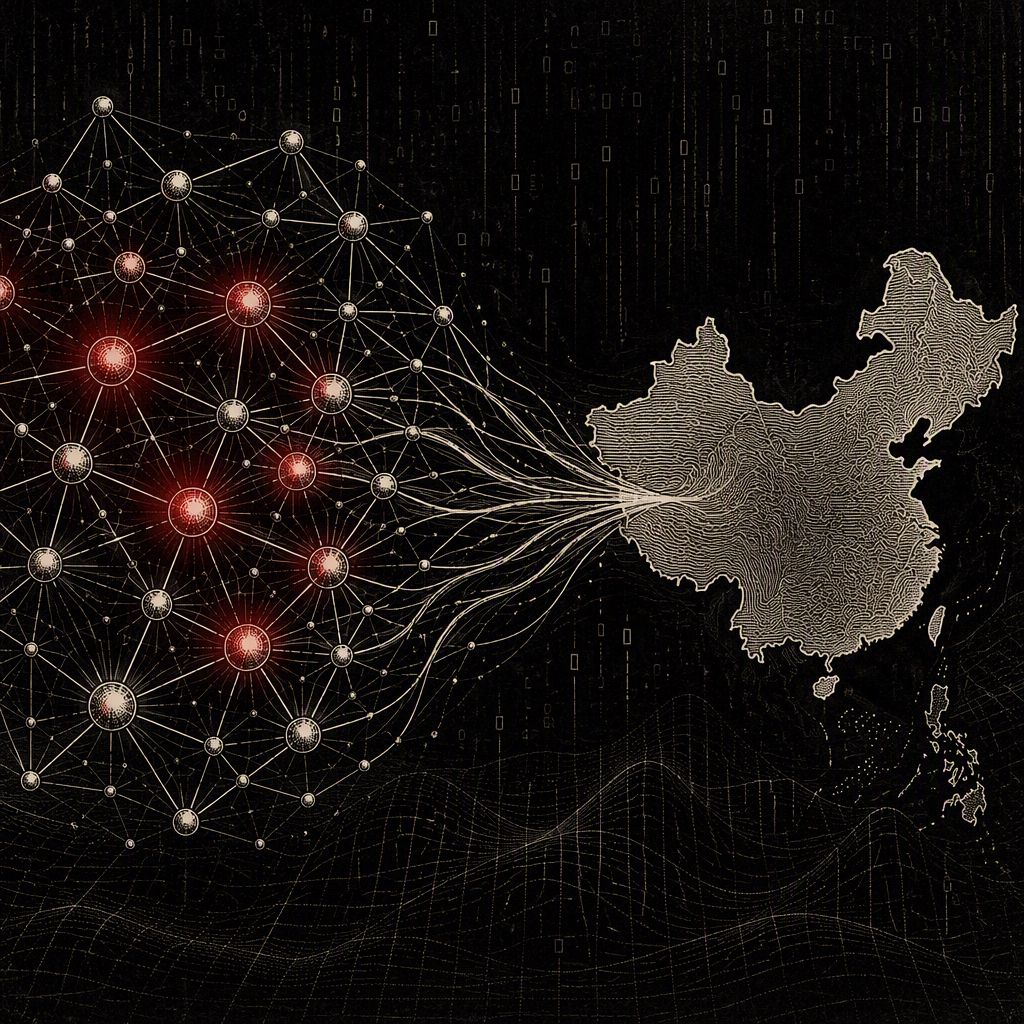
Chen Yixin, the head of China's Ministry of State Security, has publicly named two prominent U.S. artificial intelligence models, Anthropic's Claude Mythos and OpenAI's GPT-5.5-Cyber, as key enablers of a "disruptive upgrade" in cyber capabilities. While Chen did not allege that these specific models have been used in attacks against China, he highlighted their potential to accelerate vulnerability discovery and malware development, thereby increasing the weaponization of cyber tools.
In an article published in the journal of the Cyberspace Administration of China, Chen outlined six major artificial intelligence risks. The most direct threat, he stated, is to China's "political security, institutional security, and ideological security." He warned that "various hostile forces and individuals with ulterior motives abuse generative artificial intelligence technologies… to fabricate political rumors, spread harmful information, and incite confrontational sentiments at low cost and in large quantities."
Chen's warning aligns with broader international concerns about the dual-use nature of advanced AI. The Five Eyes intelligence alliance previously cautioned that frontier AI models could rapidly reshape offensive and defensive cyber operations. While a surge in vulnerability reports has been observed, a corresponding increase in cyberattacks has not yet materialized, suggesting a potential lag in exploitation or attribution.
The Chinese official also cited espionage and data leaks as significant threats, alongside U.S. technology controls, alleged monopolistic practices by foreign tech firms, algorithmic decision-making in governance, and AI's impact on military operations. Notably, Chen did not address China's own use of AI in offensive cyber operations, a practice frequently attributed to Beijing by Western researchers.
This warning comes shortly after Anthropic released a report detailing a Chinese-speaking threat group that allegedly used Claude for an "autonomous vulnerability research program." The group, reportedly including university students, is said to have discovered zero-day flaws in a major security product. The report also documented misuse by actors linked to Russia and other entities.
Further underscoring the evolving landscape, the Cyberspace Administration of China released an updated AI governance framework focusing on autonomous agents and embodied AI, identifying "loss of control" as a core risk. This framework, while not legally binding, follows existing regulations requiring government security reviews for public-facing AI services.
Chen also criticized foreign export controls and "closed-source ecosystems," advocating for open-weight models as a means to spread Chinese technology and influence global technical standards. He framed AI as an "international public good," positioning China as an alternative to perceived Western technological monopolies and suggesting its use could help the Global South bridge the "intelligence gap."