
China's Cyber Coercion Strategy Against Taiwan Explored in War Game
A war game simulation revealed how China could employ cyberattacks and information warfare to coerce Taiwan, potentially crippling communications and infrastructure without a physical invasion.
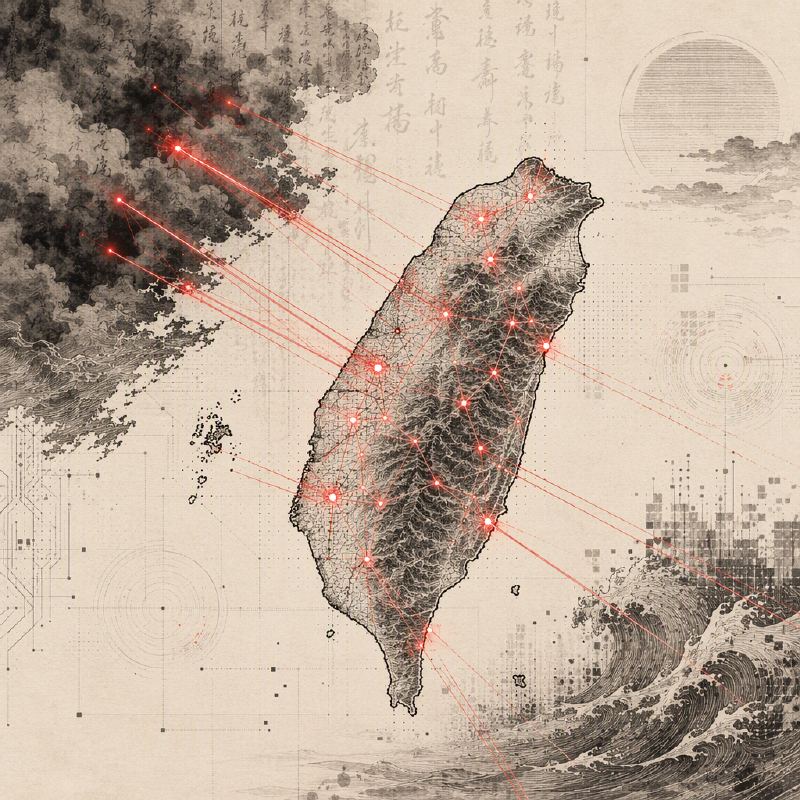
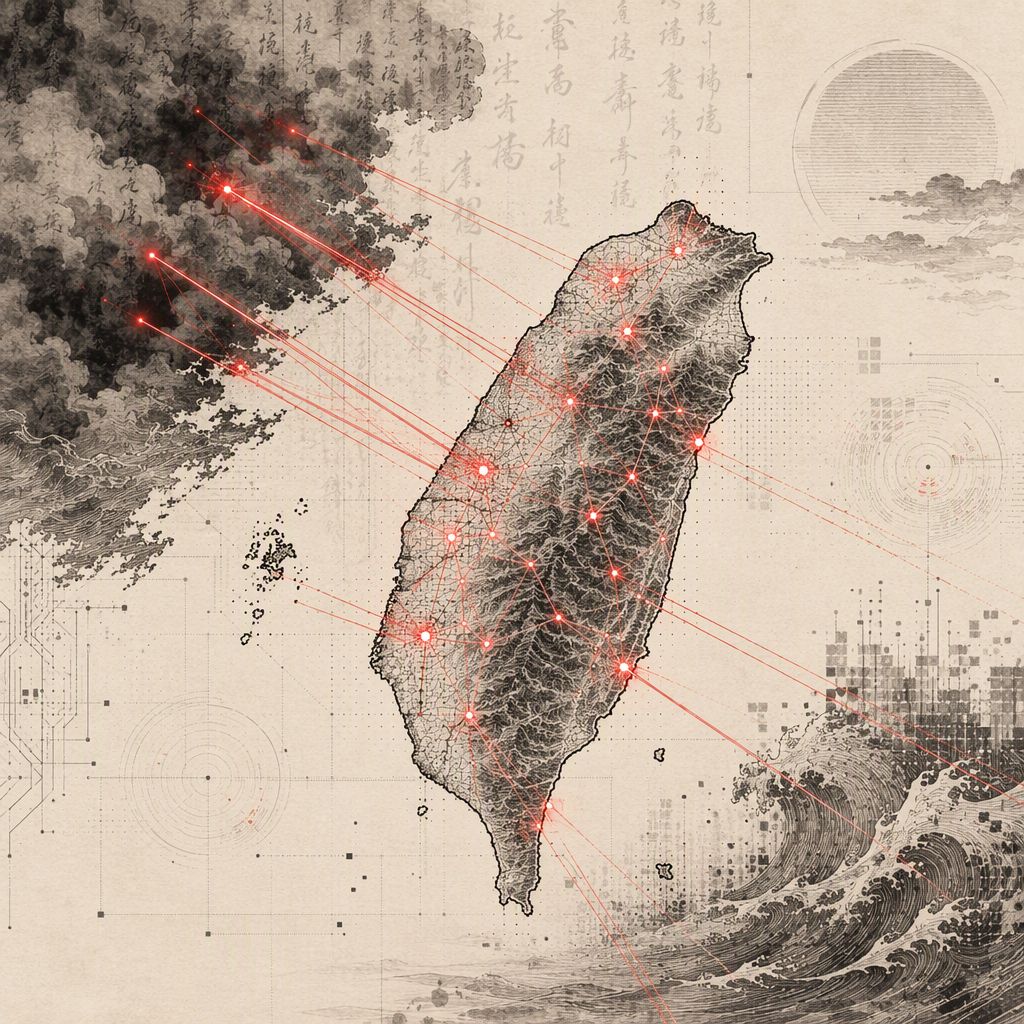
A recent war game simulation, conducted by the Foundation for Defense of Democracies, explored a hypothetical scenario where China could exert significant pressure on Taiwan through non-kinetic means, focusing on cyber-enabled economic warfare rather than a direct military invasion. The exercise aimed to stress-test Taiwan's resilience by simulating attacks designed to disrupt critical communication networks and infrastructure, pushing its backup systems to their limits.
The simulation specifically targeted Taiwan's digital backbone, including its satellite, microwave, and undersea cable networks. The objective was to assess the potential impact of sophisticated cyberattacks that could degrade or disable these vital communication channels, thereby isolating the island and disrupting its economy and public services. This approach highlights a growing concern among security analysts: that state actors may increasingly favor cyber operations for coercion due to their deniability and potential for widespread disruption without the immediate escalatory risks of physical conflict.
Beyond the direct impact on communications, the war game also considered the broader implications of such an attack, including the potential for widespread panic, economic destabilization, and the erosion of public trust in government and critical services. The exercise underscored the interconnectedness of modern infrastructure and the cascading effects that a successful cyberattack on one sector could have on others, from finance and energy to healthcare and transportation.
The findings from the simulation emphasize the critical need for robust cybersecurity measures and resilient infrastructure in Taiwan. The exercise revealed potential vulnerabilities in the island nation's backup and redundancy systems, suggesting that continuous investment and strategic planning are necessary to maintain operational continuity in the face of advanced persistent threats. The ability to withstand and recover from such sophisticated cyber assaults is paramount for Taiwan's national security and economic stability.
This focus on cyber coercion aligns with broader geopolitical trends, where cyber capabilities are increasingly viewed as a strategic tool for statecraft. The simulation serves as a stark reminder that the battlefield of the future may extend far beyond physical domains, with digital infrastructure becoming a primary target for state-sponsored aggression. The implications extend beyond Taiwan, offering valuable insights for other nations reliant on complex digital networks.
In parallel discussions during the ISMG editors' panel, the importance of healthcare cybersecurity resilience was also highlighted. Security leaders emphasized that the true measure of resilience in healthcare is the ability of clinicians to continue providing patient care even when systems, vendors, or networks fail. This perspective shifts the focus from mere system uptime to the ultimate goal of patient safety and continuity of care, a crucial consideration in any critical infrastructure defense strategy.
Furthermore, the panel touched upon the evolving landscape of cyber extortion. The breach at fashion retailer Asos, where attackers used app pop-ups to deliver extortion messages, illustrated a crowded market where threat actors are struggling to gain attention. This contrasts with the more direct, high-impact cyber coercion strategies discussed in the context of Taiwan, showcasing the diverse and often opportunistic nature of cybercrime alongside state-level strategic threats.