
China-Linked Group ARMORY CASTLE Exploits VMware vCenter Zero-Day for Espionage
A sophisticated espionage group, ARMORY CASTLE, has been actively exploiting a critical VMware vCenter zero-day vulnerability (CVE-2026-123890) since September to gain administrator access and exfiltrate sensitive virtual machine data.
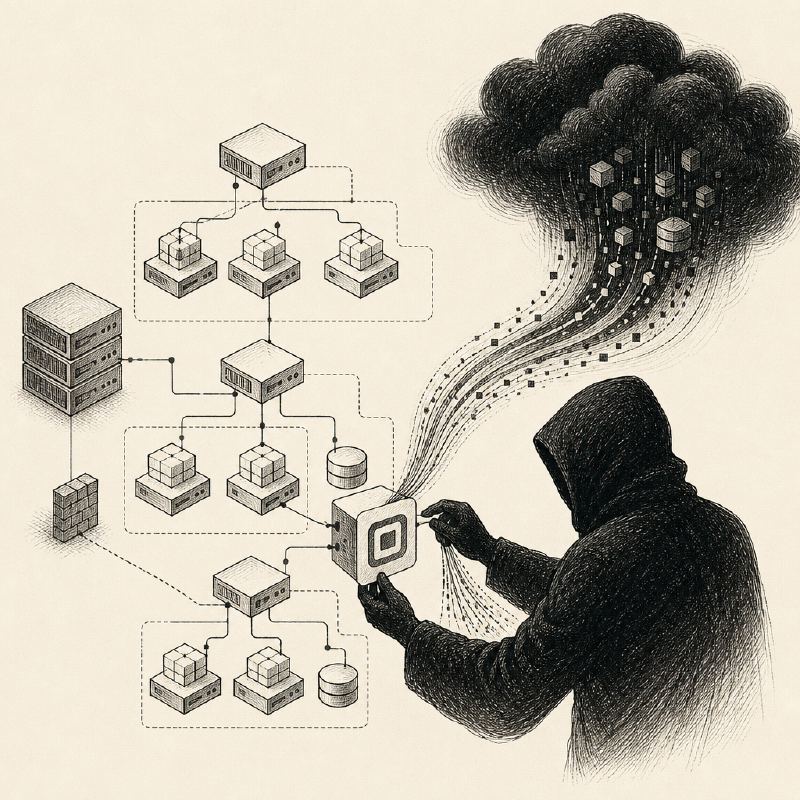
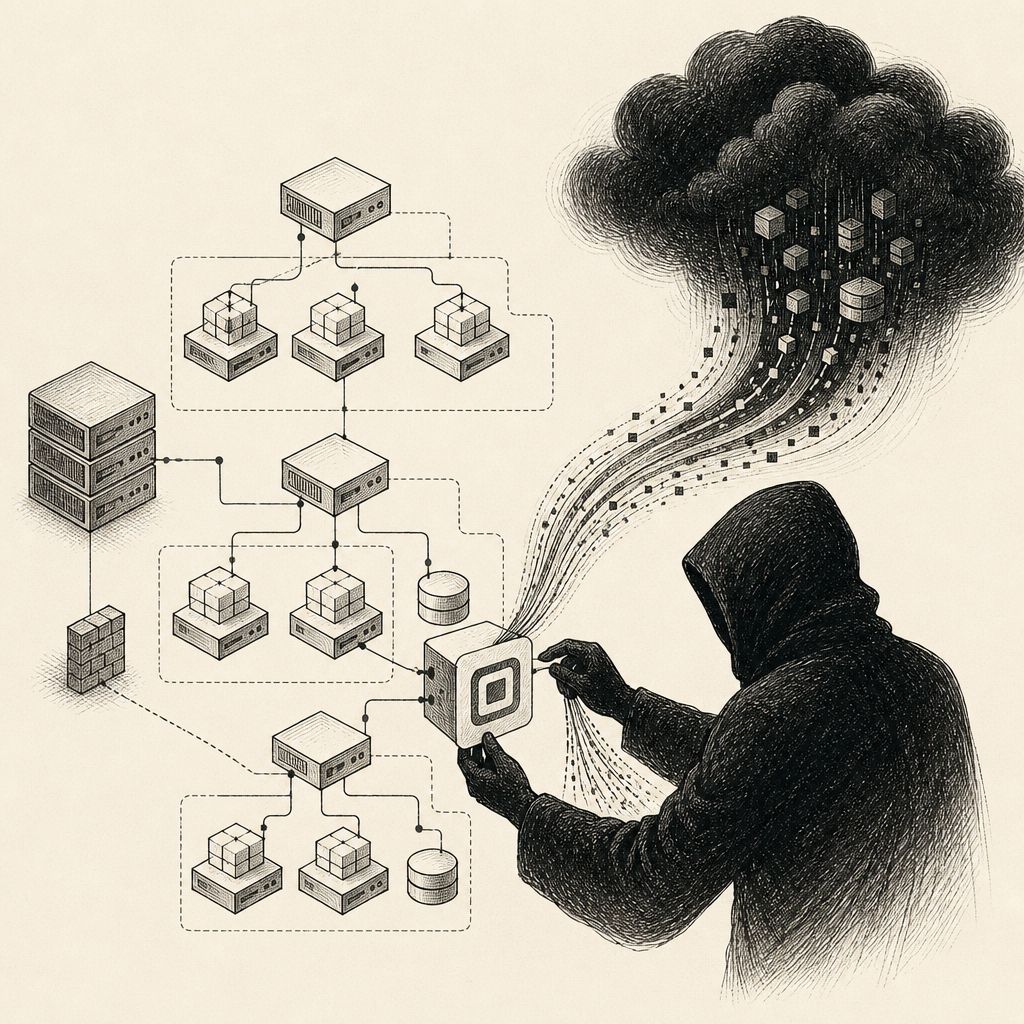
A suspected China-linked espionage group, identified as ARMORY CASTLE and previously tracked as UNC5221, has been leveraging a critical zero-day vulnerability in VMware vCenter Server since early September 2026. This sophisticated attack, detailed by Mandiant and the Google Threat Intelligence Group (GTIG), allowed the threat actors to bypass authentication mechanisms and achieve administrator-level control over VMware environments.
The vulnerability, designated CVE-2026-123890, carries a severe CVSS score of 9.8, indicating a high risk of exploitation. It specifically targets the VMware Directory Service, a component crucial for vCenter's single sign-on capabilities. Network attackers who can reach a vulnerable vCenter server can exploit this flaw to gain administrative access without needing to know the administrator's password, effectively hijacking the central management console for VMware vSphere environments.
In the observed incident, ARMORY CASTLE did not initiate the breach with this vCenter zero-day. Instead, they first gained an initial foothold through a separate zero-day vulnerability, CVE-2026-102764, in BeyondTrust Remote Support, which was exploited in late August. Following this initial compromise, the attackers moved laterally to an internal Linux appliance lacking robust endpoint detection and response (EDR) capabilities. From this compromised appliance, they installed custom tools to maintain persistence and search for VMware systems.
The exploitation of the vCenter zero-day, CVE-2026-123890, was used to escalate privileges and deepen their access within the compromised network. The attackers deployed a custom tool named BONESAW, which enabled them to copy the vCenter directory database and create a new single sign-on administrator account. This allowed them to bypass existing security measures and establish persistent administrative control.
Further complicating the attack, ARMORY CASTLE also utilized a tool called SAWSNAKE. This tool was capable of forging SAML tokens by using stolen signing keys. SAML tokens are used to authenticate users to vCenter, and by forging these tokens, the attackers could impersonate legitimate administrators, circumventing multi-factor authentication and other security checks. The group also exfiltrated vCenter encryption material and database credentials.
Ultimately, the attackers gained access to an ESXi host, where they were able to access files stored within a Windows virtual disk. This included sensitive data such as Active Directory information, registry files, and DNS data. The attackers archived this data and exfiltrated it back through the compromised Linux appliance, highlighting the risks of monitoring only within guest operating systems, as activity on virtual disks can occur outside the OS's visibility.
Broadcom, the vendor for VMware products, has released security advisories and patches for affected vCenter versions, including vCenter 9.1.1.0200, 9.0.2.0200, and 8.0 Update 3m. However, there is no public fix for vCenter 7.0, with customers on extended support contracts advised to contact Broadcom support. Organizations are urged to apply patches promptly, revoke compromised sessions, replace stolen signing keys, and thoroughly investigate their environments for signs of unauthorized administrator accounts or unusual access to virtual disks, especially if remote support appliances have access to the management network.
This new report provides extensive technical details on the exploitation of CVE-2026-123890 by Armory Castle, including the specific utility BONESAW used for remote exploitation and data exfiltration. It also details the subsequent post-compromise activities, such as hijacking SAML authentication, creating new administrator accounts, and the deployment of several other malware families like SAWSNAKE, BEARBONES, and LAZYBONES, painting a comprehensive picture of the attack chain.
This new report from Help Net Security provides further technical details on the exploitation of CVE-2026-123890 by the Armory Castle group. It highlights the use of custom tools like BONESAW for gaining administrator sessions and SAWSNAKE for forging SAML tokens, enabling bypass of multi-factor authentication. The article also details the group's lateral movement, including compromising an ESXi host and exfiltrating data from a Windows VM.
This new report indicates that the exploitation of the VMware vCenter zero-day by the China-nexus group 'Armory Castle' may have begun as early as September, predating the major VMware security updates. The article highlights the group's proactive targeting of critical infrastructure during this update window, suggesting advanced planning and reconnaissance.