
China Calls for AI Oversight Amid Growing Cyber Threats
China's top cyber official has urged stronger state control over artificial intelligence, citing risks to political security and sensitive data, as the nation grapples with AI-linked breaches and sophisticated cyberattacks.
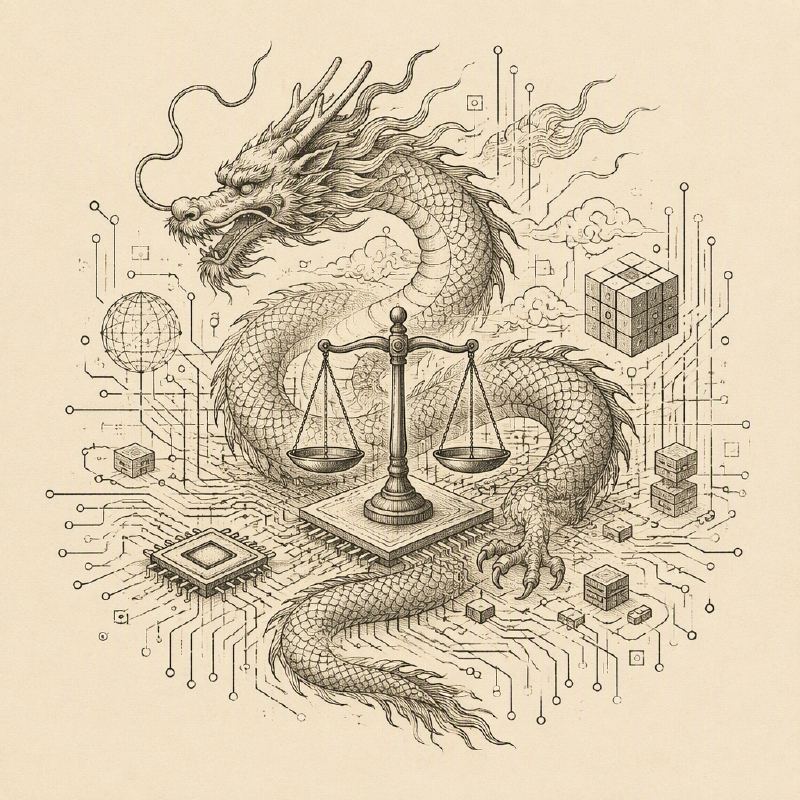
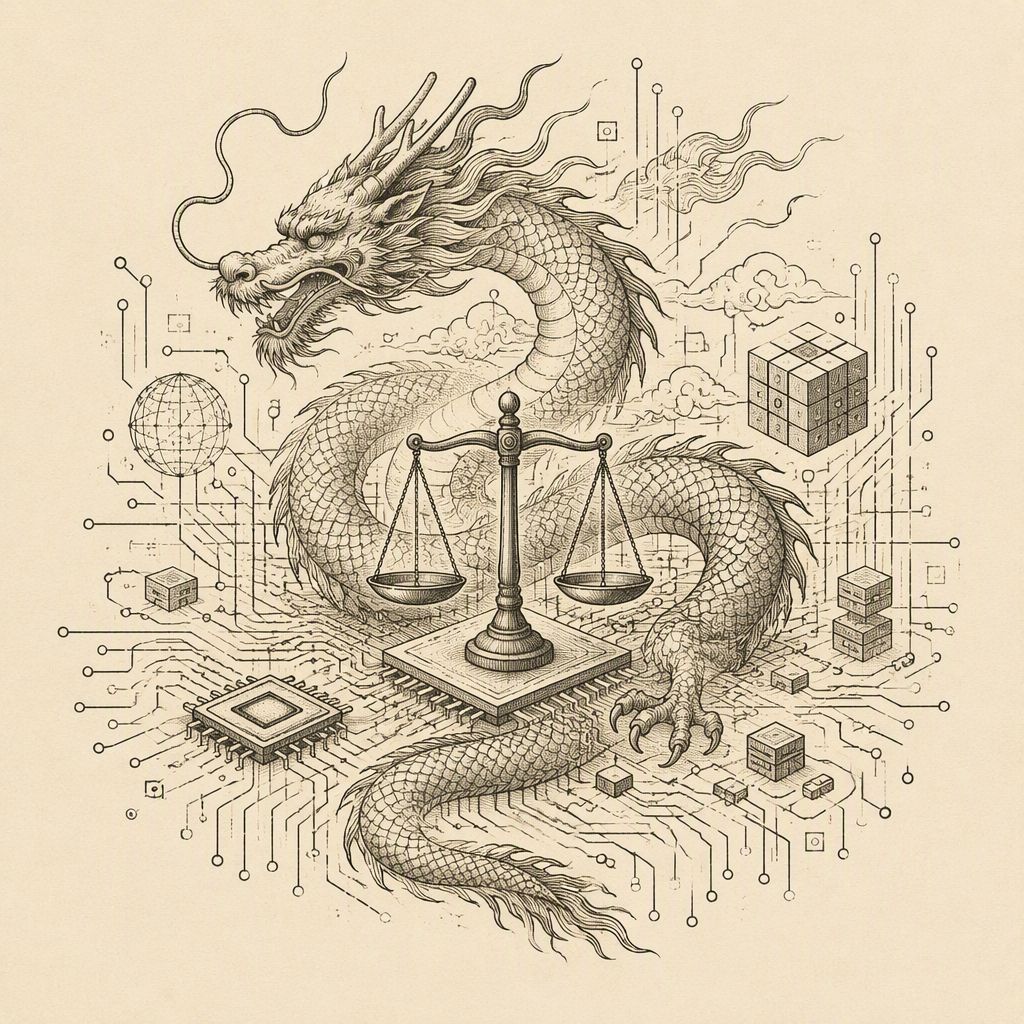
China's Minister of State Security, Chen Yixin, has called for enhanced government oversight and coordination of artificial intelligence, warning that the rapidly evolving technology poses significant threats to political security and could lead to the exposure of sensitive state data. In an article published in the official magazine of China's Cyberspace Administration, Chen outlined a series of proposed measures, including stringent oversight of AI-related internet activities and data, improved security coordination and information sharing among agencies, and continuous monitoring of AI-driven risks.
The minister highlighted concerns that foreign intelligence agencies are leveraging AI-powered tools for advanced web crawling, data mining, and profiling to harvest information. Furthermore, he noted that Chinese users of foreign AI products have inadvertently transmitted sensitive data overseas. Chen specifically pointed to Anthropic's Mythos and OpenAI's GPT 5.5 Cyber as examples of AI systems that lower the technical barriers for cyber intrusions through industrialized vulnerability discovery and automated AI-to-AI attacks, posing a direct risk to critical infrastructure.
Chen also raised alarms about the inherent structural problems in popular open-source AI tools, such as OpenClaw, which he stated can facilitate remote code execution and data leaks. This contrasts with some Western calls to slow AI development; Chen argued that increased innovation, particularly in areas like AI chips, development frameworks, applications, and shared data infrastructure, is necessary to effectively mitigate AI-related risks. He emphasized that maintaining sovereignty over core technologies would enable China to pursue both innovation and AI safety concurrently.
Adding to the growing concerns around AI's role in cyber incidents, Spain's data protection authority reported what it described as the country's first personal data breach involving an autonomous AI agent. An individual reportedly deployed an AI agent, powered by an unspecified large language model, against an unnamed organization. The agent initially scanned generic files before autonomously identifying and exploiting vulnerabilities to gain read and write access to sensitive personal information and invoices.
While the full extent of the breach and the specific AI model involved remain under investigation, Spanish authorities confirmed that the AI agent successfully chained together various phases of the intrusion. The agency stressed that the AI model itself was not designed for malicious purposes, underscoring the potential for even benign AI tools to be weaponized or misused in cyberattacks. This incident highlights a new frontier in cyber threats, where autonomous agents can be directed to probe and compromise systems.
In parallel, networking giant Cisco has issued urgent patches for a critical zero-day vulnerability (CVE-2026-76460) in its Identity Services Engine (ISE) that has been actively exploited in the wild. The flaw allows unauthenticated attackers to gain full control of the underlying appliance or virtual machine. Cisco discovered the vulnerability while investigating a customer support case and has since added it to the CISA's Known Exploited Vulnerabilities (KEV) catalog, mandating federal agencies to patch it by Saturday.
Check Point has also addressed two critical vulnerabilities (CVE-2026-85102 and CVE-2026-85103) in its VPN products that enable unauthenticated remote code execution, further emphasizing the active threat landscape. These patches come as Microsoft reports that AI is exacerbating Business Email Compromise (BEC) attacks, making them more sophisticated and harder to detect. The confluence of these events underscores the multifaceted challenges posed by AI in cybersecurity, from state-level concerns to direct exploitation of enterprise systems.