
China Accused of Using Space Investments for Intelligence Gathering in New Zealand
New Zealand's intelligence agency reports that Chinese companies are attempting to establish ground-based space infrastructure in the country for intelligence gathering, posing a significant national security concern.
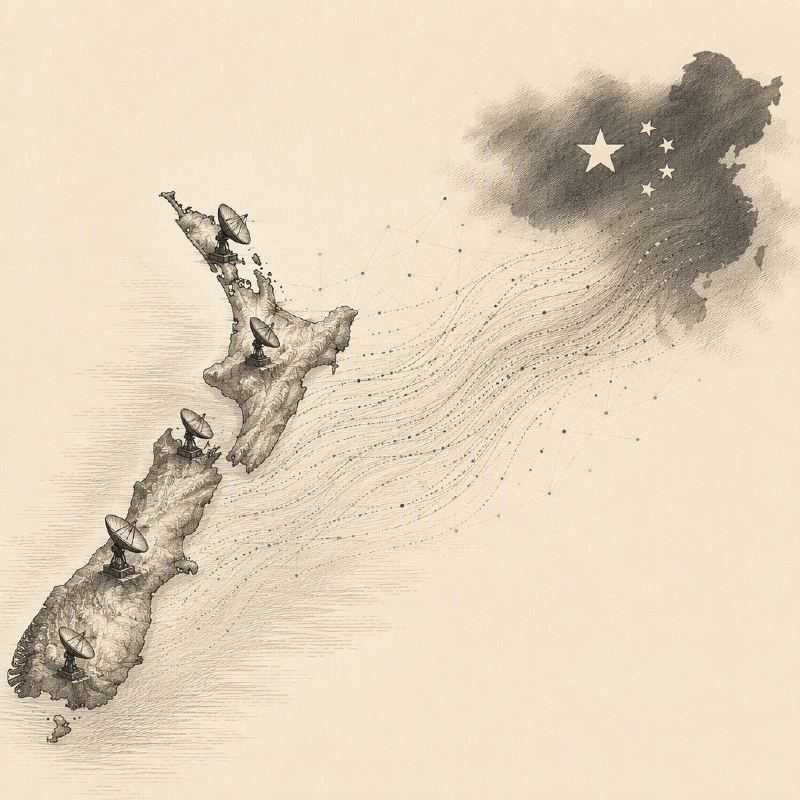
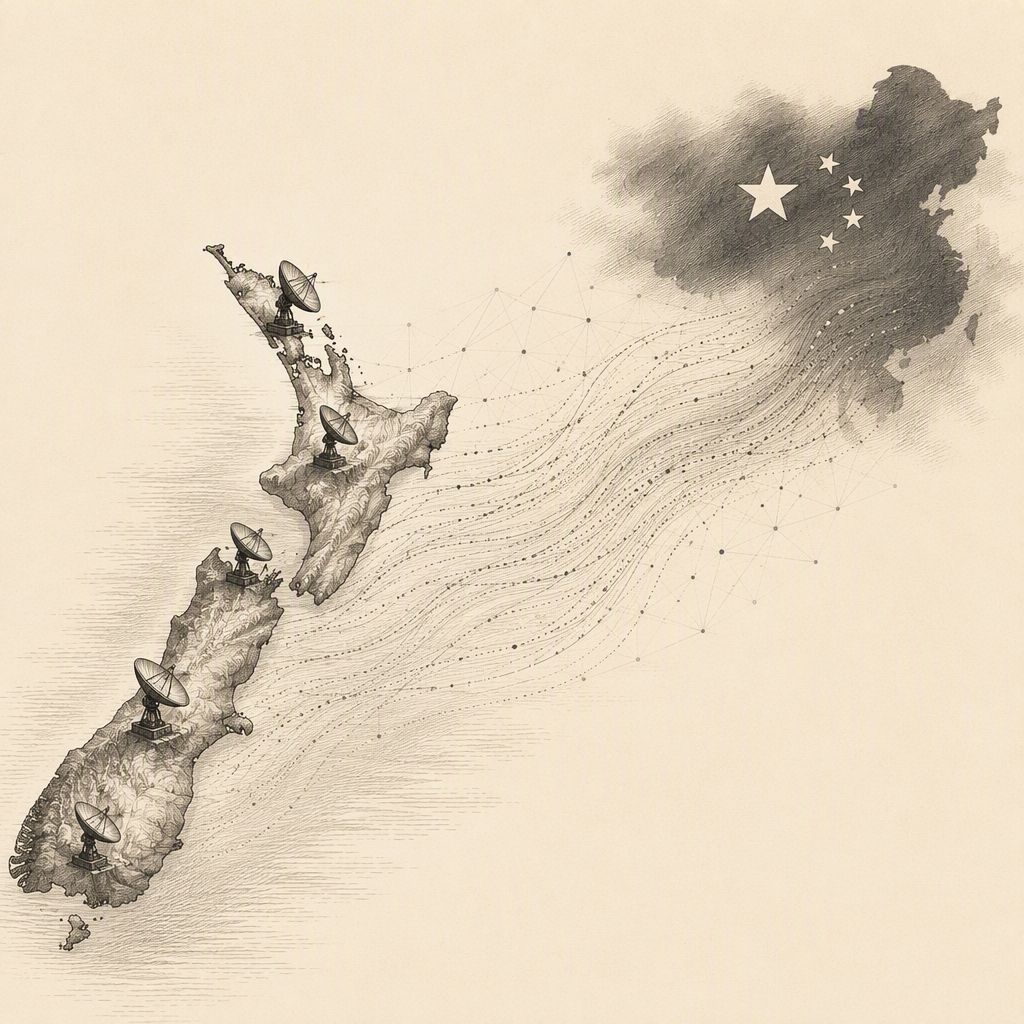
New Zealand's Security Intelligence Service (NZSIS) has raised alarms over alleged attempts by Chinese companies to establish ground-based space infrastructure (GBSI) within the nation for the purpose of gathering military intelligence. The agency's annual threat environment assessment highlights that New Zealand's burgeoning space sector, due to its advantageous geographical location, is an attractive target for foreign states seeking to advance their military capabilities and intelligence operations.
The NZSIS pointed to a specific case involving the "Purple Mountain Observatory," an organization with reported close ties to Beijing. This entity reportedly sought to install GBSI in New Zealand. The intelligence service noted that a local company involved in this endeavor was likely unaware of the equipment's true capabilities for collecting intelligence of military value, and crucially, would not know who was receiving the data. Given China's national security laws, which can compel organizations to share information with the government, the NZSIS believes that any data collected by Purple Mountain Observatory would have been willingly passed on to Beijing.
While the NZSIS, in collaboration with other agencies, successfully disrupted this particular activity, the report cautions that this was not the first attempt by the organization to install its own GBSI in New Zealand and is unlikely to be the last. This underscores a persistent effort by Chinese entities to leverage New Zealand's space infrastructure for intelligence purposes.
The report identifies China as the sole country actively targeting New Zealand at a significant scale, based on observable activities. Beyond the space sector, the NZSIS has observed an increase in espionage targeting professional networking sites and online job platforms by China's military intelligence services. These operations often involve PRC intelligence officers or their affiliates posing as consultants, think tank employees, or recruiters.
These intelligence officers use aggressive tactics, posting lucrative online job advertisements for roles requiring expertise in foreign policy, international relations, defense, or security. Candidates are then vetted to assess their access to sensitive information and their willingness to divulge it. The report notes that intelligence officers frequently encourage successful candidates to maintain their government jobs, thereby ensuring a continuous flow of information and creating opportunities to recruit their colleagues.
The NZSIS also indicated that some recent cyber-attacks against New Zealand may have been orchestrated by state-backed groups aiming to destabilize the nation. The agency's work involves sifting through vast amounts of online data to identify potential threats, a task made more complex by the internet's scale and anonymity, likening it to finding "the sharpest needle in endless giant stacks of needles."
Furthermore, the agency monitors encrypted messaging services and gaming platforms to counter the spread of violent extremist content and online radicalization. Algorithms on social media platforms can inadvertently link users from non-violent content to progressively more extreme material. The report also acknowledges that New Zealand violent extremists utilize these same platforms to circulate objectionable content and weapon tutorials, and to connect with like-minded individuals.