
ChargePoint Home Flex EV Chargers Vulnerable to Physical Authentication Bypass
A physical access vulnerability in ChargePoint Home Flex EV chargers allows attackers to bypass authentication, potentially enabling unauthorized access to device functions.
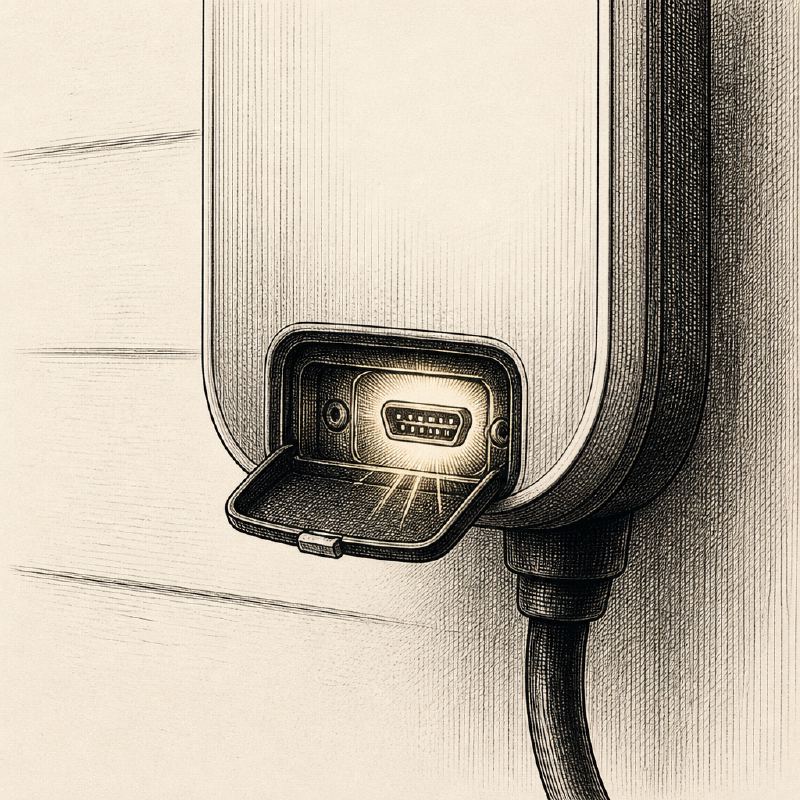
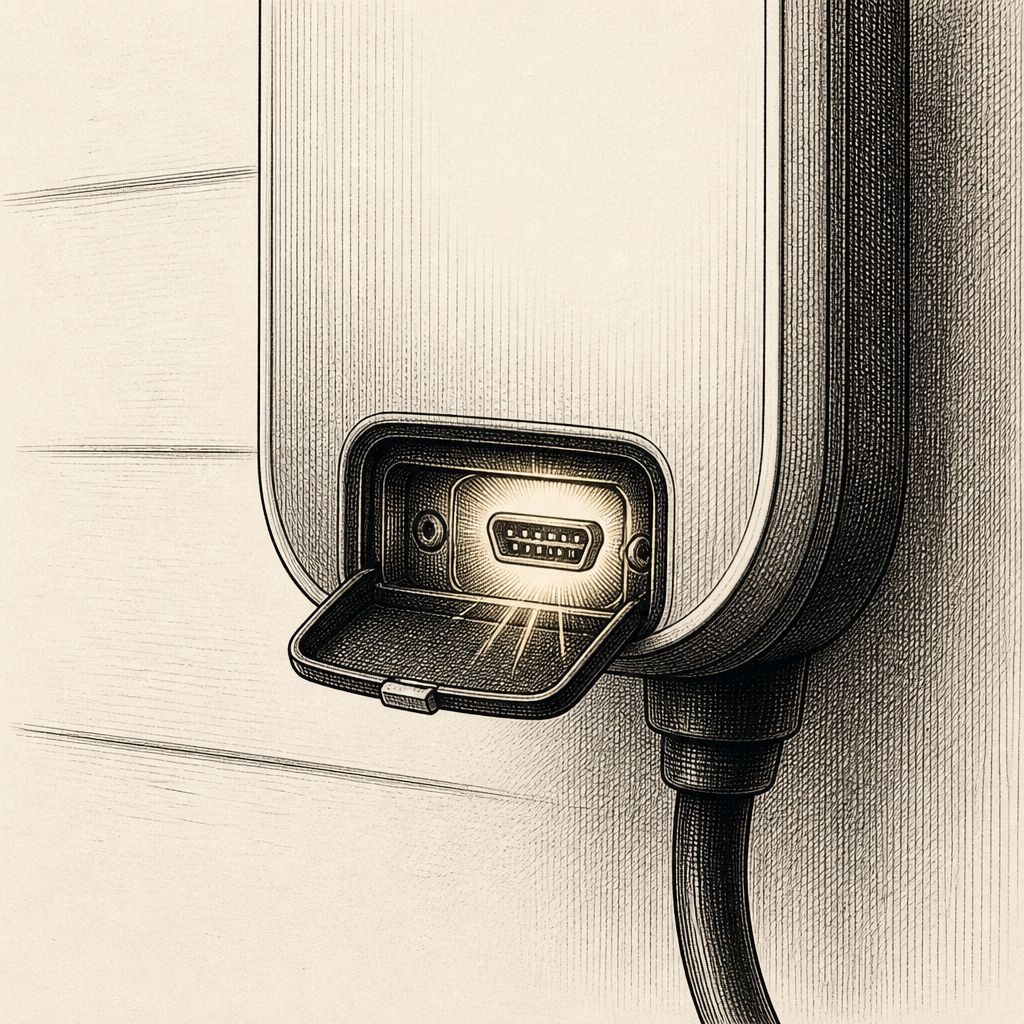
Security researchers have disclosed a critical vulnerability affecting ChargePoint Home Flex Electric Vehicle (EV) chargers, enabling physically present attackers to bypass authentication mechanisms. The flaw, identified as ZDI-26-1115 and assigned CVE-2026-131819, resides within the device's serial debug interface.
The vulnerability stems from an improper access control flaw, meaning the system fails to adequately restrict access to sensitive functions. Crucially, exploitation of this vulnerability does not require any prior authentication, making it accessible to anyone with physical proximity to the charging station. This lack of authentication bypass could allow an attacker to gain unauthorized access to the charger's configuration or operational settings.
The Zero Day Initiative (ZDI), which published the advisory, rated the vulnerability with a CVSS score of 4.3, classifying it as medium severity. While the score indicates a moderate risk, the physical access requirement limits the attack vector to individuals who can directly interact with the device.
ChargePoint has addressed this vulnerability by releasing firmware version 2024.02.00.259-alpha. Users of the Home Flex charger are strongly advised to update their devices to this latest firmware to mitigate the risk.
The vulnerability was discovered by Bongeun Koo and Evangelos Daravigkas of Team DDOS, who reported it to the vendor on March 11, 2026. The coordinated public release of the advisory occurred on November 24, 2026, following the vendor's patch.
While the direct impact of bypassing authentication on a home EV charger might seem limited, it could potentially lead to unauthorized charging sessions, manipulation of charging schedules, or even denial-of-service conditions if an attacker can disrupt the device's normal operation. For businesses or public charging locations utilizing these chargers, the implications could be more significant, potentially affecting billing, user access, and overall service availability.
This disclosure highlights the ongoing importance of securing even seemingly niche IoT devices. As EV adoption grows, so does the attack surface for related infrastructure, underscoring the need for robust security practices and timely patching by manufacturers and diligent updates by consumers.
This vulnerability serves as a reminder that physical security is a critical component of overall cybersecurity. Even with strong digital defenses, a determined attacker with physical access can pose a significant threat, particularly to networked devices like EV chargers.
This new advisory, ZDI-26-1113, details a separate remote code execution vulnerability affecting ChargePoint Home Flex EV chargers. Unlike the previously reported physical authentication bypass, this flaw allows network-adjacent attackers to execute arbitrary code without authentication by exploiting a command injection vulnerability in the wpa_passphrase endpoint. The vulnerability has been assigned CVE-2026-131817 and carries a CVSS score of 8.8.
This advisory details a separate SSH-based authentication bypass vulnerability (CVE-2026-131816) in ChargePoint Home Flex EV chargers, distinct from the previously reported physical access flaw. The new vulnerability, discovered by Sina Kheirkhah and demonstrated at Pwn2Own, leverages hard-coded SSH credentials and is exploitable by network-adjacent attackers without prior authentication. ChargePoint has released firmware version 2024.02.00.259-alpha to address this specific SSH issue.