
Brazil's Emergency Alert System Hacked, Rogue 'Misantropi4' Warning Sent to Millions
Brazil's national emergency alert system was breached on June 20, sending a fake 'extreme alert' reading 'misantropi4' to devices across four states, prompting a Federal Police investigation.

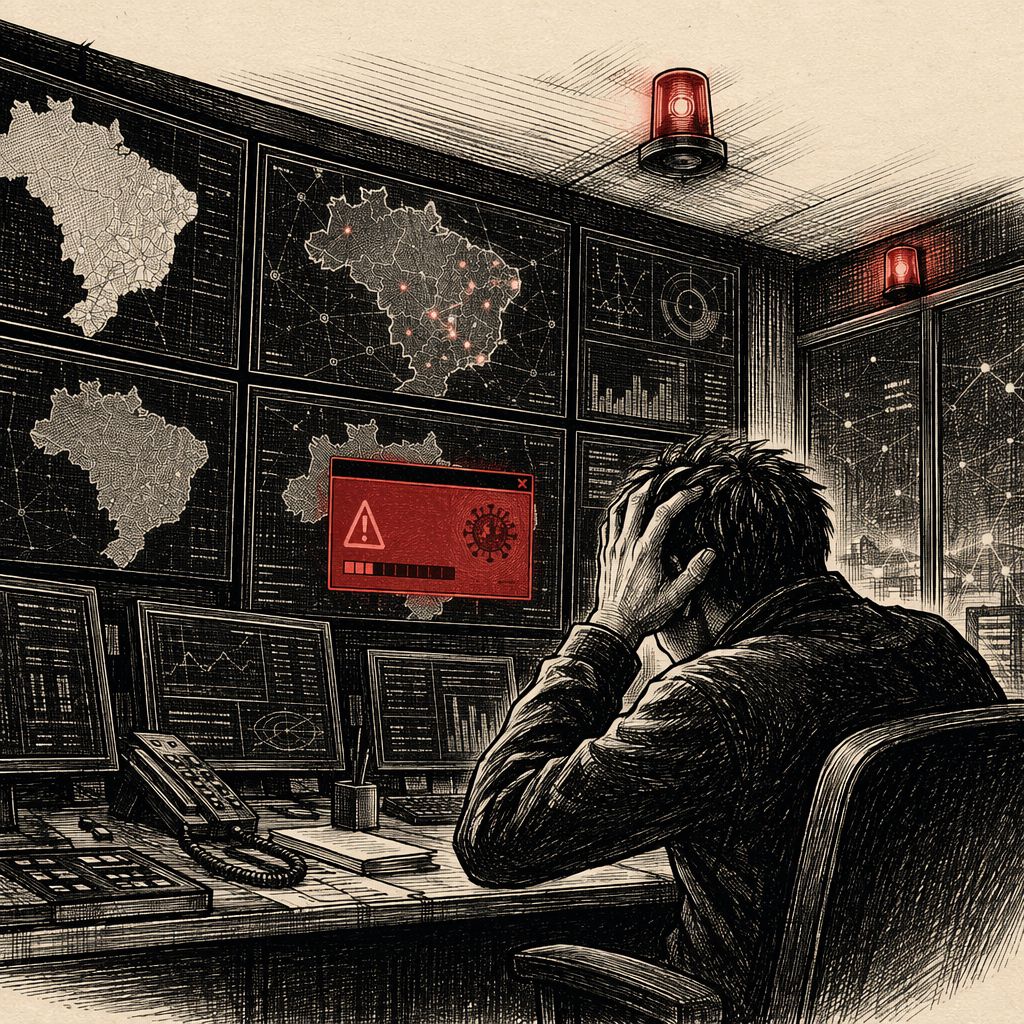
Brazil's National Secretariat for Civil Protection and Defense (SEDEC) and Federal Police (PF) are investigating a suspected hack of the country's emergency alert system after an unauthorized 'extreme' alert pinged devices across the country. Defesa Civil Nacional confirmed that its dispatch platform, often used to inform the public about severe weather events, was taken offline in the early hours of Saturday, June 20, after Brazilians reported the alert, which read: 'Alerta extremo - Defesa Civil:misantropi4.' 'Misantropia' is Portuguese for misanthropy, hatred of humankind.
The message reached an unknown number of devices, with reports coming from São Paulo, Rio de Janeiro, Paraná, and the Federal District. Civil defense authorities in all four areas confirmed the alerts were bogus and likely stemmed from an attack on the system overseen by Brazil's National Telecommunications Agency, Anatel. 'Anatel clarifies that the alert messages received by mobile phone users during the early hours of this Saturday were not issued by the competent authorities responsible for the population alert system,' it said in a statement. 'There is currently no reason for concern on the part of the population as a result of the messages received.'
National Civil Defense officials have not confirmed whether anyone responsible for the suspected breach has been identified or apprehended, although they are not believed to be part of government staff. 'The Defesa Civil Alerta dispatch platform was taken offline at 01:30 this Saturday (6/20), after suffering a breach and issuing an alert to various regions of the country, remotely ordered by someone outside the National System of Protection and Civil Defense,' the department stated. 'The message issued was of the Extreme Alert type and contained the word "misanthropy" – which means hatred of humanity. It is likely a hacker attack.'
The breach exploited the centralized dispatch platform used by civil defense authorities to broadcast warnings about floods, landslides, and other natural disasters. The system, which relies on cell broadcast technology to reach all mobile devices in a geographic area without requiring an app, was designed to save lives during emergencies. The rogue alert, however, demonstrated that the same capability can be weaponized to cause panic or disrupt public trust.
A Defesa Civil Nacional chief said in a press conference that a new dispatch system was already under development that would place greater emphasis on security and preventing unauthorized intrusions. The agency also committed to relaunching the affected system as soon as possible after ensuring it is properly secured. The incident has raised urgent questions about the security of critical public alert infrastructure, which often relies on legacy protocols and limited authentication mechanisms.
The attack comes amid growing global concerns about the vulnerability of emergency alert systems. In the United States, similar systems have been targeted by spoofing attacks, though full compromises of the dispatch platform are rare. Brazil's experience underscores the need for multi-factor authentication, network segmentation, and real-time monitoring for such high-impact systems. The Federal Police investigation is ongoing, and no arrests have been reported as of June 22.
New details from Brazilian authorities reveal that the attackers issued 10 unauthorized alerts—nine via cell broadcast technology and one via SMS—and that the rogue messages included the word "misanthropy" (Portuguese: misantropia). The Federal Police have opened an investigation, and the National Secretariat confirmed that a more secure version of the alert platform was already under development prior to the incident. Officials have not identified a suspect but stated the alerts were remotely triggered by an individual outside the national civil defense network.