
Blinder Tunnel Campaign Targets Iraqi Critical Infrastructure with Social Engineering and GitHub C2
An Iran-linked threat actor, known as Blinder Tunnel, is actively targeting critical infrastructure in Iraq using sophisticated social engineering tactics and malware hosted on GitHub for command and control.

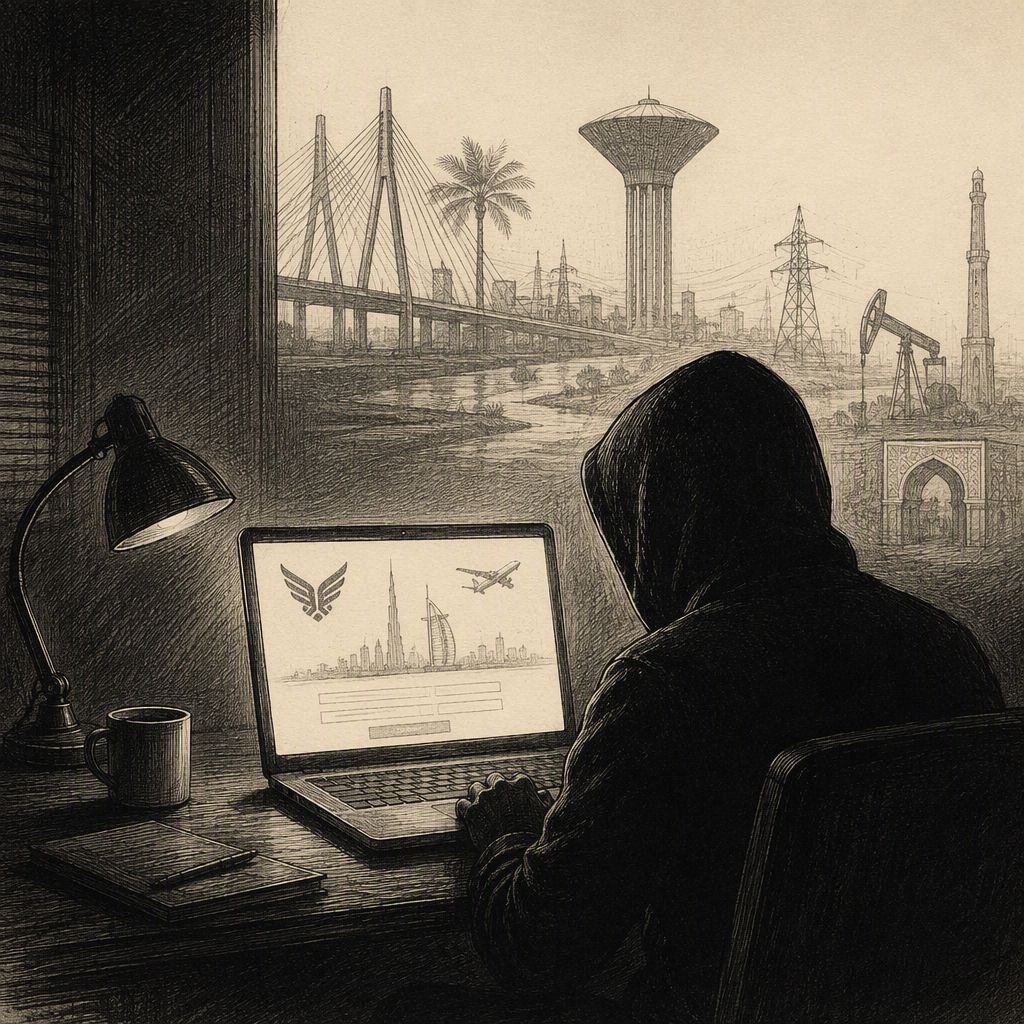
A sophisticated cyber-espionage campaign, dubbed Blinder Tunnel, has been identified as targeting critical infrastructure within Iraq. Security researchers attribute the campaign to an Iran-nexus threat actor, highlighting a persistent and well-resourced adversary focused on sensitive national assets. The campaign's methodology involves a multi-stage approach, beginning with deceptive social engineering tactics designed to lure unsuspecting individuals into compromising their systems.
The primary lure employed by Blinder Tunnel actors involves the creation of highly convincing fake recruitment materials purportedly from Dubai Airports. These lures are distributed to individuals working within or connected to the targeted Iraqi infrastructure sectors. The goal is to exploit the desire for employment or professional advancement, tricking victims into downloading malicious documents or clicking on compromised links. This social engineering vector is a common but effective method for initial access, leveraging human psychology to bypass technical defenses.
Once a victim interacts with the malicious lure, the campaign deploys malware that establishes a command and control (C2) channel. Notably, the threat actors are utilizing GitHub repositories as a platform for their C2 infrastructure. This choice of platform offers several advantages to the attackers, including the ability to leverage a widely trusted service, potentially evade detection by security solutions that may not scrutinize GitHub traffic as closely, and maintain a degree of anonymity.
The malware itself is designed to facilitate further compromise and data exfiltration. While specific details on the malware's capabilities are still emerging, its role in a campaign targeting critical infrastructure suggests functionalities such as remote access, reconnaissance, and the potential for lateral movement within victim networks. The use of GitHub for C2 indicates a level of technical sophistication and planning by the threat actors.
The targeting of critical infrastructure in Iraq by an Iran-linked group raises significant geopolitical concerns. Such attacks can have devastating real-world consequences, potentially disrupting essential services like power, water, or communications, and impacting national security. The persistent nature of these campaigns underscores the ongoing threat landscape faced by nations in the region.
While specific vulnerabilities exploited are not detailed in the initial analysis, the campaign's success hinges on the effectiveness of its social engineering and the stealth of its malware. The reliance on GitHub for C2 suggests a dynamic operational model, where attackers can potentially shift infrastructure quickly if detected.
This campaign serves as a stark reminder of the evolving tactics employed by nation-state-aligned threat actors. The Blinder Tunnel campaign's blend of sophisticated social engineering, the use of legitimate platforms like GitHub for malicious purposes, and its focus on critical infrastructure highlights the need for enhanced vigilance and robust security measures for organizations operating in sensitive sectors.