
Black Friday Scams Evolve, Shifting Tactics to Social Media and Avoiding Traditional Red Flags
This year's Black Friday scams are appearing earlier and employing new tactics, moving away from fake domains and holiday-specific language to impersonate retailers on social media.
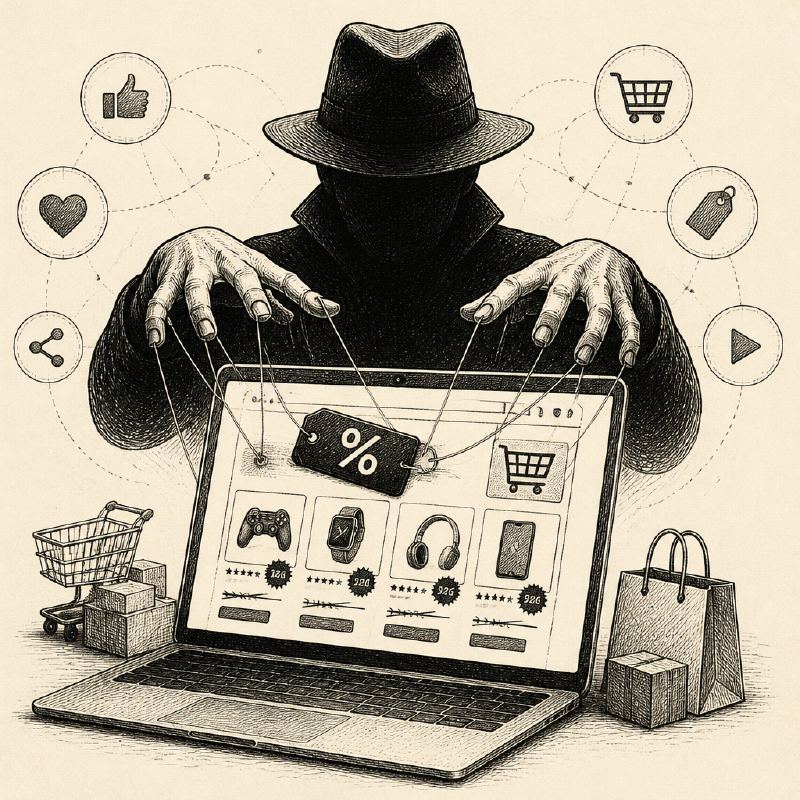
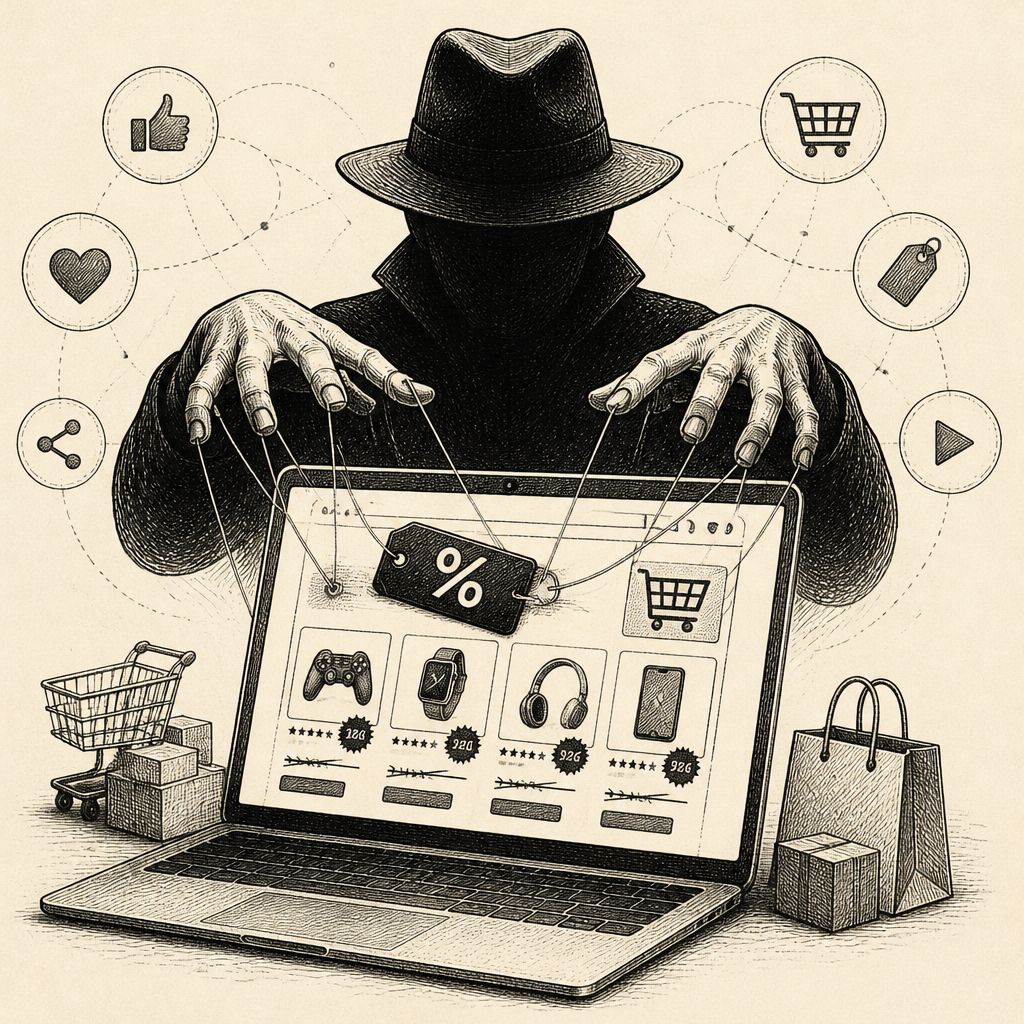
Scammers are launching their Black Friday-themed fraudulent campaigns earlier than ever, with fake deals surfacing as early as September, according to a report by Doppel. This year's tactics represent a significant shift from previous years, as these scams increasingly omit direct holiday references and avoid the use of lookalike domain names, making them harder to detect through traditional methods.
Instead of relying on deceptive URLs, threat actors are leveraging social media platforms, particularly Facebook groups and ads, to lure unsuspecting consumers. The Doppel report indicates that half of the social media brand impersonations tracked between September 1 and late October were posted within Facebook groups, and a staggering 99.7% of confirmed fraudulent ads ran on Facebook Ads. This strategy capitalizes on the trust and implied vetting within these online communities, where users actively seek out discounts.
Doppel's research highlights that the common habit of checking a website's address for brand legitimacy is becoming less effective. Approximately one in four fake pages are hosted on legitimate platforms like Google Sites, Blogger, and GitHub Pages, often using generic deal-related terms while displaying the brand's logo. This sophisticated approach allows scammers to bypass superficial security checks.
More than a third of these deceptive sites are designed to steal login credentials for existing accounts. A concerning tactic observed is "cloaking," where the site displays harmless content to scanners, reviewers, or brand employees, but reveals the malicious lure only to targeted shoppers, sometimes even differentiating based on the device used, such as displaying a fraudulent sale only on mobile phones.
The types of brands being impersonated have also evolved. While travel and cryptocurrency brands were heavily targeted in previous years, business software has emerged as the top target in 2026, followed by travel, crypto, retail, and payment brands. Researchers note that a "holiday discount is a credible pretext for any brand a shopper has an account with," making a wide range of companies vulnerable.
Travel scams, in particular, have adopted the Black Friday theme more directly, with many confirmed pages posing as travel fare or booking sites. This trend is attributed to the high-value nature of travel purchases and the perceived scarcity associated with holiday deals, which can pressure consumers into making quick decisions. Notably, Cyber Monday has not appeared in the addresses of confirmed lookalike sites in three holiday seasons, suggesting a preference for the "Black Friday" branding among threat actors.
Beyond web-based attacks, the report also found that a quarter of confirmed brand impersonation text messages were delivered via iMessage and RCS, bypassing traditional SMS spam filters. This multifaceted approach underscores the evolving sophistication of cybercriminals targeting consumers during peak shopping periods.
Doppel concludes that the evolving nature of these scams presents a significant challenge for security leaders, as the lures are no longer dependent on whether the targeted brand actually offers sales. The focus has shifted to exploiting consumer behavior and trust in online communities and familiar brands, regardless of the brand's promotional activities.