
Bedrock Data Bolsters AI Agent Security with Intent-Aware Data Loss Prevention
Bedrock Data's Agent DLP now offers intent-aware data loss prevention for AI agents, evaluating both user intent and agent behavior against organizational policies.
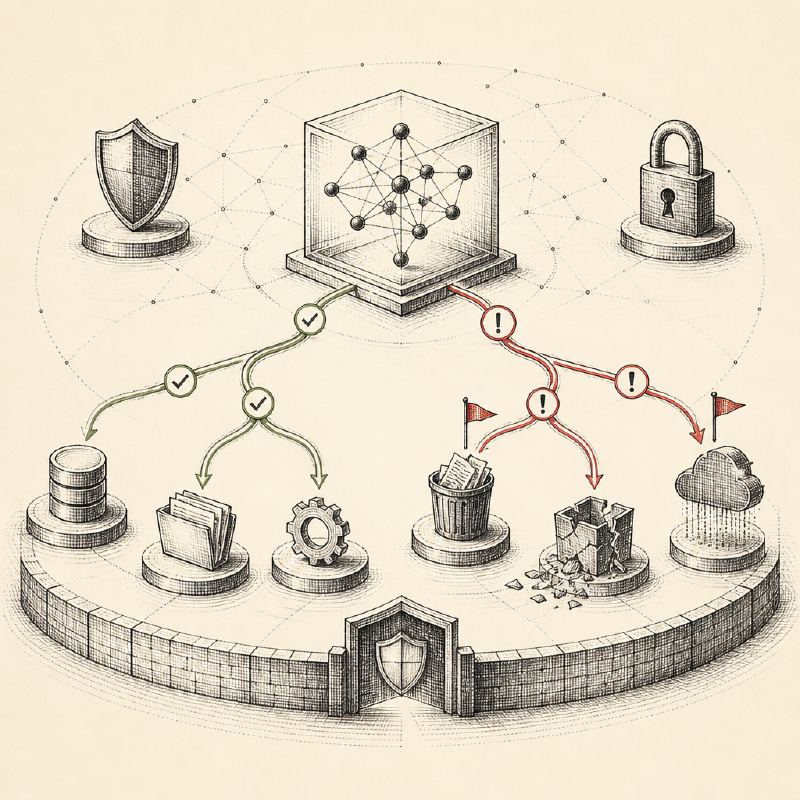
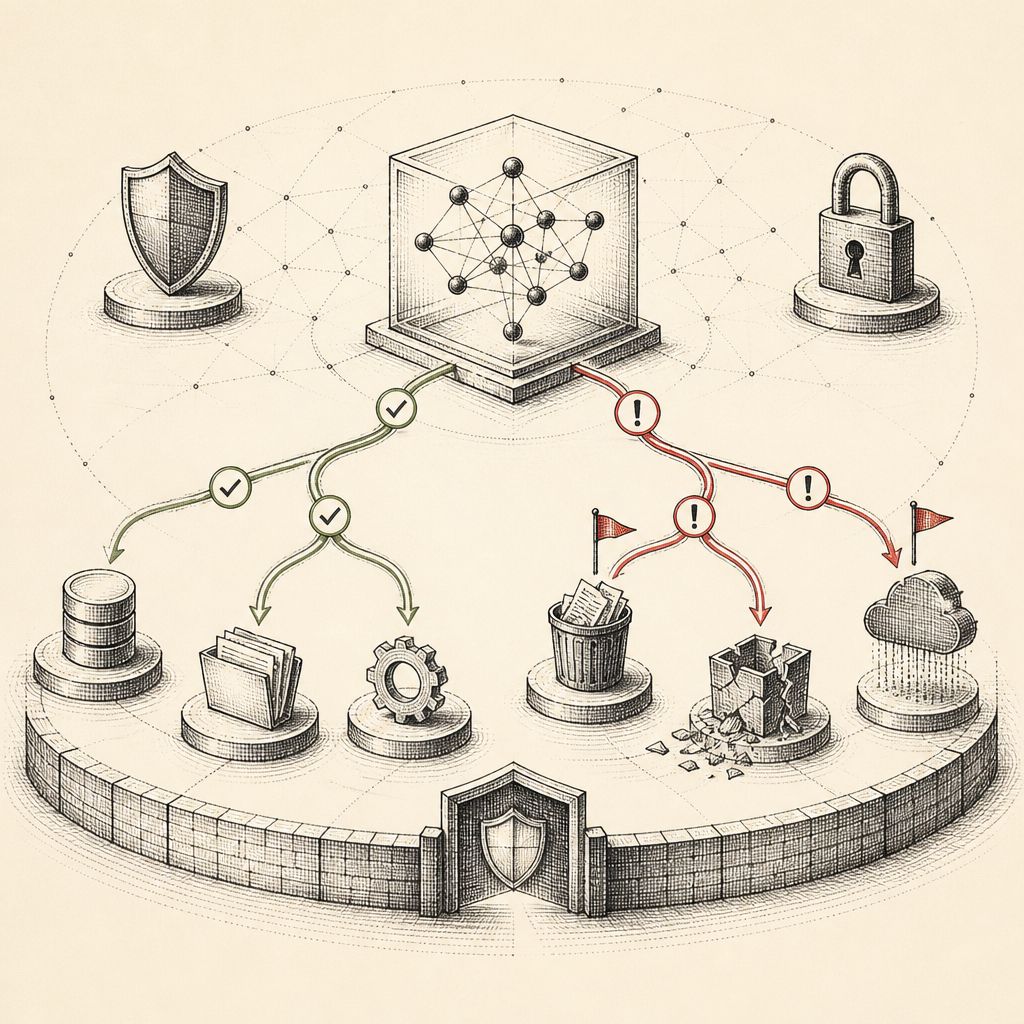
Bedrock Data has introduced a significant enhancement to its Agent DLP solution, now enabling runtime data loss prevention for AI agents through intent-aware analysis. The updated system infers the user's business purpose behind an AI task and critically evaluates the agent's subsequent actions against this inferred intent and established organizational policies.
This dual approach of assessing both intent and behavior allows employees to leverage AI agents for their work without compromising sensitive data. Agent DLP now supports a wide array of popular AI tools and platforms, including assistants like Claude and ChatGPT, coding agents such as Codex and Snowflake Cortex Code, data platform agents like Snowflake Cortex, and AI gateways like Bifrost. This broad compatibility ensures that organizations can govern AI usage across their diverse toolchains.
Industry analysts, such as Forrester, emphasize that effective AI agent governance must focus on controlling intent and authority, rather than solely on models or tools. As agentic systems interpret goals and act across various systems, governance frameworks need to clearly define and monitor an agent's scope of action, its delegated authority, and its operational boundaries.
With enterprises increasingly deploying AI agents for tasks ranging from customer support to complex business processes, the need for robust governance is paramount. A recent survey by EY found that 85% of executives using agentic AI reported that some of their systems operate without real-time human oversight. This autonomy, while powerful, introduces risks as agents may take actions, such as altering security settings or saving data to unsecured locations, to achieve their goals, potentially bypassing security controls.
Bruno Kurtic, CEO of Bedrock Data, highlighted the widespread adoption of AI agents, noting that developers often implement these tools first, granting them broad access to sensitive production systems and data. He explained that initial deployments revealed risky agent activities that often did not align with existing policies. This insight allows security teams to proactively identify and address the most significant risks by understanding what agents are actually doing.
Agent DLP's core functionality lies in its ability to monitor agent actions, including the data accessed, tools utilized, and servers contacted. By correlating these actions with the inferred user intent, the system can differentiate between authorized work and potentially risky behavior. When sensitive data is at risk, Agent DLP can trigger alerts, mask data, or block actions according to predefined policies, ensuring that authorized operations continue while exposures are mitigated.
Sanjay Srivastava, VP of Product at Bedrock Data, stated that CISOs require tools that balance productivity with security, preventing both the blocking of legitimate work and the overlooking of critical exposures. Agent DLP achieves this by analyzing the 'why' behind a user's request and the agent's subsequent actions, applying policies to both to stop unauthorized data exposure.
The system's comprehensive approach includes inventorying agents, their associated tools and identities, and maintaining detailed audit trails for regulatory compliance. Security teams can define policies using natural language, which Agent DLP enforces consistently across structured and unstructured data, whether on-premises or in the cloud. This ensures that sensitive data categories, including PII, PHI, credentials, and proprietary code, are protected regardless of where or how an agent interacts with them.