
Backdoored LoRA Models Pose New AI Supply Chain Risk
CrowdStrike researchers have uncovered a novel supply chain attack vector targeting AI models, specifically through malicious Low-Rank Adaptation (LoRA) files designed to execute arbitrary code.
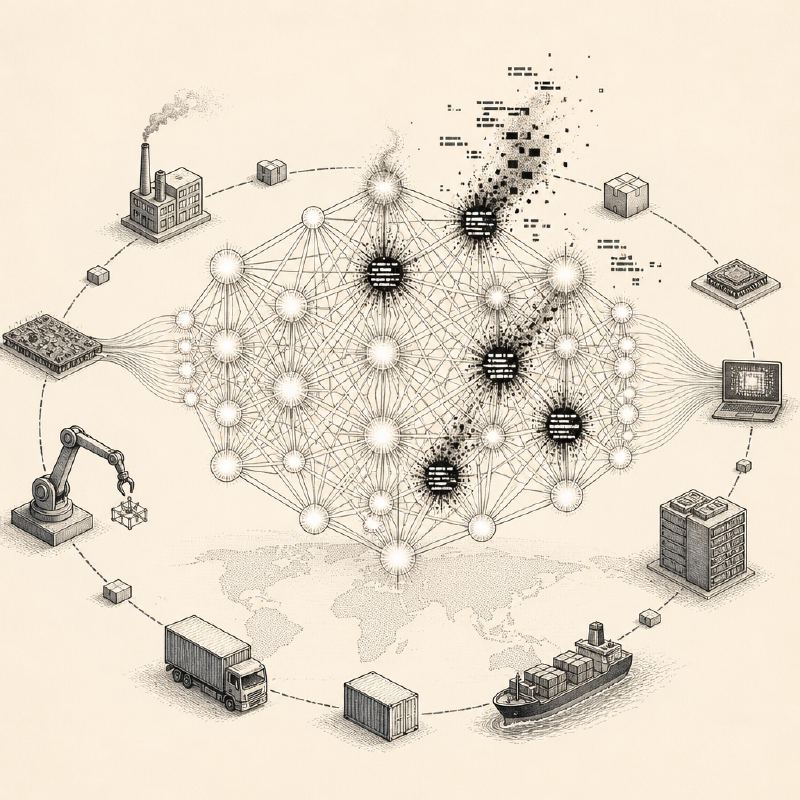
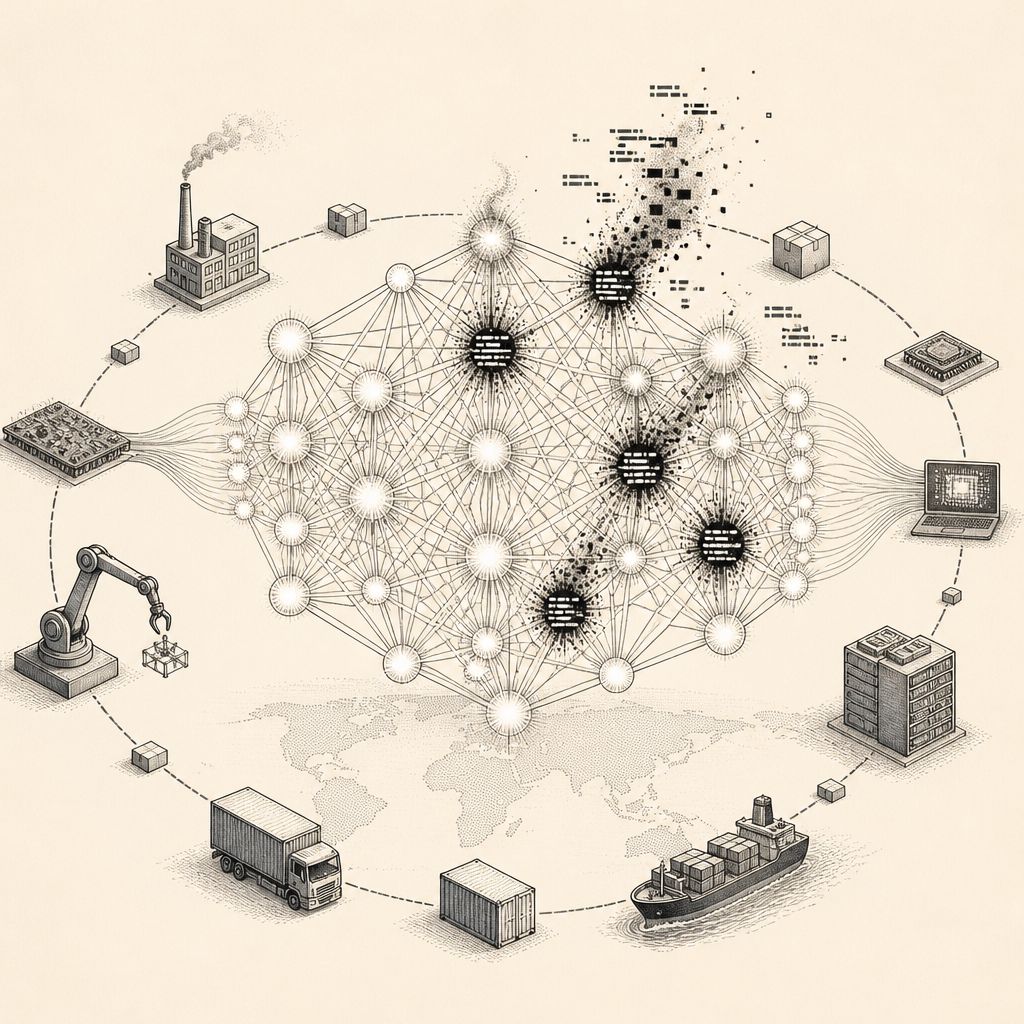
A new and insidious supply chain risk has emerged within the rapidly evolving artificial intelligence landscape, targeting the very models that power advanced applications. Researchers at CrowdStrike have detailed a campaign distributing backdoored Low-Rank Adaptation (LoRA) files, which, when loaded into popular AI image generation models like Stable Diffusion, can lead to the execution of arbitrary code on a user's system.
LoRA is a technique used to fine-tune large pre-trained AI models efficiently. It works by injecting smaller, trainable matrices (adapters) into the existing model architecture. This allows users to customize models for specific tasks or styles without retraining the entire massive model, making AI customization more accessible. However, this accessibility also opens doors for malicious actors.
The discovered attack campaign leverages platforms like Hugging Face, a popular hub for sharing AI models and datasets, to distribute these tainted LoRA files. Users seeking to enhance their AI models with new capabilities or styles unknowingly download and integrate these malicious adapters. Once loaded into a compatible AI model, the backdoored LoRA file can trigger the execution of malicious commands on the host machine, effectively turning a tool for creativity into a vector for compromise.
The implications of this attack are significant for the broader AI ecosystem. As more organizations and individuals adopt AI technologies, the reliance on shared models and fine-tuning components like LoRA files increases. This creates a fertile ground for supply chain attacks, where the integrity of the entire AI pipeline can be compromised through a single malicious component. The ease with which these backdoored files can be distributed and integrated makes them a potent threat.
CrowdStrike's analysis highlights the technical mechanism of the attack, where the malicious LoRA files contain embedded code that is executed when the AI model processes certain inputs or during the loading process itself. This allows attackers to gain a foothold on the user's system, potentially leading to data theft, further malware deployment, or lateral movement within a network. The specific nature of the executed code can vary, depending on the attacker's objectives.
While the immediate impact is on individual users and their systems, the long-term consequences could extend to organizations that integrate these compromised AI components into their workflows. The trust placed in open-source AI resources and model-sharing platforms is directly challenged by such attacks. This necessitates a more rigorous approach to vetting AI components, akin to the security practices applied to traditional software supply chains.
Mitigation strategies include heightened vigilance when downloading and integrating AI model components from third-party sources. Users and organizations should exercise caution, verify the source of LoRA files, and consider implementing security scanning tools specifically designed to detect malicious code within AI model artifacts. The AI community and platform providers will need to develop robust mechanisms for detecting and preventing the distribution of such compromised components to maintain trust and security.
This discovery underscores a growing trend of attackers targeting the AI development and deployment lifecycle. As AI becomes more pervasive, securing its components, from training data to fine-tuning adapters, is paramount. The 'Hidden in the Weights' campaign serves as a stark reminder that the supply chain risks associated with AI are evolving and require continuous attention and proactive defense.