
Baby Monitors Evolve into AI-Powered Surveillance Systems, Raising Privacy Alarms
Consumer baby monitors are increasingly incorporating AI to track infant development, expanding surveillance into children's lives and raising significant privacy concerns.
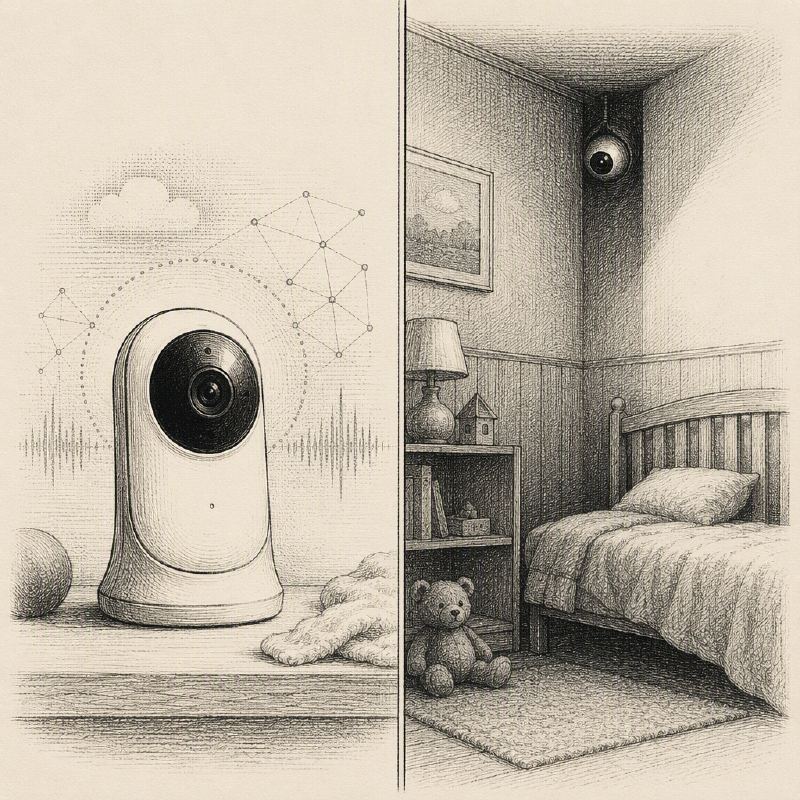
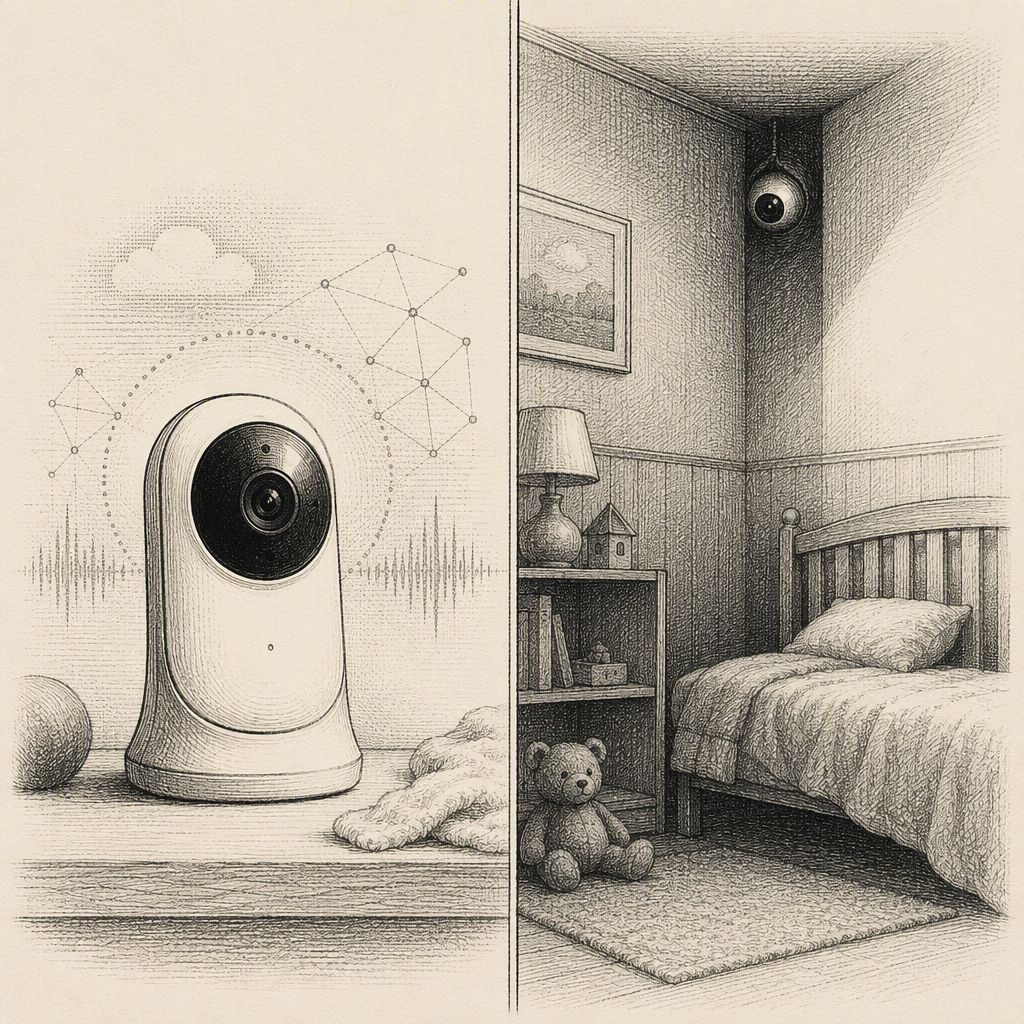
Consumer technology aimed at monitoring infants is rapidly evolving, with companies like Nanit leveraging artificial intelligence to collect extensive data on a child's development. This trend shifts baby monitors from simple surveillance devices to sophisticated AI-driven platforms that track speech, language, and motor skills, extending their reach into children's lives well beyond infancy.
Nanit, a prominent player in this market, recently secured $50 million in funding to enhance its AI capabilities. The company plans to utilize its existing camera technology to analyze and monitor various developmental milestones. This expansion signifies a move towards continuous, in-depth tracking of children from birth through early adolescence, raising questions about the long-term implications of such pervasive data collection.
The expansion of these devices into children's bedrooms and their increasing data collection capabilities have sparked significant privacy concerns. While marketed as tools to aid parents in understanding and supporting their child's development, the sheer volume and nature of the data being collected—including audio and video feeds from a child's most private spaces—present a substantial privacy risk. The potential for this sensitive data to be misused, breached, or accessed by unauthorized parties is a growing worry.
This evolution in baby monitoring technology reflects a broader trend of integrating AI into everyday consumer devices to offer enhanced functionalities. However, the application of AI in tracking infant development pushes the boundaries of personal surveillance into a particularly vulnerable demographic. The data collected could potentially be used for purposes beyond parental assistance, such as targeted advertising or even more invasive profiling, as the technology matures and its applications broaden.
Experts in privacy and child development have voiced concerns about the normalization of such extensive surveillance from an early age. The continuous monitoring of a child's behavior, speech patterns, and physical development raises ethical questions about autonomy and the right to privacy, even for very young children. The long-term psychological impact of growing up under constant AI-driven observation remains largely unstudied.
Furthermore, the financial backing for these AI-driven monitoring systems suggests a significant market interest in this type of data. The $50 million investment in Nanit underscores the perceived value of the developmental data collected from infants and young children. This commercial interest could drive further innovation in data collection and analysis, potentially exacerbating privacy issues as companies seek to maximize the utility and profitability of the gathered information.
The expansion of these AI-powered baby monitors into early adolescence means that the surveillance net cast by these devices could ensnare children for many formative years. Parents, often seeking reassurance and assistance, may not fully grasp the extent of data collection or the potential long-term privacy implications for their children. As these technologies become more sophisticated, a critical dialogue is needed regarding the ethical boundaries of AI-driven surveillance in the domestic sphere, particularly concerning minors.