
AWS Console Private Access Can Block Personal Account Logins
Amazon Web Services' new Console Private Access feature, designed for secure access within isolated VPCs, may inadvertently prevent users from signing into their personal AWS accounts if not configured properly.
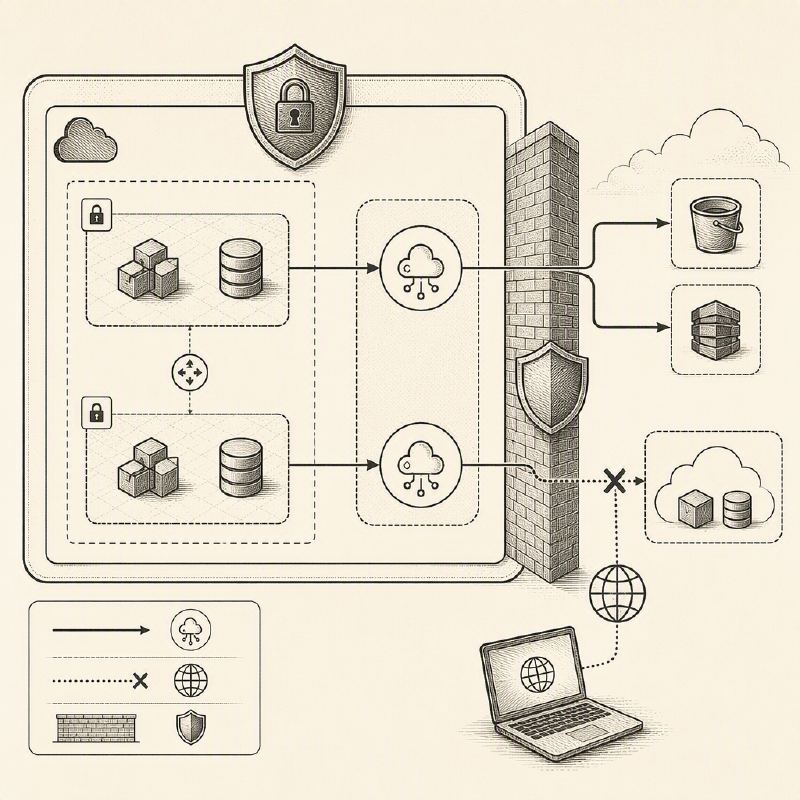
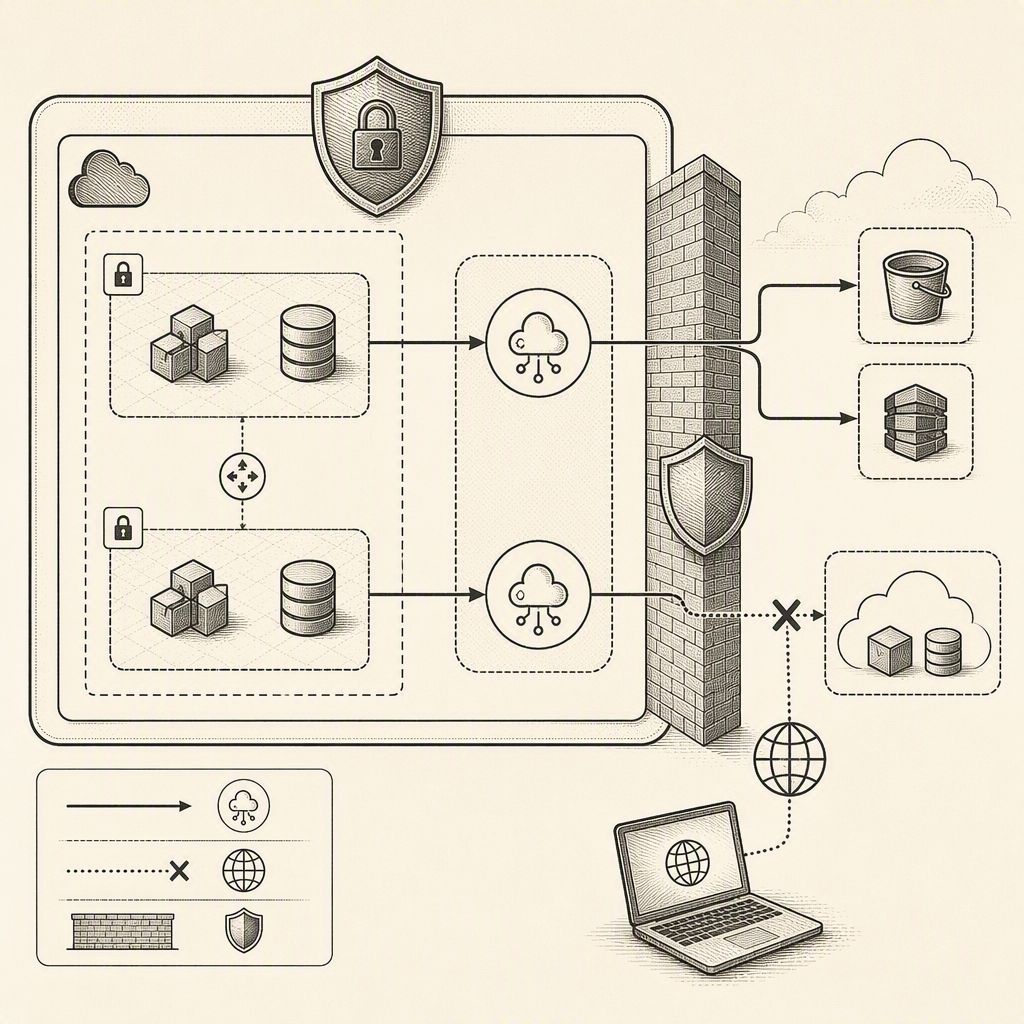
Amazon Web Services (AWS) has announced the general availability of Console Private Access, a feature intended to enhance security by allowing customers to access the AWS Management Console from within isolated Virtual Private Clouds (VPCs) without requiring an internet connection. This new capability routes all authentication flows, console APIs, and supported service API calls through AWS PrivateLink endpoints, effectively keeping traffic within the AWS network and away from the public internet.
This move is part of a broader trend towards network isolation and enhanced security postures for cloud environments. By eliminating the need for internet gateways or NAT gateways for console access, organizations can significantly reduce their attack surface and better control data exfiltration pathways. The feature is particularly beneficial for highly regulated industries or organizations with stringent network security policies that mandate air-gapped or highly restricted network access.
However, the strict network isolation imposed by Console Private Access introduces a potential complication for users who manage both corporate and personal AWS accounts. If a user's corporate network is configured to use Console Private Access, and their personal AWS account is not explicitly configured to bypass or be accessible through this private endpoint, they may find themselves unable to sign in to their personal accounts while connected to the corporate network.
The core of the issue lies in how authentication and session management are handled. When Console Private Access is enabled, the AWS Management Console relies solely on PrivateLink endpoints for communication. If a user attempts to access a personal AWS account, which might be associated with different credentials or even a different AWS organization, through the same isolated network without proper routing or configuration, the authentication requests may fail to reach the necessary AWS identity and access management services.
AWS recommends that customers carefully review their network configurations and access policies. For organizations implementing Console Private Access, it is crucial to consider scenarios where employees might need to access personal AWS accounts. This could involve creating specific routing rules, dedicated PrivateLink endpoints, or alternative secure access methods for personal account management.
While the feature aims to bolster security for enterprise workloads, the potential impact on individual users highlights the need for granular control and careful planning in cloud security deployments. Organizations should proactively communicate these potential access limitations to their employees and provide clear guidance on how to manage both corporate and personal AWS resources securely within these new network constraints.
The general availability of Console Private Access underscores AWS's commitment to providing robust security tools for its customers. As cloud environments become more complex, features like this, while offering significant security benefits, also necessitate a deeper understanding of network architecture and user access patterns to avoid unintended consequences.