
Autocratic Regimes Weaponize AI for Enhanced Control and Surveillance
Dictatorships are increasingly leveraging artificial intelligence to bolster surveillance, automate propaganda, and reduce reliance on potentially disloyal human subordinates, according to a new analysis.
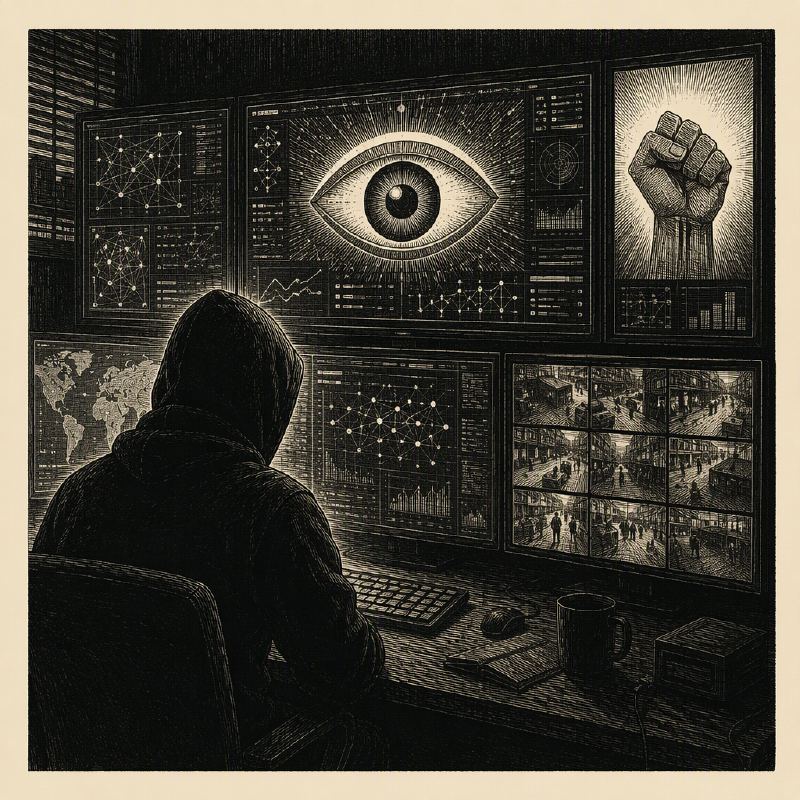
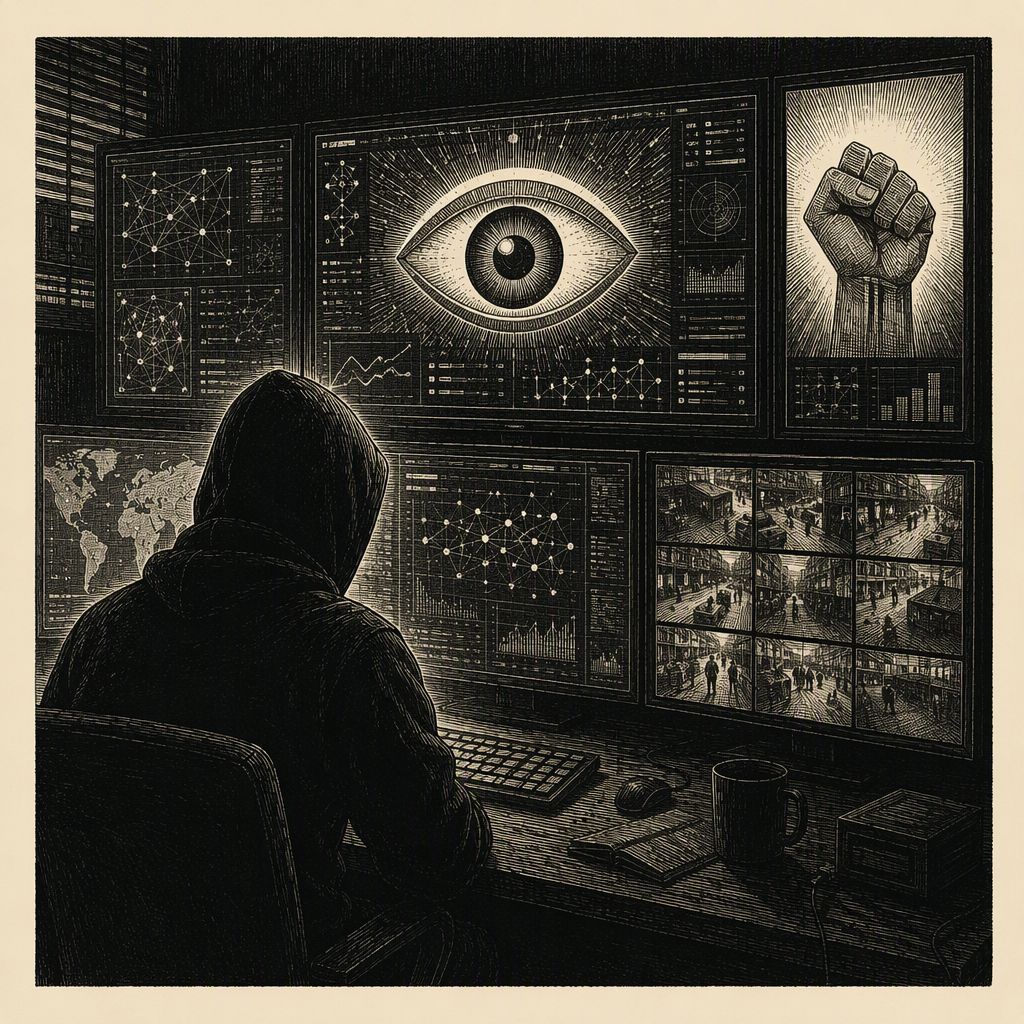
Autocratic regimes are embracing artificial intelligence not just as a tool for efficiency, but as a fundamental means to consolidate power and mitigate the inherent risks associated with human agents. The traditional dilemma for dictators has always been how to empower subordinates to carry out orders without enabling them to turn against the regime. Historically, this often meant relying on less capable individuals, a compromise that hindered effective governance. However, AI offers a seemingly revolutionary solution by enabling real-time monitoring and discipline of officials, and in some cases, the complete elimination of human intermediaries.
Russia has emerged as a notable early adopter, with state media figures like Margarita Simonyan revealing the use of AI-generated news anchors. These digital personalities require no salary, insurance, or fear arrest, and their output can be meticulously controlled. This move aims to circumvent the risks of human error, disloyalty, or leaks that plagued traditional propaganda efforts, especially in the wake of public dissent. The logic extends to governance, with Russian officials suggesting AI could replace a significant portion of government employees, thereby reducing opportunities for corruption and ensuring unwavering adherence to directives.
China is at the forefront of deploying AI for pervasive surveillance and control. Its "smart city" initiatives in major urban centers utilize AI to monitor local officials' performance and conduct algorithmic reviews, subjecting them to constant scrutiny. The "Zero Trust AI system," deployed across numerous counties, cross-references vast government databases to detect embezzlement and nepotism. While initial rollouts faced resistance from the very bureaucrats they monitored, the underlying technology for automated oversight and reduced human interaction in administrative processes continues to advance.
The application of AI in China also extends to "thought management," with efforts to create microtargeted propaganda campaigns. The human-operated internet commentator armies are increasingly being replaced by automated bots, amplifying state narratives with unprecedented scale and efficiency. This represents a significant shift in information control, moving from human persuasion to algorithmic dissemination.
Russia is mirroring these advancements with its own suite of AI-powered tools. Moscow's extensive facial recognition network, deployed across hundreds of thousands of cameras, has been used to identify and apprehend protesters. The "Oculus" system, launched by Russia's internet regulator, can scan vast numbers of images daily for prohibited content, far exceeding human censorship capabilities. Furthermore, the Russian security service's "Meliorator" tool creates thousands of fake online personas to spread Kremlin-aligned narratives, demonstrating a sophisticated approach to influence operations.
Beyond these two major powers, other autocracies are following suit. The United Arab Emirates has established a Regulatory Intelligence Office that employs AI to draft and amend federal laws, automating a process previously handled by human legislative staff. This trend indicates a global shift where authoritarian states are recognizing AI's potential to enhance state control and suppress dissent.
However, the promise of a fully AI-governed state is fraught with its own set of challenges. AI systems are not truly autonomous; they require development, maintenance, and oversight by human experts. This creates a new potential point of failure and a new elite—the cadre of AI specialists—who could wield significant influence. Rulers who rely too heavily on these systems may find themselves dependent on a new, potentially opaque, "digital Praetorian Guard," whose loyalty and capabilities are difficult to assess, thus reintroducing a familiar risk in a new technological guise.
Ultimately, while AI offers autocrats powerful new tools for surveillance, propaganda, and control, it also introduces new vulnerabilities. The pursuit of a perfectly controlled state through technology may paradoxically lead to new forms of dependence and risk, as the human element, though diminished, remains critical to the functioning and security of these advanced systems.