
Austrian Foreign Ministry Website Breached, Exposing Diplomat Contact Details
Hackers compromised the Austrian Foreign Ministry's website, accessing the names and official contact information of employees at its Vienna headquarters and global diplomatic missions.
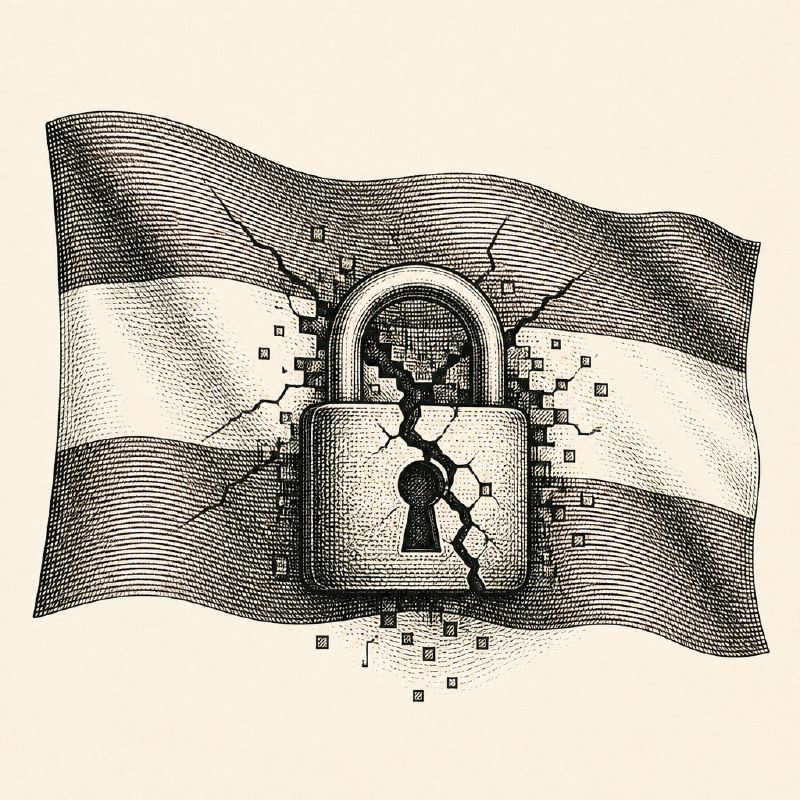
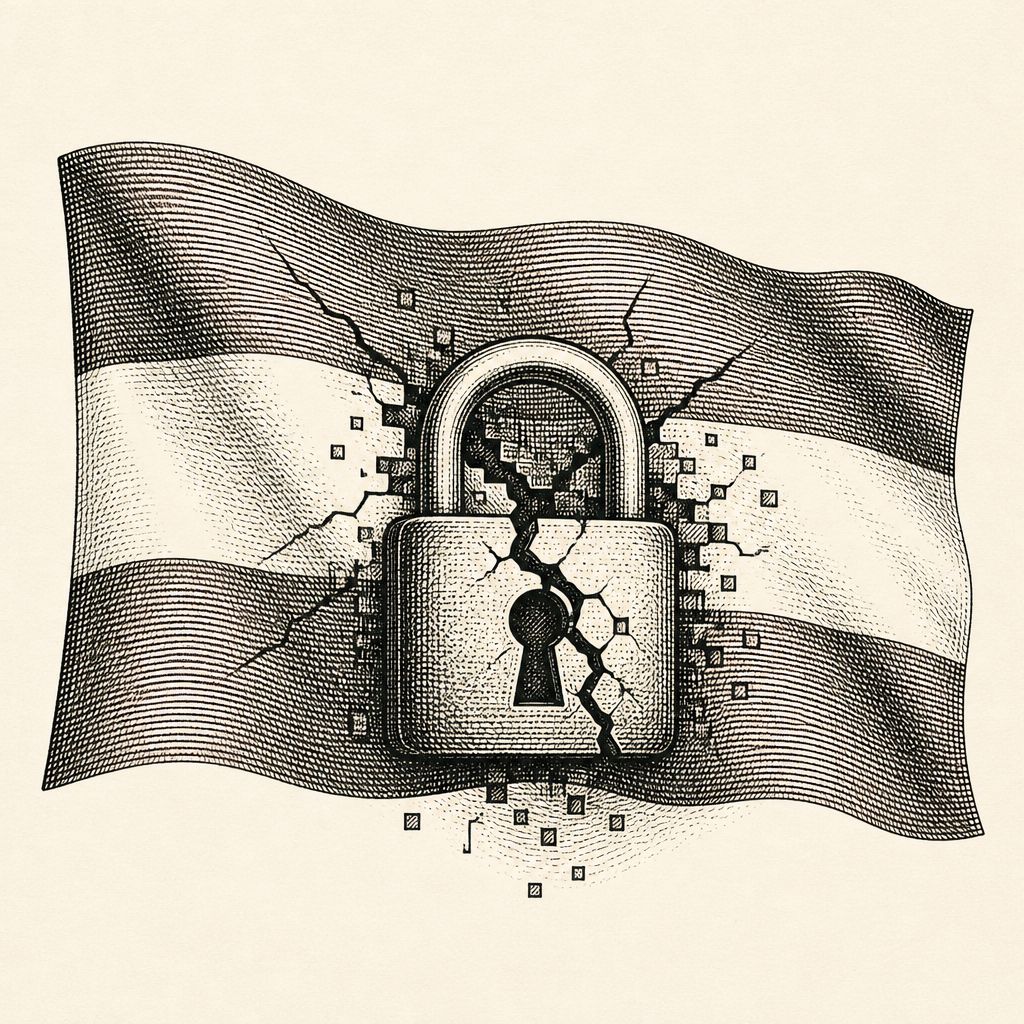
Austria's Foreign Ministry confirmed a significant cybersecurity incident last week, revealing that one of its websites was compromised between November 12 and 13. The breach resulted in unauthorized access to the names and official contact details of employees, affecting personnel at the ministry's Vienna headquarters as well as its diplomatic missions worldwide.
The compromised website was operated by an external service provider, according to a statement from the ministry. While the breach has reportedly been contained and no personal information belonging to the public was affected, the incident raises concerns about the security of sensitive government and diplomatic communications. The ministry has not disclosed the specific attack vector used by the perpetrators or whether any data beyond contact information was exfiltrated.
Authorities are investigating the incident, with the ministry stating it is taking the matter "very seriously." Austria's cybersecurity and data protection authorities have been notified. A spokesperson declined to provide specific technical details regarding vulnerabilities or security measures, citing "security reasons." The identity of the threat actor behind the attack remains unknown, and no attribution has been made.
Notably, the breach occurred during a period of widespread Microsoft service disruptions caused by a software bug. However, Austrian officials have not yet established any connection between the ministry's website compromise and the global Microsoft outage. The ministry also noted that the incident has not been attributed to any particular actor.
This is not the first time Austria's Foreign Ministry has been targeted. In late 2019 and early 2020, the ministry experienced a prolonged cyberattack, which Austria's National Security Council characterized as a targeted intelligence-gathering operation. Vienna publicly attributed that attack to Russia in July 2026, highlighting a history of state-sponsored cyber threats.
The latest incident unfolds against a backdrop of deteriorating diplomatic relations between Austria and Russia. Tensions have been high following Vienna's expulsion of several Russian diplomats and a recent Russian drone strike that damaged the Austrian Embassy in Kyiv. Despite these geopolitical factors, there is currently no public evidence directly linking Russia to this specific cyberattack, and Moscow has consistently denied involvement in cyber operations against European nations.
The breach underscores the persistent threat to government infrastructure and the importance of robust cybersecurity measures, particularly for entities handling sensitive diplomatic information. The reliance on external service providers also presents a critical area for scrutiny, as vulnerabilities in third-party systems can serve as an entry point for sophisticated attackers.