
Attackers Target SDLC Supply Chain, Hijacking Development Tools
Cybercriminals are increasingly shifting their focus from finished software to the tools and pipelines used in development, creating new supply chain risks.
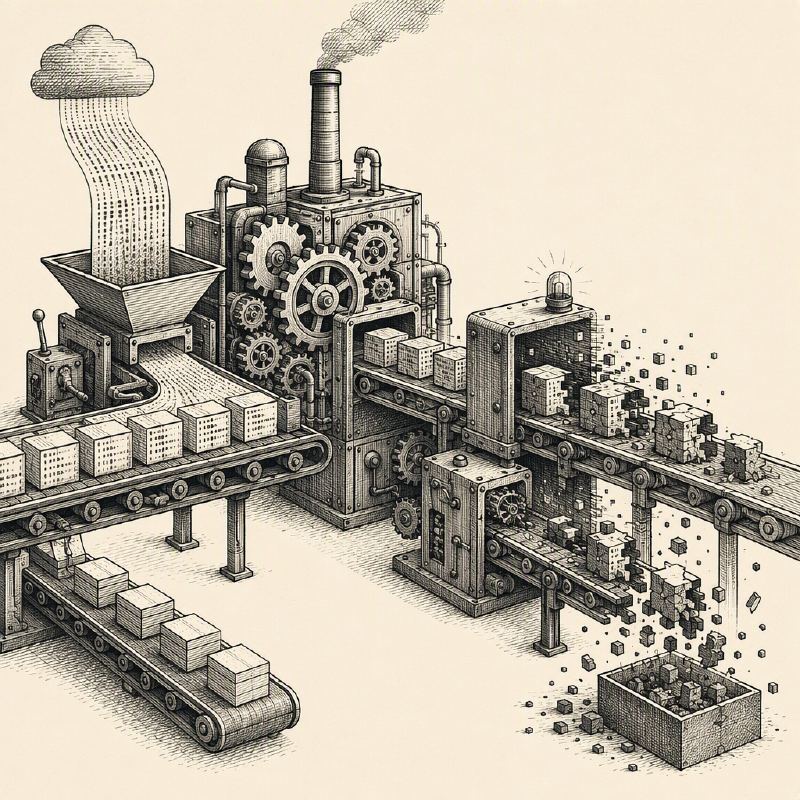
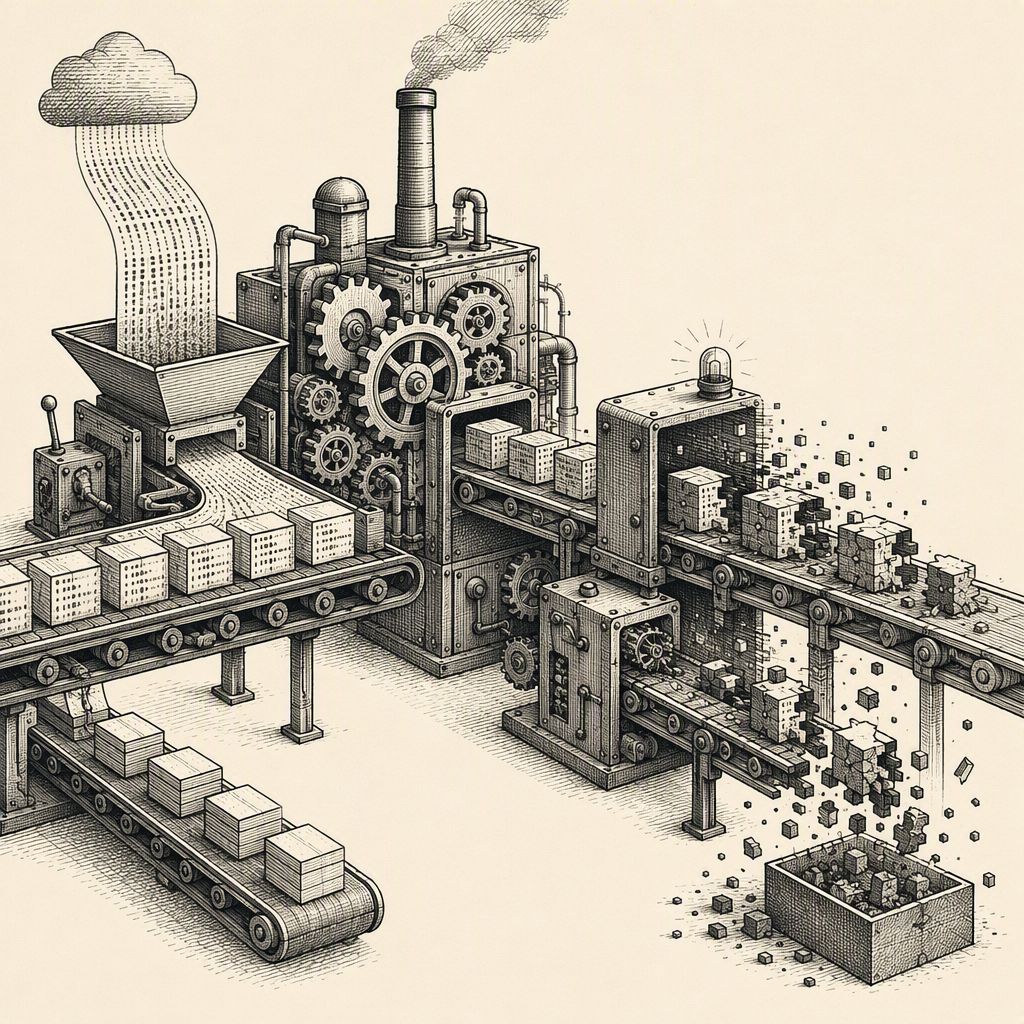
The landscape of software supply chain attacks is rapidly evolving, with threat actors now prioritizing the compromise of the software development lifecycle (SDLC) itself over traditional application code vulnerabilities. This strategic shift, observed over the past 12-18 months, involves attackers targeting the very tools and processes developers rely on, effectively poisoning the "digital factory" before software even reaches production.
Recent incidents highlight this trend. Researchers have documented attackers spending years embedding backdoors into core software components, as exemplified by the XZ Utils vulnerability (CVE-2024-3094). Other attacks involve hijacking accounts to inject malware into popular libraries, such as the Axios supply chain incident, or misusing setup scripts to steal credentials, as seen with the Shai-Hulud npm worm. These methods aim to compromise continuous integration/continuous delivery (CI/CD) pipelines and developer environments, allowing malicious code to be inserted at the source.
A notable example is the ChainDrop npm worm. This malicious campaign employed a sophisticated three-step process: first, it used a malicious preinstall script to download the Bun runtime, which then silently executed an obfuscated payload. This payload was designed to steal temporary OpenID Connect (OIDC) tokens and developer credentials directly from the memory of GitHub Actions runners. The worm then leveraged these stolen tokens to self-propagate by infecting and republishing additional npm packages, all while maintaining their legitimate functionality to evade detection.
ChainDrop further demonstrated persistence by embedding hooks within developer tools like VS Code and Claude Code, and by managing its command-and-control (C2) infrastructure dynamically through blockchain transactions. The malware's execution is triggered by the simple act of running npm install, exploiting npm's setup scripts to gain immediate access.
The implications of this shift are profound, as open-source and third-party packages are integral to every stage of the SDLC. With modern applications often composed of 80-90% open-source code, the attack surface extends from developer laptops to CI/CD pipelines and cloud infrastructure. Generating a Software Bill of Materials (SBOM) at the end of the build process is insufficient, as it fails to detect threats executed during development.
Developer tools themselves present a significant vulnerability. Unlike web browsers, which sandbox potentially malicious content, setup scripts and IDE extensions often run with the same permissions as the user. This lack of isolation allows malware to freely access files, steal secrets, and execute commands on a developer's machine. Registries and marketplaces for these tools have become prime targets, enabling attackers to gain unrestricted execution rights.
CI/CD pipelines are also heavily targeted due to their privileged access and the presence of temporary credentials and cloud access keys. Compromises of pipeline security tools, like the Trivy scanner incident, underscore the need for a Pipeline Bill of Materials (PBOM) to inventory all tools running within the build system. Furthermore, cloud runtime environments, including container images, require a comprehensive approach that tracks not only application code but also the underlying operating system components.
Securing the SDLC supply chain requires a holistic approach, extending visibility and control beyond the final application code. Organizations must implement stringent security measures across the entire development pipeline, from developer workstations to build systems and cloud deployments, to effectively mitigate these evolving threats.