
Attackers Exploit Foundational OT Weaknesses, Bypassing Need for Quantum-Cracking
A recent wave of attacks targeting European refrigeration systems highlights that basic cybersecurity hygiene, not advanced encryption-breaking, is the immediate threat to operational technology.
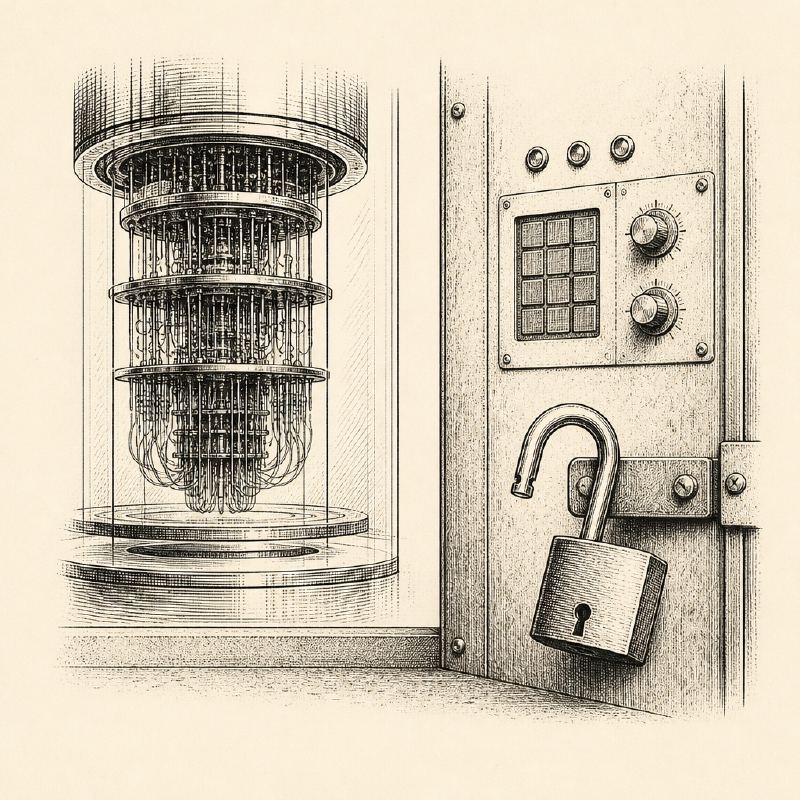
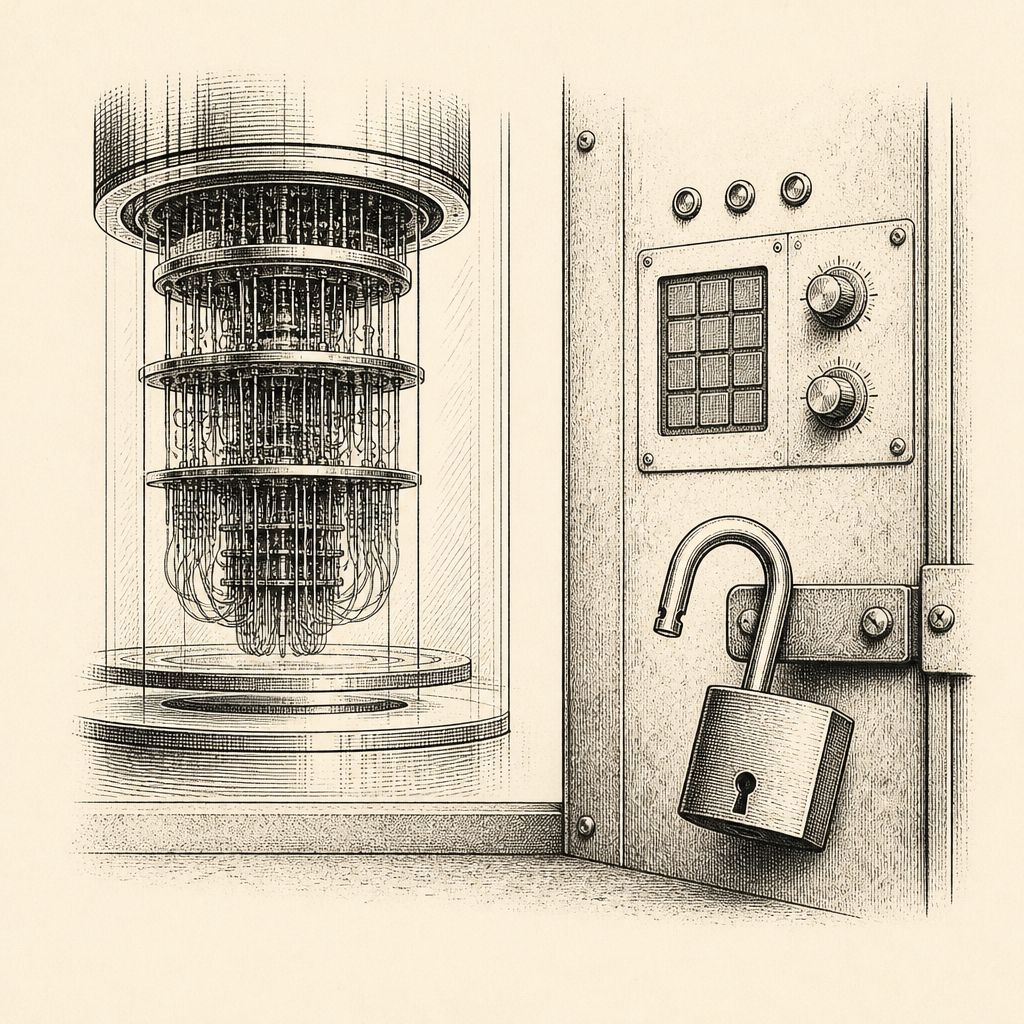
In a stark reminder that "the future is now" often means present-day vulnerabilities are being exploited, attackers recently targeted refrigeration systems across nine European countries, impacting supermarkets and blood banks. The sophisticated nature of the attacks was not in breaking advanced encryption, but rather in exploiting readily available weaknesses: internet-exposed administrative interfaces, unpatched vulnerabilities, and default credentials. This incident underscores a critical disconnect in cybersecurity priorities, particularly within the operational technology (OT) sector, where foundational security gaps pose a more immediate threat than the hypothetical future threat of quantum computing decrypting current encryption standards.
The attackers gained unauthorized access not by defeating complex cryptographic algorithms, but by leveraging "open doors" – systems that should never have been accessible from the internet. The use of known vulnerabilities and default passwords meant that the strength of encryption was irrelevant. This reality contrasts sharply with the growing discourse around post-quantum cryptography (PQC), where new algorithms are being standardized and organizations are urged to begin migration. While preparation for quantum threats is essential, the immediate focus for OT environments must be on addressing these more elementary security flaws.
Operational technology systems, which manage critical infrastructure like water, electricity, and manufacturing, were often designed for a different era. Devices such as programmable logic controllers (PLCs), human-machine interfaces (HMIs), and remote terminal units (RTUs) typically have long lifecycles, often remaining in service for 10 to 20 years or more. Many of these devices have limited processing power and memory, making them ill-suited to handle the demands of modern encryption, let alone the computationally intensive requirements of post-quantum algorithms. This hardware limitation, coupled with infrequent updates and a lack of comprehensive asset inventories, creates a fertile ground for exploitation.
Assessments of OT environments frequently reveal common weaknesses: default credentials, inadequate network segmentation, insecure protocols, and missing security policies. These are not issues related to cryptographic strength but are fundamental security hygiene problems. When an OT device is accessible from the internet and can be compromised with a factory-set password, the sophistication of its encryption becomes a secondary concern. The priority must shift from preparing for future cryptographic threats to securing current systems against known attack vectors.
The traditional cybersecurity triad of confidentiality, integrity, and availability (CIA) offers a useful lens. In OT, the emphasis has historically been on availability and integrity due to uptime and safety requirements, often leaving confidentiality with less attention. While confidentiality is sometimes added to meet contractual obligations, many legacy OT devices lack the necessary processing power or upgrade paths for advanced encryption, including PQC. The long replacement cycles and rigorous validation processes for OT systems mean that migration to PQC could lag significantly behind IT, potentially by decades.
To mitigate these immediate risks, organizations must prioritize basic security measures. This includes segmenting networks to prevent lateral movement from IT to OT environments, removing unnecessary internet exposure, and rigorously changing all default credentials. Building and maintaining a complete asset inventory is also crucial, as it is impossible to secure what you do not know exists. Implementing basic OT security controls, supported by clear policies and procedures, forms the bedrock of a resilient OT security posture.
Further steps involve limiting network access for OT devices to only what is strictly necessary. Implementing robust firewalls and border gateways between IT and OT environments is essential. For legacy devices, more extreme measures like air-gapping or placing them in highly restricted network segments with limited or no outbound access can be effective. Data diodes, which allow one-way data flow, can also enhance security by preventing inbound connections.
Ultimately, the recent attacks on refrigeration systems serve as a critical wake-up call. While the long-term threat of quantum computing is real and requires strategic planning, the immediate danger to OT environments lies in the exploitation of basic security flaws. By focusing on foundational security practices—network segmentation, access control, asset management, and diligent credential hygiene—organizations can close the "open doors" and build a more robust defense against current threats, paving the way for future readiness.