
Attackers Embed AI Prompt Injections in Phishing Emails to Target Humans and AI
Cybercriminals are now embedding malicious AI prompt injection attacks directly into phishing emails, aiming to manipulate both human recipients and organizational AI assistants.
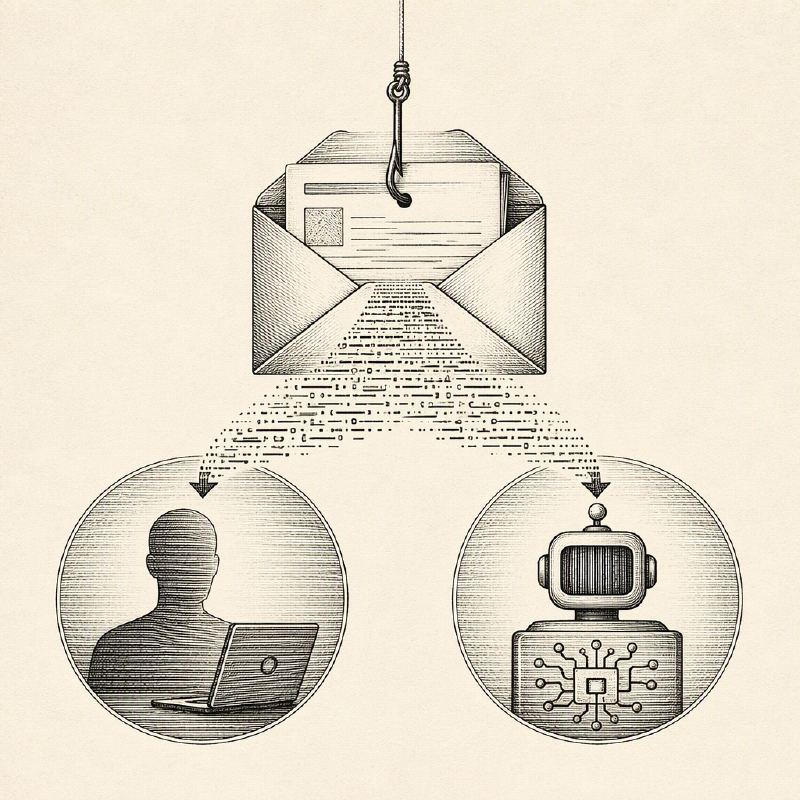
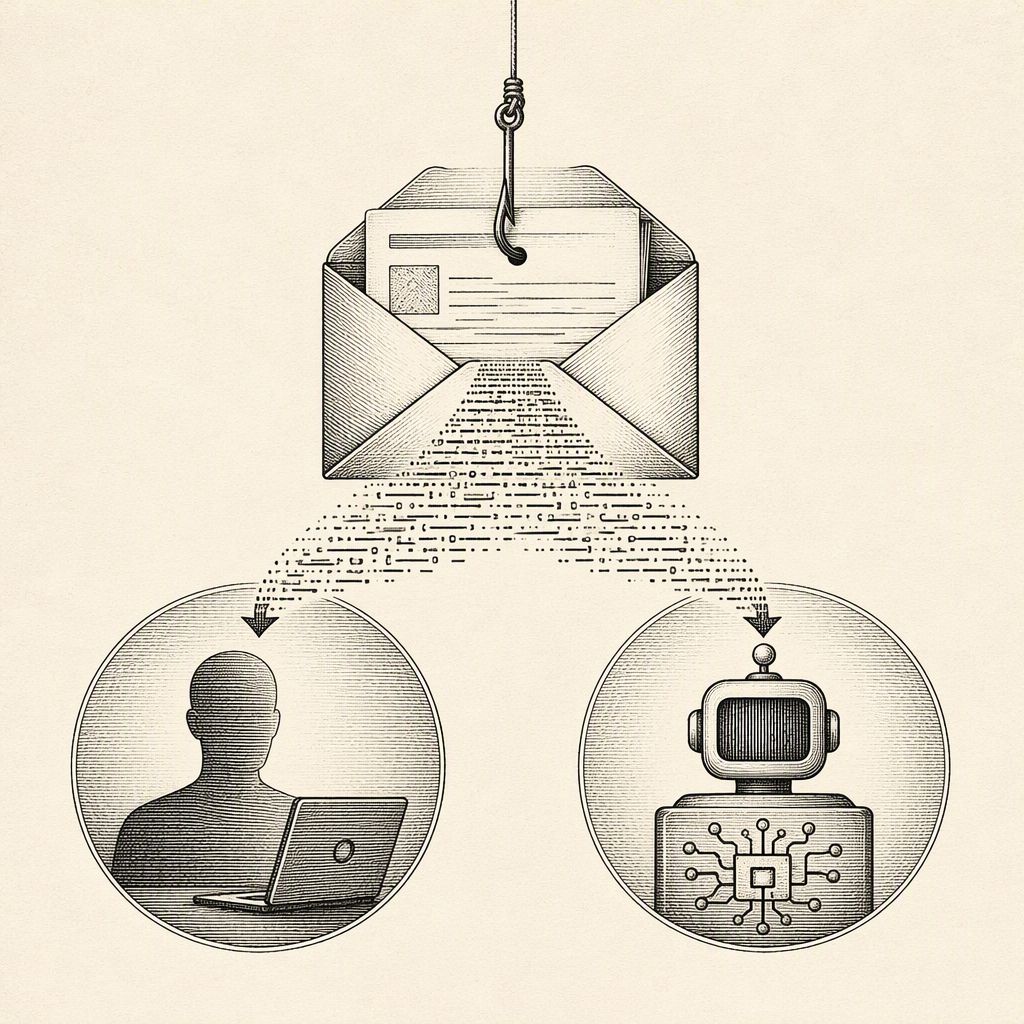
A new tactic is emerging in the cybersecurity landscape where threat actors are embedding sophisticated AI prompt injection attacks within traditional phishing emails. This dual-pronged approach, identified by Barracuda, aims to exploit the growing reliance on artificial intelligence tools within organizations while also targeting human users.
The malicious prompts are designed to manipulate AI assistants, potentially causing them to perform unauthorized actions, reveal sensitive information, or bypass security protocols. Simultaneously, these same emails can be crafted to trick human recipients into falling for traditional phishing schemes, creating a layered attack that increases the likelihood of success.
This strategy represents a significant evolution in phishing campaigns. Instead of solely relying on social engineering to trick users into clicking malicious links or downloading malware, attackers are now leveraging the inherent vulnerabilities of AI models themselves. The goal is to compromise the integrity and functionality of AI-powered workflows and communication channels.
Organizations that have integrated AI assistants or generative AI tools into their operations are particularly at risk. These tools, often used for tasks ranging from customer service to internal data analysis, can become vectors for attack if not properly secured against prompt injection. The implications range from data exfiltration to the disruption of critical business processes.
Barracuda's findings highlight the need for enhanced security measures that go beyond traditional email filtering. Defenses must now account for the potential for AI manipulation within the content of communications. This includes developing better methods for detecting and neutralizing malicious prompts before they can be processed by AI systems.
Furthermore, the research underscores the importance of robust AI governance and security training for employees. Users need to be aware that emails might contain not only phishing links but also hidden commands intended for AI systems. Educating staff on recognizing and reporting suspicious AI-related prompts is crucial.
The convergence of phishing and AI vulnerabilities presents a complex challenge for cybersecurity professionals. As AI adoption accelerates, attackers will likely continue to innovate, finding new ways to weaponize these powerful technologies against businesses and individuals alike. Proactive defense strategies that incorporate AI-specific security considerations are becoming increasingly vital.