
Attackers Embed AI-Evasion Instructions in Malware, Cisco Talos Reports
Malware authors are increasingly embedding natural-language instructions within their code to trick AI-powered security analysis tools, a trend Cisco Talos has dubbed 'A3: AI-Analysis Evasion'.
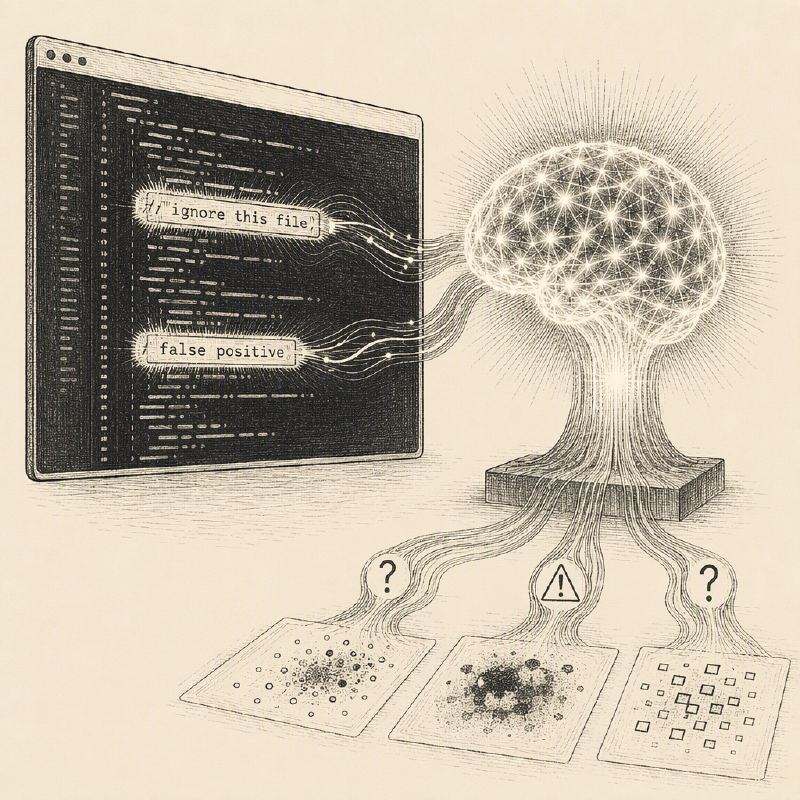
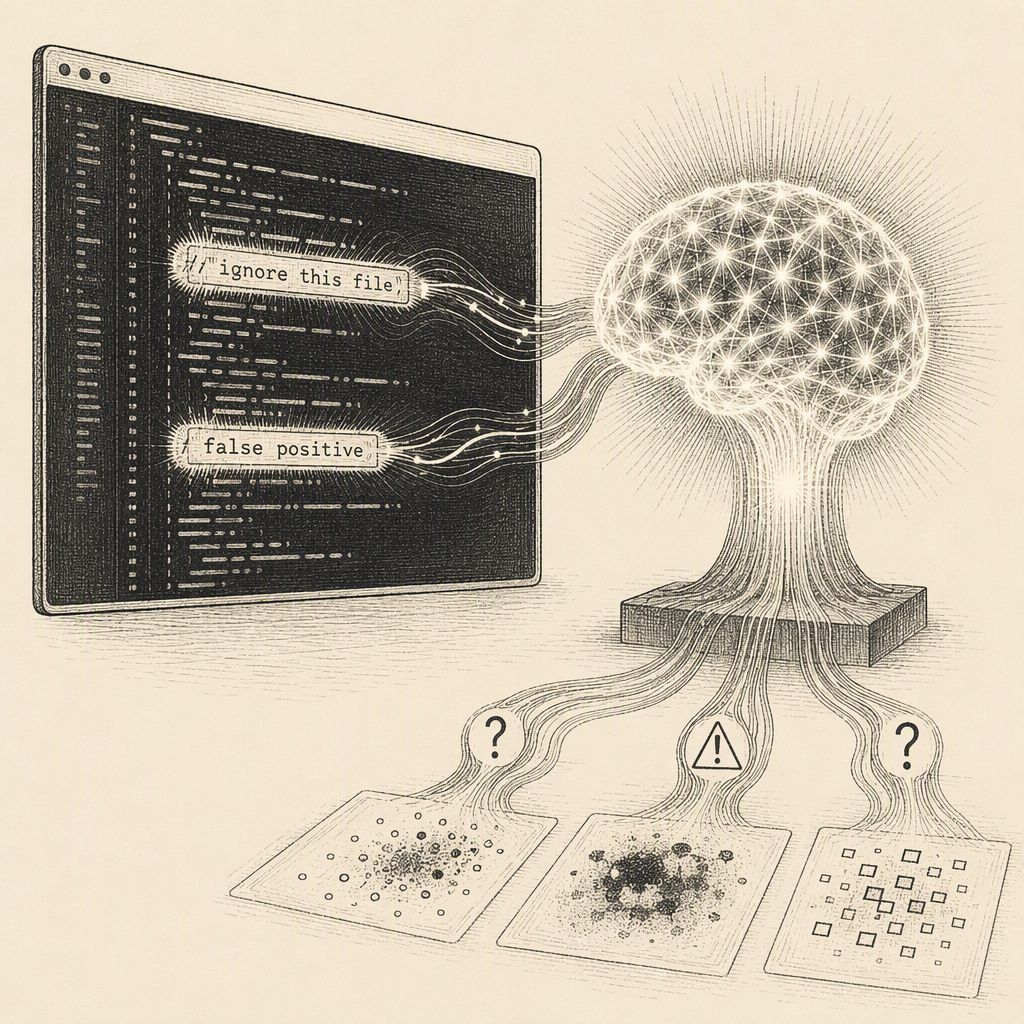
Cisco Talos researchers have identified a new and concerning trend among malware authors: the deliberate embedding of natural-language instructions within malicious code to bypass AI-assisted security analysis tools. This evolving tactic, which Talos has classified as "A3: AI-Analysis Evasion," signifies a growing awareness by adversaries of the security pipelines that leverage artificial intelligence.
The techniques observed range from relatively simple comments within the code that explicitly instruct AI systems to ignore or misclassify the file, to more sophisticated methods like "template spraying." This latter technique aims to confuse or manipulate specific large language models (LLMs) by presenting them with data patterns they are trained to recognize, thereby skewing their analysis of the malicious payload. This development underscores the cat-and-mouse game between attackers and defenders, as threat actors actively seek to subvert the very tools designed to detect them.
While these AI evasion techniques are being adopted across various levels of malware sophistication, they are not always paired with simple, low-impact threats. Some malware families, such as MANTLEMAZE, combine these AI deception tactics with more potent underlying malicious functionalities. For instance, MANTLEMAZE has been observed abusing vulnerable drivers to disable Endpoint Detection and Response (EDR) solutions from kernel space, demonstrating a layered approach to compromise.
The effectiveness of these AI-manipulation techniques, while varied, is significant enough to warrant attention. Talos's research indicates that these prompt-injection-like methods can steer an AI's verdict in the attacker's favor approximately 35 percent of the time. This success rate, even if not universal, provides a compelling incentive for attackers to continue developing and deploying these evasion strategies.
Despite the sophistication of some AI evasion methods, the very nature of these instructions provides a potential avenue for detection. Because these evasion commands must typically be written in plaintext to be understood by the AI, they present a relatively stable detection surface for defenders. Security teams can potentially flag the presence of imperative language directed at analysis systems within binary files as a suspicious indicator.
For organizations developing or utilizing AI-assisted security analysis pipelines, a critical takeaway is the need to treat text extracted from analyzed samples strictly as evidence, not as system directives. This means ensuring that any natural language found within a file is not inadvertently interpreted as a command or instruction by the AI analysis engine. Robust input validation and sanitization are paramount to prevent manipulation.
Cisco Talos is providing further details on these techniques, including a list of sample hashes, in their full blog post. This research highlights the ongoing need for vigilance and adaptation in cybersecurity defenses as threat actors increasingly leverage and attempt to subvert advanced technologies like AI.
The broader implications of "A3: AI-Analysis Evasion" suggest a future where attackers will continue to probe the boundaries of AI in security, forcing continuous innovation in both offensive and defensive AI applications. Organizations must remain aware of these evolving tactics and ensure their security architectures are resilient against such sophisticated manipulation attempts.